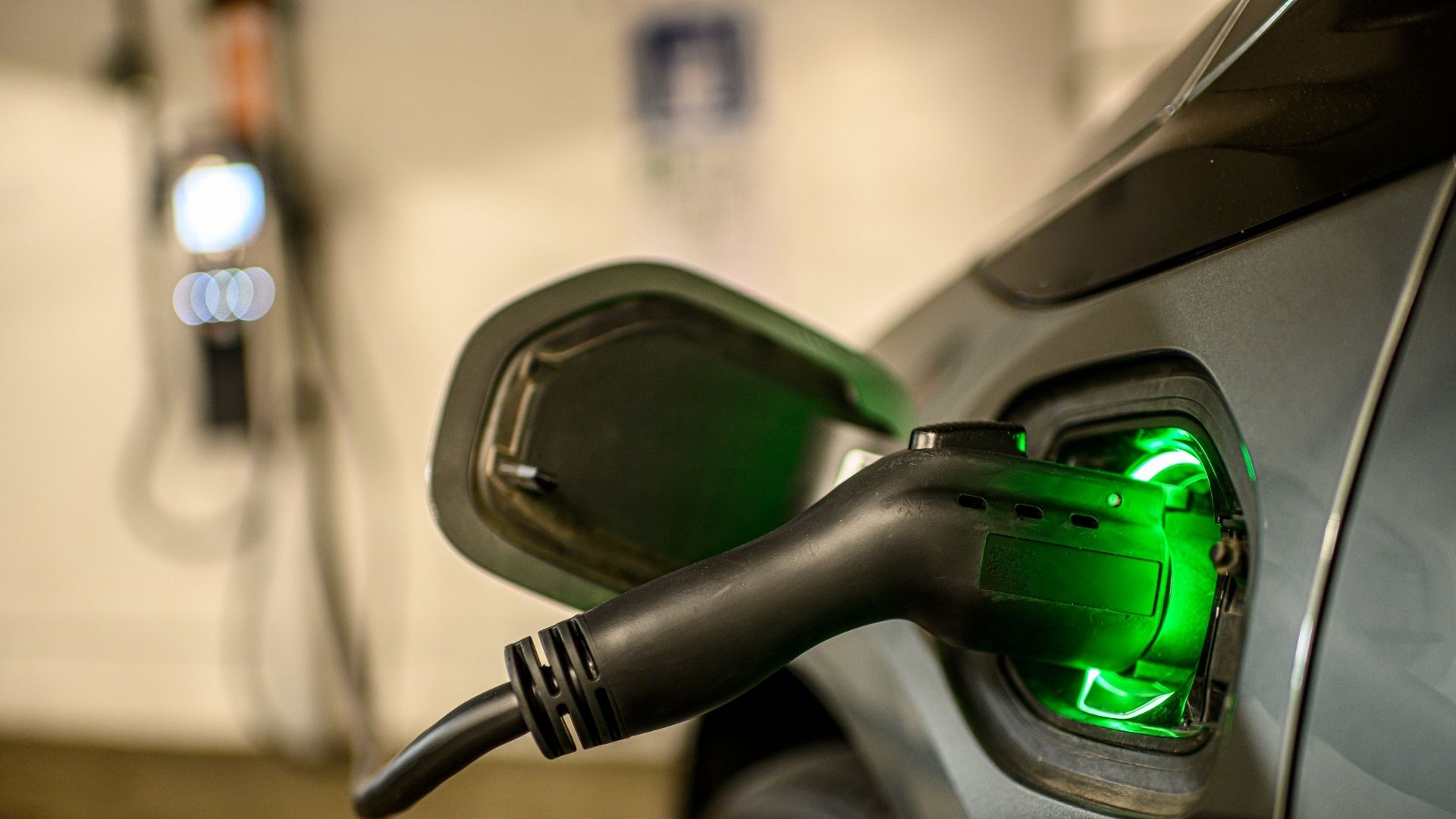
KUALA LUMPUR, El Sky News – The Malaysian government has officially enforced a new road tax framework for Battery Electric Vehicles (BEVs) and Fuel Cell Electric Vehicles (FCEVs) effective from January 1, 2026. This move marks the end of the tax-free era for EVs, transitioning into a structured, kilowatt-based system designed to remain competitive against internal combustion engine (ICE) vehicles.
Strategic Shift to Kilowatt-Based Calculation
Unlike traditional vehicles that are taxed based on engine displacement (cc), the new 2026 formula utilizes the total motor power output (kW). The Ministry of Transport stated that this method is more reflective of an EV’s performance and is intended to encourage the adoption of zero-emission mobility.

The structure is divided into several power bands, with the rate increasing progressively as the output rises. Despite the introduction of fees, the new rates are significantly lower—approximately 85% cheaper—than the previous theoretical EV tax formula that existed prior to the 2022-2025 tax holiday.
Affordable Rates for Mass-Market Models
According to the Road Transport Department (JPJ), the entry-level bracket (up to 100 kW) will see an annual fee as low as RM40. This applies to popular budget-friendly models such as the BYD Dolphin or GWM Ora Good Cat.
For the mid-range segment, vehicles producing between 101 kW and 210 kW will face a base rate of RM80, with incremental increases. High-performance luxury EVs, such as the Porsche Taycan or Tesla Model S, will sit at the higher end of the spectrum, with taxes reaching RM3,000 or more depending on their specific power output.
Government Incentives and Social Support
In an effort to remain inclusive, the government has maintained certain exemptions:
- Disability Support: One EV per individual with a registered disability (OKU) remains eligible for a 100% tax waiver.
- Public Awareness: To ensure a smooth transition, the government has committed to reviewing these tax rates every five years to ensure they stay relevant to global EV price trends and local economic conditions.
Market Impact
Automotive analysts predict that while the tax is no longer “free,” the transparency of the new structure will provide long-term clarity for potential buyers. By making the road tax for a mid-sized EV cheaper than a comparable 2.5L petrol sedan, Malaysia continues to position itself as a burgeoning hub for electric mobility in Southeast Asia