WASHINGTON, Feb 24, 2026 — As tensions between the United States and Iran continue to simmer, global analysts are assessing what a potential American military strike on Iranian targets might actually look like — and how far the US might be willing to go if it chooses to escalate militarily.
The standoff has its roots in ongoing geopolitical friction, including disputes over nuclear ambitions, regional proxy conflicts, and recent incidents involving US forces and Iranian-aligned militias. While public statements from both sides have oscillated between hardened rhetoric and diplomatic overtures, policymakers in Washington and Tehran are engaged in parallel discussions over the next possible moves.

Objectives of a Potential Strike
Experts say that if the US were to undertake military action, it would likely be limited in scope and targeted, focused on degrading specific Iranian capabilities rather than initiating full-scale war.
Potential objectives might include:
- Strikes on Iranian missile installations or air defence systems
- Targeted operations against militia infrastructure linked to attacks on US forces
- Disruption of Iranian command and control networks
- Damage to facilities tied to regional proxy support
These types of operations are designed to lower Iran’s capacity to project force without provoking a broader conflict.
Geographic Constraints
A US strike would probably avoid major urban centres and civilian-heavy areas to minimize casualties and international condemnation. Instead, analysts say military planners would pinpoint military bases, weapons depots, and logistic hubs that pose strategic threats.
Targets might be distributed across:
- Inland missile sites
- Peripheral bases used by affiliated militia groups
- Naval facilities in the Strait of Hormuz region
Precise details, however, remain classified and subject to strategic review within the Pentagon and National Security Council.
Political Considerations
Any military action carries significant political risk. In the United States, approval for strikes — particularly those that could draw extended conflict — would likely require consultation with Congress and allied nations.
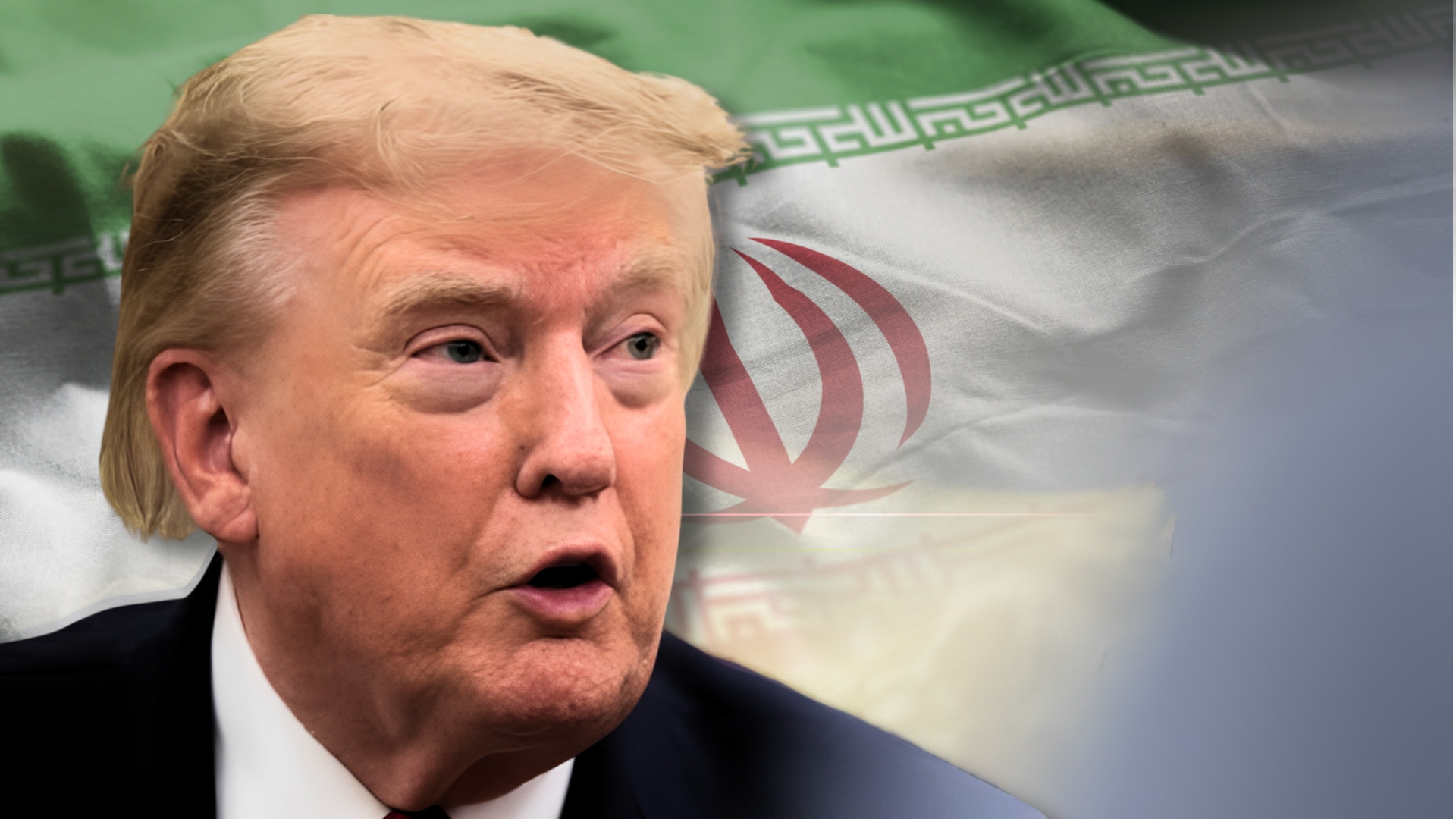
President Donald Trump has indicated a willingness to act decisively in the past but also faces domestic pressures, including concerns about prolonged military engagements overseas and budgetary constraints on defence spending.
International partners, including European NATO members and Middle Eastern allies, may also urge caution, balancing shared security interests with the fear of destabilization.
Iran’s Response Options
Iran could respond to limited US action in a variety of ways, ranging from symbolic retaliatory strikes to more aggressive asymmetrical warfare tactics, potentially involving proxy forces throughout the region. Analysts caution that indirect escalation — such as attacks on shipping lanes or diplomatic targets — could create a broader security crisis even without direct confrontation.
Economic Ramifications
A military strike could have immediate economic repercussions, particularly for global oil markets. Iran sits along critical energy transit routes, and any conflict escalation risks disruptions in supply or price shocks at global pump stations.
Financial markets have already shown signs of nervousness as investors price in risk premium for geopolitical tensions — with equities, forex, and commodity markets reacting to developments in real time.
Diplomacy Still in Play
Despite talk of military options, diplomatic efforts continue behind the scenes. Back-channel negotiations and multilateral discussions with international partners suggest that peaceful resolution remains a primary goal for many governments.
Analysts argue that military action, if undertaken, would represent a calibrated step intended to achieve tactical objectives while preserving space for continued diplomacy.