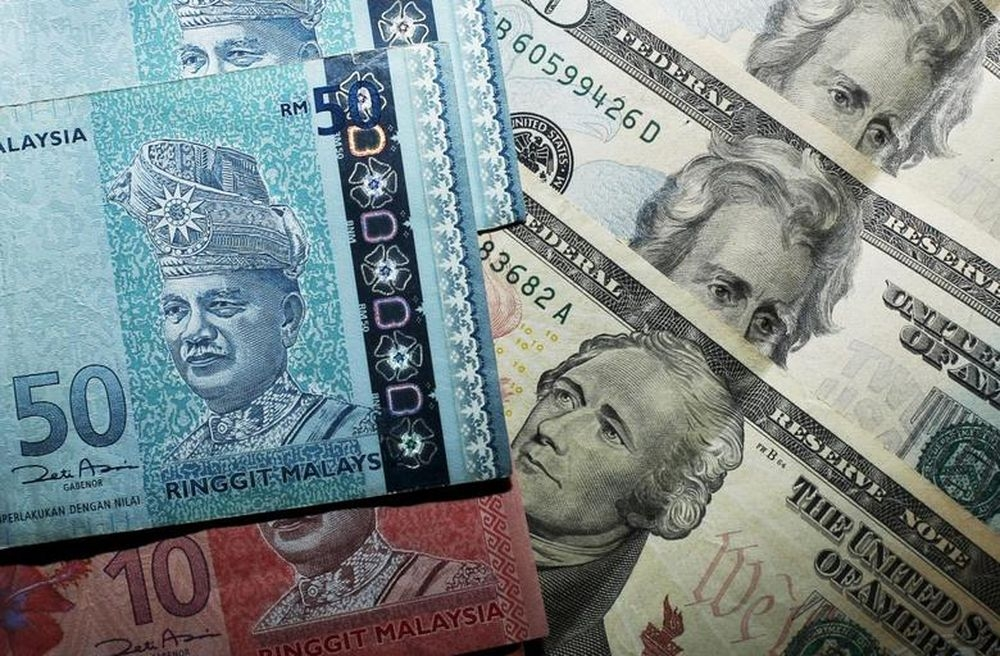
KUALA LUMPUR, March 9 — The Malaysian ringgit opened lower against the US dollar on Monday as investors turned cautious amid rising geopolitical tensions in the Gulf region and a sharp surge in global oil prices.
At 8am, the local currency slipped to 3.9550/9800 against the US dollar, compared with 3.9425/9535 at Friday’s close, reflecting growing risk aversion in global financial markets.

Market analysts said the strengthening of the US dollar is largely driven by geopolitical developments and surging crude oil prices following the escalation of the Middle East crisis.
Oil Prices Surge Above US$100
Bank Muamalat Malaysia Bhd chief economist Dr Mohd Afzanizam Abdul Rashid said the sharp rise in oil prices has significantly influenced currency markets.
According to him, Brent crude oil jumped 15.5 per cent to US$107.04 per barrel, while prices surged about 37.7 per cent from US$77.74 a week earlier amid escalating tensions in the Gulf region.
The spike in oil prices has been linked to the intensifying geopolitical situation in the Middle East, which has raised concerns about potential disruptions to global energy supply routes.
Global markets have reacted strongly to the conflict, with crude prices rising above US$100 per barrel and investors shifting towards safe-haven assets such as the US dollar.
US Dollar Gains on Safe-Haven Demand
The US dollar strengthened as investors sought safer assets during periods of geopolitical uncertainty.
Data showed that the US Dollar Index (DXY) rose 0.52 per cent to 99.496 points, reflecting stronger demand for the greenback as global investors reduce exposure to riskier currencies and emerging markets.
Analysts noted that during periods of global instability — particularly when conflicts threaten key energy routes — the US dollar often benefits due to its status as the world’s primary reserve currency.
The current geopolitical environment has therefore boosted the greenback while pressuring currencies in developing economies, including Malaysia.
Emerging Market Currencies Under Pressure
Mohd Afzanizam said emerging market currencies are expected to remain under pressure in the near term as financial markets react to ongoing geopolitical risks.
“Emerging market currencies, including the ringgit, are likely to remain weak in the near term amid fragile market sentiment,” he said.
The uncertainty has also been amplified by concerns that the conflict could disrupt global oil supply routes, including shipping lanes in the Gulf region that are crucial for energy exports.
If tensions escalate further, analysts warn that volatility in currency markets could intensify.
Broader Impact on Global Markets
The geopolitical tensions have already sent shockwaves across global financial markets.
Rising oil prices have triggered fears of inflationary pressure and slower economic growth, while stock markets in several countries have experienced sharp fluctuations.
Higher energy prices could also complicate monetary policy decisions for central banks worldwide, especially if inflation accelerates due to supply disruptions.
For Malaysia, which is closely integrated with global trade and financial markets, these developments can quickly affect currency movements and investor sentiment.
Outlook for the Ringgit
Despite the short-term weakness, analysts say the ringgit’s movement will largely depend on developments in the Middle East conflict and global oil prices.
If geopolitical tensions ease and oil prices stabilise, the local currency could regain some ground against the US dollar.
However, if the conflict intensifies or energy prices continue climbing, market volatility may persist, keeping the ringgit under pressure in the near term.