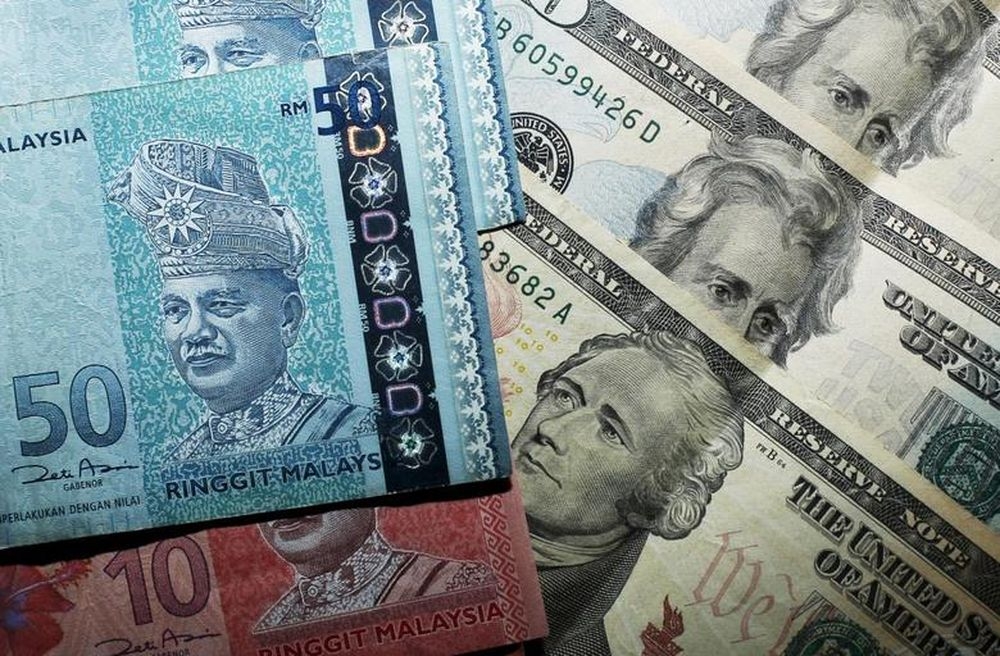
KUALA LUMPUR, March 25 — The Malaysian ringgit weakened against the US dollar and other major currencies at the close of trading on Wednesday as investors continued to adopt a cautious stance while awaiting clearer signs of a de‑escalation in the ongoing Iran war.
At 6 pm, the local currency eased to 3.9620/9670 against the US dollar, compared with 3.9530/9585 at Tuesday’s close, highlighting a slight depreciation amid risk‑off sentiment in financial markets.

Market participants attributed the ringgit’s weaker performance to persistent uncertainty surrounding the geopolitical situation in the Middle East — particularly the conflict involving the United States and Iran — which has continued to influence global currency and asset markets. Investors have been closely monitoring developments and reaction from both sides, but clear evidence of diplomatic progress has thus far been limited.
Global financial markets have shown sensitivity to the conflict in recent weeks, with currencies, equities and commodities reacting to shifting expectations about both the war’s course and its potential impact on global energy supply chains. Recent reports indicated mixed signals from discussions between Washington and Tehran, leading to a cautious mood among currency traders and investors.
The US dollar index, a key indicator of the greenback’s strength relative to other major currencies, has also shown resilience amid ongoing risk aversion, further putting pressure on emerging market currencies such as the ringgit.
In addition to geopolitical factors, currency markets are also influenced by broader macroeconomic expectations, including outlooks for interest rates in major economies like the United States. These dynamics can drive capital flows and shape investor preferences for safe‑haven assets like the US dollar in periods of uncertainty.
Analysts say that until there are clearer signs of de‑escalation in the Iran conflict or a definitive shift in market sentiment, emerging market currencies — including the ringgit — may continue to experience volatility in response to global developments.
For Malaysian businesses and consumers, a weaker ringgit typically means higher costs for imports priced in US dollars, including fuel and other imported goods. However, some economists also note that moderate currency weakness can make Malaysian exports more competitive in international markets.
Overall, currency traders will likely continue watching geopolitical headlines, central bank policy signals, and economic data releases for cues on the ringgit’s near‑term direction as global uncertainty persists.