KUALA LUMPUR, April, 2026 — Inflation in the United States surged sharply in March, driven largely by soaring fuel prices linked to escalating tensions in the Middle East, highlighting how geopolitical conflicts can quickly ripple through the global economy.
According to new data from the U.S. Bureau of Labor Statistics, the annual inflation rate rose to 3.3 percent in March, up from 2.4 percent in February, marking the highest level in nearly two years.
The surge was fueled primarily by a dramatic jump in gasoline prices, which increased 21.2 percent between February and March—the largest monthly rise recorded since the government began tracking the index in 1967.
The spike follows the escalation of the Iran–Israel conflict, which disrupted global energy markets after shipping through the Strait of Hormuz, a key route for about one-fifth of the world’s oil supply, was severely affected.
Despite being one of the world’s largest oil producers, the United States has not been immune to the global price shock. Average gasoline prices climbed to about US$4.15 per gallon, compared with roughly US$3 before the conflict intensified.
The sharp increase in fuel costs has placed renewed pressure on American households, particularly middle- and lower-income families already dealing with elevated living costs.
Economists warn that the surge in energy prices could also push up costs across several sectors, including transportation, shipping, and travel, potentially creating broader inflationary pressures in the coming months.
Consumer sentiment has already weakened as Americans brace for higher prices on everyday goods and services. Some analysts estimate the recent surge in energy costs alone could add at least US$350 in annual expenses for the average household
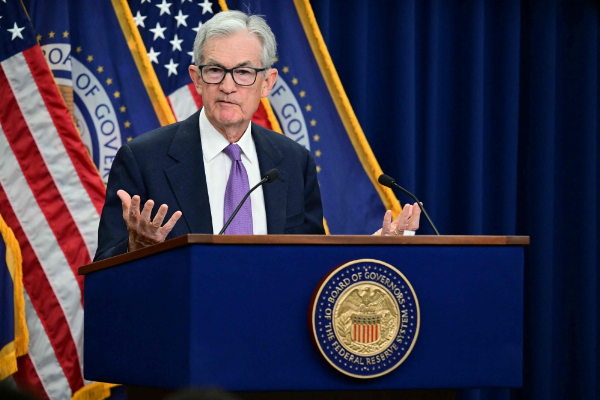
The latest inflation data presents a difficult challenge for policymakers. The U.S. Federal Reserve, which aims to keep inflation around 2 percent, may now face a tougher path toward stabilizing prices if energy markets remain volatile.
At the same time, geopolitical tensions continue to complicate economic planning, with analysts warning that prolonged disruptions to oil supply routes could sustain higher inflation well into the coming monthsWhile geopolitical conflicts are difficult to control economically, several steps could help limit the impact on consumers:
• Strategic oil reserves could be used more actively to stabilize domestic fuel supplies.
• Energy diversification, including renewables and domestic production, could reduce vulnerability to global shocks.
International diplomacy aimed at restoring stability in major energy transit routes such as the Strait of Hormuz could help calm markets.
• Ultimately, the situation underscores how deeply interconnected global politics and economic stability have become. Even distant conflicts can rapidly influence everyday costs for households thousands of miles away
US Inflation Jumps as Fuel Prices Spike During Iran–Israel Conflict