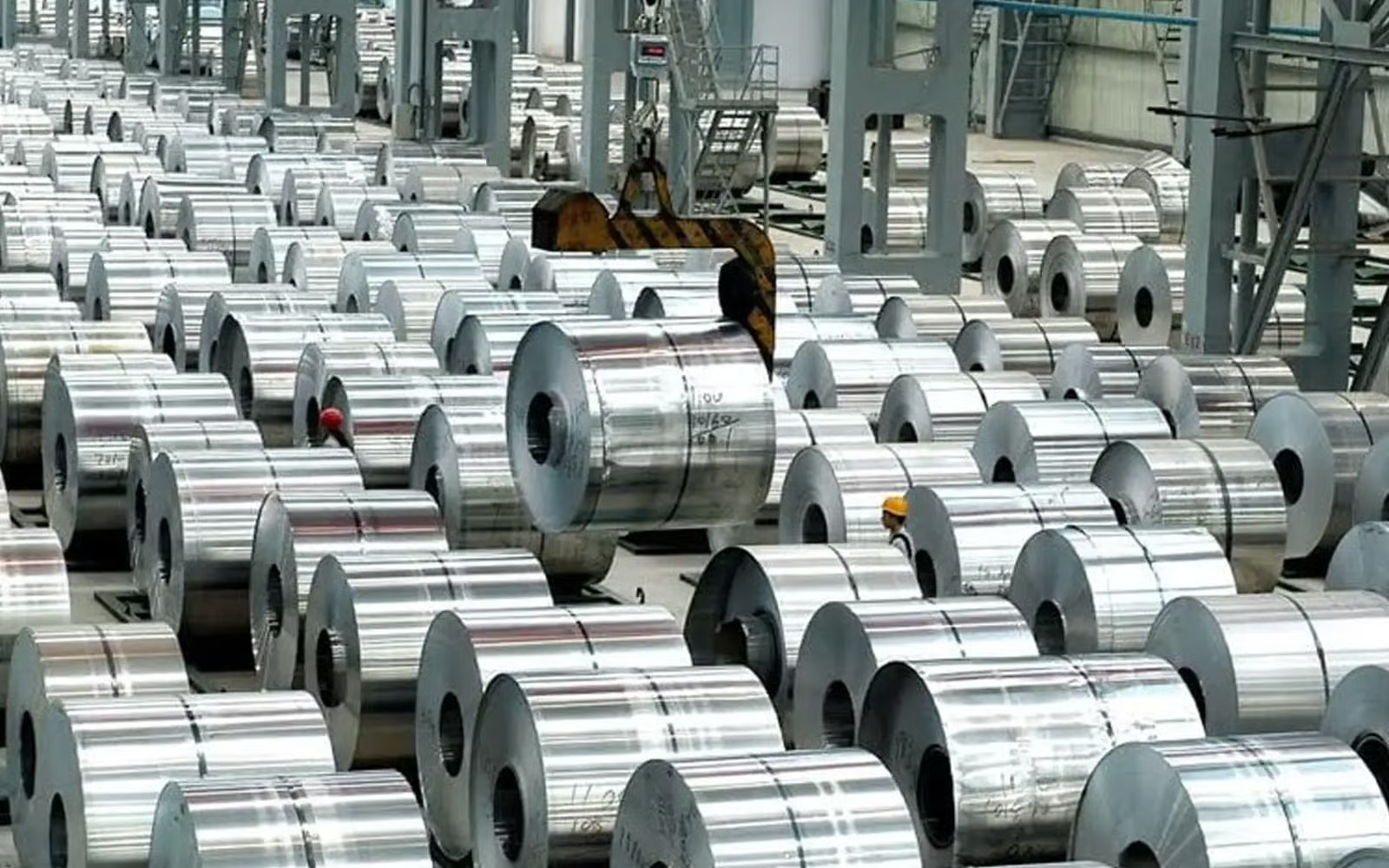
China is adjusting its industrial output strategy by cutting fuel refining rates while boosting aluminum-related production activity, as a major supply shock in the Gulf continues to disrupt global energy and commodities markets.
The shift comes amid ongoing instability in the Strait of Hormuz, a critical global energy corridor, where conflict-related disruptions have constrained crude oil flows and tightened supply chains across Asia and Europe.

Chinese refiners have reportedly reduced crude processing rates in recent weeks as they attempt to manage tighter imported supply conditions and rising transportation costs linked to the Gulf crisis.
According to market data, processing activity in China’s refining sector has declined as companies adopt a more cautious approach to crude consumption, prioritizing inventory management over expansion.
The reduction reflects broader concerns over:
- Disrupted crude shipments from the Middle East
- Rising freight and insurance costs
- Volatile global oil prices
- Uncertainty in long-term energy supply stability
At the same time, China’s metals sector—particularly aluminum—has seen increased production incentives, driven by global supply disruptions and rising international prices.
The Gulf conflict has significantly impacted global aluminum supply chains, as the Middle East accounts for a notable share of global output. With production constraints emerging in key exporting regions, international buyers have turned to China as an alternative supplier.
Market analysts note that:
- Global aluminum premiums have widened
- Demand for Chinese semi-finished metals has increased
- Export opportunities are expanding due to supply shortages elsewhere
This has created a favorable environment for Chinese producers despite broader economic uncertainty.
The ongoing disruption in the Strait of Hormuz has triggered widespread instability across global commodities, affecting:
- Crude oil supply flows
- Natural gas shipments
- Industrial metals, including aluminum
- Fertilizer and chemical supply chains
The region is responsible for a significant share of global energy exports, meaning even partial disruptions have a cascading impact on global pricing and supply security.
The supply shock has led to sharp fluctuations in global energy markets, forcing major import-dependent economies like China to adjust industrial strategies.
Key impacts include:
- Higher oil and fuel price volatility
- Increased shipping and logistics costs
- Pressure on downstream manufacturing sectors
- Shifts in global trade flows for metals and energy
China’s dual response—reducing fuel processing while expanding metals output—reflects an effort to balance energy security with export-driven industrial growth.
Despite domestic energy constraints, Chinese aluminum exporters are benefiting from global shortages.
With demand rising in automotive, packaging, and construction sectors, China’s position as the world’s largest aluminum producer has strengthened.
Analysts expect:
- Continued increase in aluminum exports
- Higher utilization of existing smelting capacity
- Stronger price premiums in international markets
The evolving situation underscores a wider transformation in global supply chains:
- Energy insecurity is accelerating industrial realignment
- Commodity-producing nations are adjusting output strategies
- Trade flows are shifting toward more stable supply hubs
Economists warn that prolonged disruption in the Gulf could deepen inflationary pressure globally, particularly in energy-importing economies.
China’s simultaneous reduction in fuel output and expansion in aluminum production highlights the growing complexity of global commodity markets shaped by geopolitical risk.
If the Gulf supply shock persists, analysts expect continued volatility across energy and metals sectors, with China likely to remain a central stabilizing exporter of industrial materials while managing tighter domestic energy conditions.