Kuala Lumpur – China’s economy expanded by 5% in the first quarter of 2026 compared to a year earlier, surpassing economists’ forecasts of around 4.8%.
The stronger-than-expected growth marks a rebound from the previous quarter’s weaker 4.5% expansion. It comes as the first official GDP data release since Beijing lowered its full-year growth target to a range of 4.5% to 5% last month — the lowest annual target since 1991.

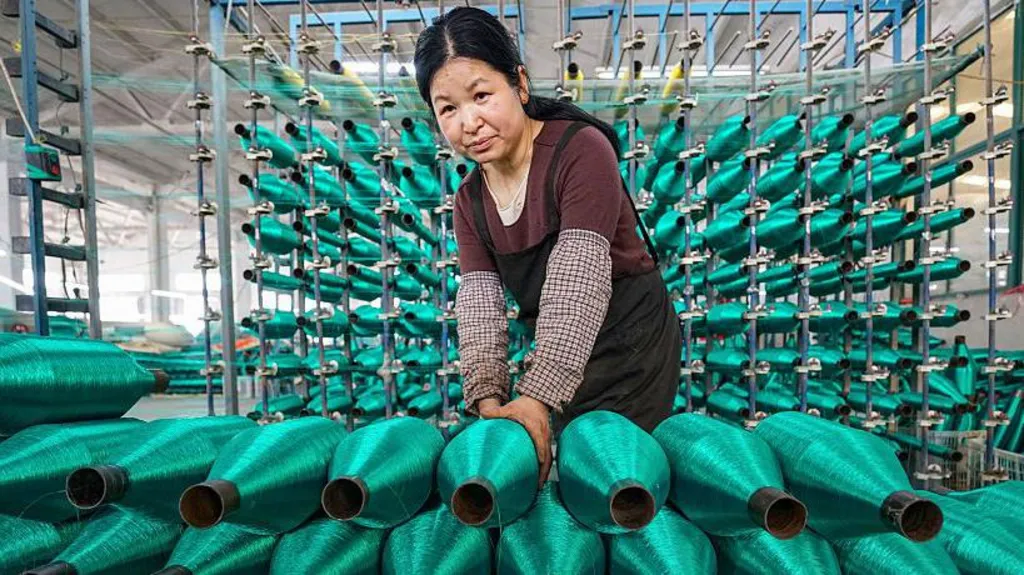
Analysts noted that the rebound was mainly driven by the manufacturing sector. Exports of cars and other goods proved to be a “major bright spot,” according to Kyle Chan, an analyst at the Brookings Institution.
However, the economy continues to face headwinds from declining property investment, weak domestic consumption, and a shrinking population.
Trade figures for March painted a mixed picture. Export growth slowed sharply to just 2.5% year-on-year — the lowest in six months. In contrast, imports surged by nearly 28%, pushing China’s monthly trade surplus down to just over $50 billion, the lowest level in more than a year.
The slowdown is partly linked to the ongoing conflict in the Middle East, which began on 28 February. The war has severely disrupted global energy supplies, driving up crude oil and raw material prices and hitting Asian economies particularly hard. Higher fuel costs have already affected Chinese consumers and airlines.
“The full impact of the Iran war is yet to be fully felt,” said Kyle Chan. “We are likely to see a weaker GDP figure in the second quarter due to trade disruptions.”
Yixiao Zhou, an economics lecturer at the Australian National University, added that sustaining high export growth is difficult in the long run, as it depends on the economic health of China’s trading partners.
Under the leadership of the Communist Party, China is shifting its economic model by pouring investments into innovation, high-tech industries, and measures to boost domestic spending in an effort to counter weak consumption and the prolonged property crisis.
Externally, China also faces a 10% US tariff on most goods, with potential further increases. US President Donald Trump and Chinese President Xi Jinping are scheduled to meet in China next month.