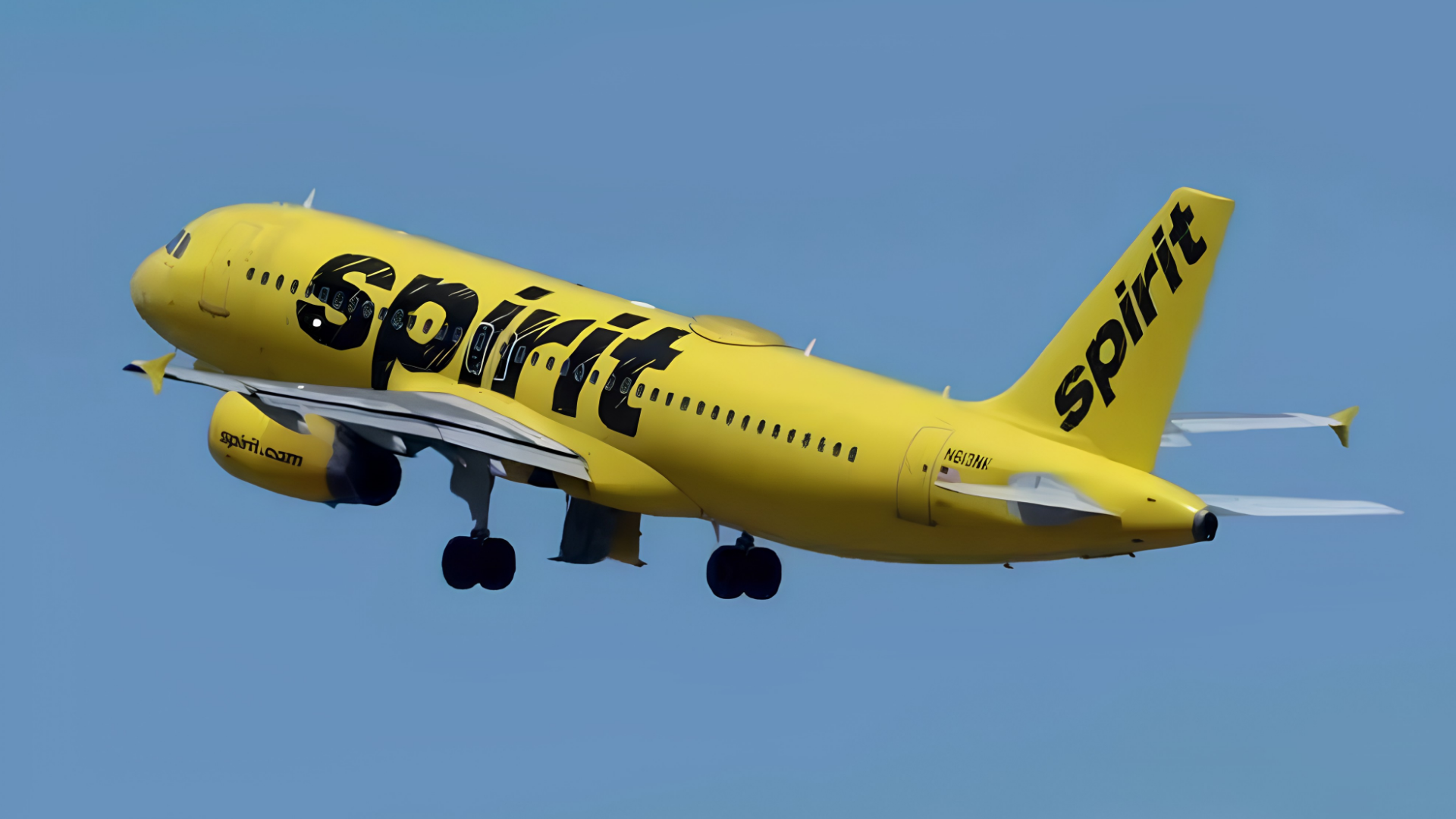
KUALA LUMPUR,May, 2026 — Spirit Airlines has officially ceased all operations after 34 years in service, following a deep financial collapse driven by soaring fuel costs, mounting debt, and failed rescue negotiations. The shutdown marks a major turning point for the US aviation industry, particularly for low-cost carriers struggling to survive in an increasingly expensive operating environment.
The airline, once a pioneer in ultra-low-cost travel across the United States, the Caribbean, and Latin America, confirmed that all flights have been cancelled and operations are shutting down immediately. Passengers were advised not to travel to airports, as the company entered an “orderly wind-down” process.

Fuel Crisis at the Center of Collapse
Industry analysts say the primary factor behind Spirit’s downfall was the dramatic rise in jet fuel prices, which doubled in recent months due to global supply disruptions and geopolitical tensions.
According to aviation data:
- Fuel costs surged from around $2.24 per gallon to over $4.50 per gallon
- Fuel expenses make up nearly 25% of airline operating costs
- Spirit’s low-cost business model left it highly vulnerable to price spikes
This sudden increase in operating costs severely damaged the airline’s restructuring plan, which was already under pressure due to heavy debt and weak profitability.
Failed Rescue Efforts and Bankruptcy Struggles
Spirit had been attempting to recover from two previous bankruptcy filings (2024 and 2025), with a restructuring plan aimed at reducing debt and stabilizing operations. However, the airline failed to secure sufficient funding or investor support.
A proposed $500 million bailout package was discussed but ultimately collapsed due to disagreements between creditors and government stakeholders. Without fresh capital, the airline ran out of liquidity and was forced to shut down.
Mass Disruption for Passengers and Employees
The shutdown has triggered widespread disruption across the US aviation network:
- Over 17,000 employees affected
- Thousands of flights cancelled immediately
- Passengers stranded across domestic and international airports
- Automatic refund processes initiated for affected travelers
Competing airlines have stepped in to offer limited assistance, including discounted “rescue fares” for stranded Spirit passengers.
Industry-Wide Impact on US Aviation
The collapse of Spirit Airlines is expected to have ripple effects across the entire aviation sector. As one of the largest ultra-low-cost carriers, Spirit played a major role in keeping budget travel accessible in the US.
Experts warn that its exit from the market could lead to:
- Higher airfare prices on domestic routes
- Reduced competition among budget airlines
- Increased financial pressure on remaining low-cost carriers
- Consolidation in the airline industry
The crisis also underscores how vulnerable smaller airlines are to sudden fuel price shocks.
Fuel Prices Reshaping Global Aviation
The broader aviation industry is currently facing one of its most difficult periods in years, as rising fuel costs continue to strain operations worldwide. Budget airlines, in particular, are being hit the hardest due to their thin profit margins and high sensitivity to operating costs.
Analysts say the situation reflects a structural shift in global aviation economics, where fuel volatility and geopolitical instability are becoming defining risks for airlines.
A Major Turning Point for Budget Travel
Spirit Airlines’ collapse signals the end of an era for ultra-low-cost air travel in its current form. While demand for affordable flights remains strong, airlines may need to rethink pricing strategies, fleet management, and long-term sustainability models.
The industry now faces a critical question: whether low-cost air travel can survive in a world of persistently high fuel prices.