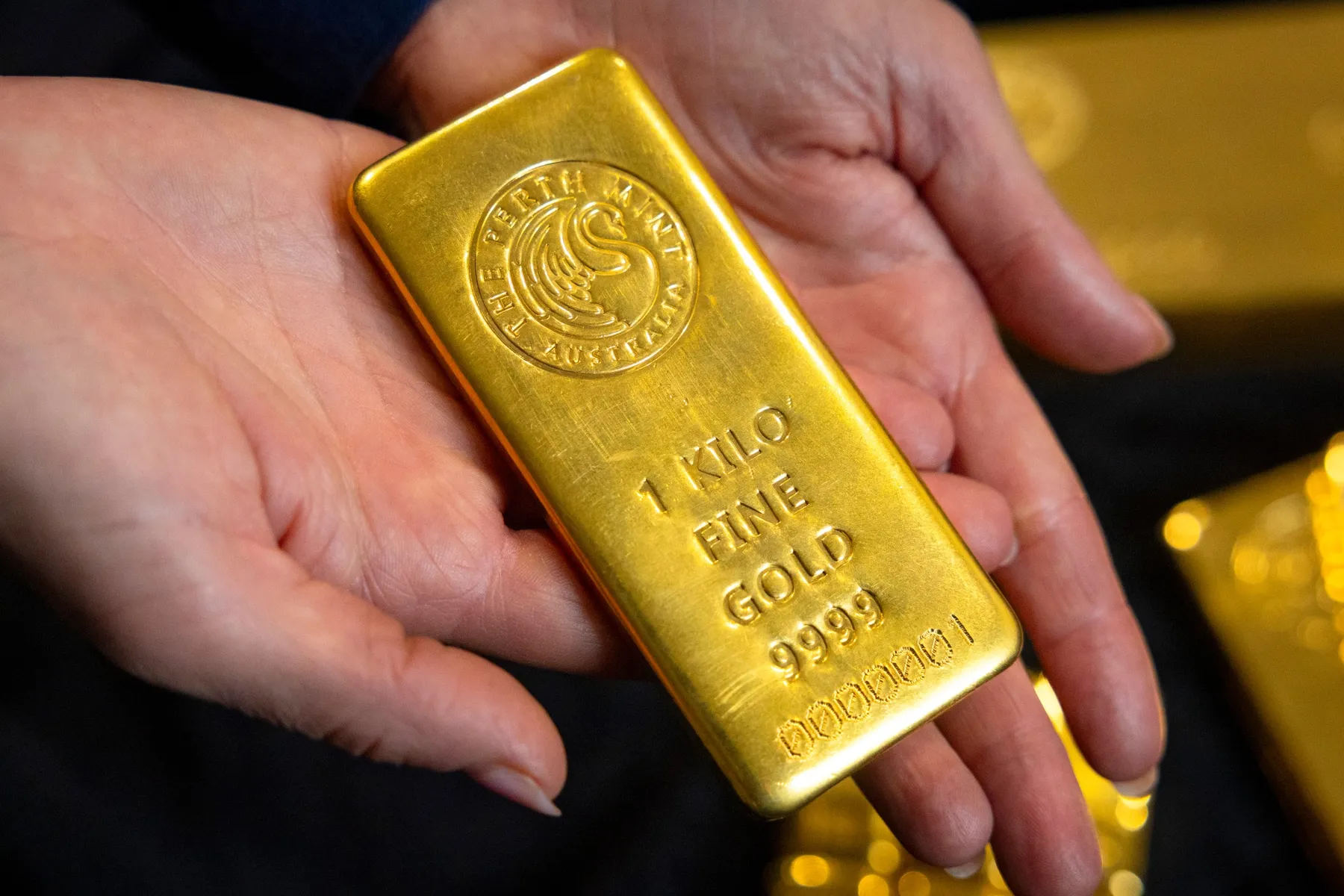
KUALA LUMPUR,May, 2026 — Global gold prices moved lower on Monday after renewed tensions between the United States and Iran increased concerns about inflation, following President Donald Trump’s rejection of Tehran’s latest peace proposal. The development triggered fresh volatility across commodity and financial markets. Gold prices dropped as investors reacted to the possibility of prolonged geopolitical instability and rising energy costs.
Spot gold fell by around 1.2%, while US gold futures also recorded losses during early trading, reflecting pressure from a stronger US dollar and growing expectations that interest rates may remain elevated for longer.

Trump’s Rejection of Iran Proposal Sparks Market Reaction
The decline in gold prices came shortly after Trump publicly dismissed Iran’s latest peace terms, calling them “totally unacceptable” and signaling little immediate progress toward easing tensions in the Middle East. The failed diplomatic momentum increased fears of prolonged instability around the Strait of Hormuz, a vital global oil shipping route.
Markets responded quickly, with oil prices surging due to fears of supply disruptions. Brent crude climbed above US$105 per barrel, while US crude also posted strong gains as investors priced in geopolitical risks.
Gold Fell Despite Rising Global Tensions
Although gold is traditionally viewed as a safe-haven asset during geopolitical crises, analysts say the current market environment is being driven more by inflation fears than panic buying.
Higher oil prices resulting from US–Iran tensions are increasing expectations that inflation may remain elevated globally. This, in turn, reduces the likelihood of aggressive interest rate cuts by the US Federal Reserve, making interest-bearing assets and the US dollar more attractive than gold.
Because gold does not generate interest or yield, higher interest rate expectations often weaken investor appetite for bullion.
Stronger US Dollar Adds Pressure on Bullion
Another major factor behind gold’s decline is the strengthening of the US dollar, which gained momentum as investors shifted toward dollar-denominated assets amid uncertainty.
A stronger dollar makes gold more expensive for foreign buyers using other currencies, often reducing international demand and putting downward pressure on prices. Market analysts noted that safe-haven flows were currently favoring the dollar more than gold.
Investors Focus on Inflation Data
Beyond geopolitical tensions, investors are also closely watching upcoming US inflation data, particularly the Consumer Price Index (CPI) report, which could heavily influence expectations surrounding future Federal Reserve policy.
Economists warn that persistently high oil prices may feed into broader inflation trends, potentially delaying any future rate cuts and continuing to weigh on precious metals markets.
Oil and Gold Moving in Opposite Directions
The current market dynamic has created an unusual situation where:
- Oil prices rise due to geopolitical risk
- The US dollar strengthens as investors seek stability
- Gold prices decline due to inflation and interest rate concerns
Analysts say this reflects a market more concerned about economic inflation pressure than immediate fear-driven safe-haven demand.
Looking ahead, gold prices are expected to remain volatile as traders continue monitoring developments surrounding US–Iran diplomacy, oil supply disruptions, and Federal Reserve policy signals.
Any signs of easing tensions could support gold if oil prices stabilize and inflation concerns fade. However, further geopolitical escalation and higher crude prices may continue to pressure bullion in the short term.
For now, investors remain cautious as global markets navigate one of the most sensitive geopolitical and economic periods of 2026.