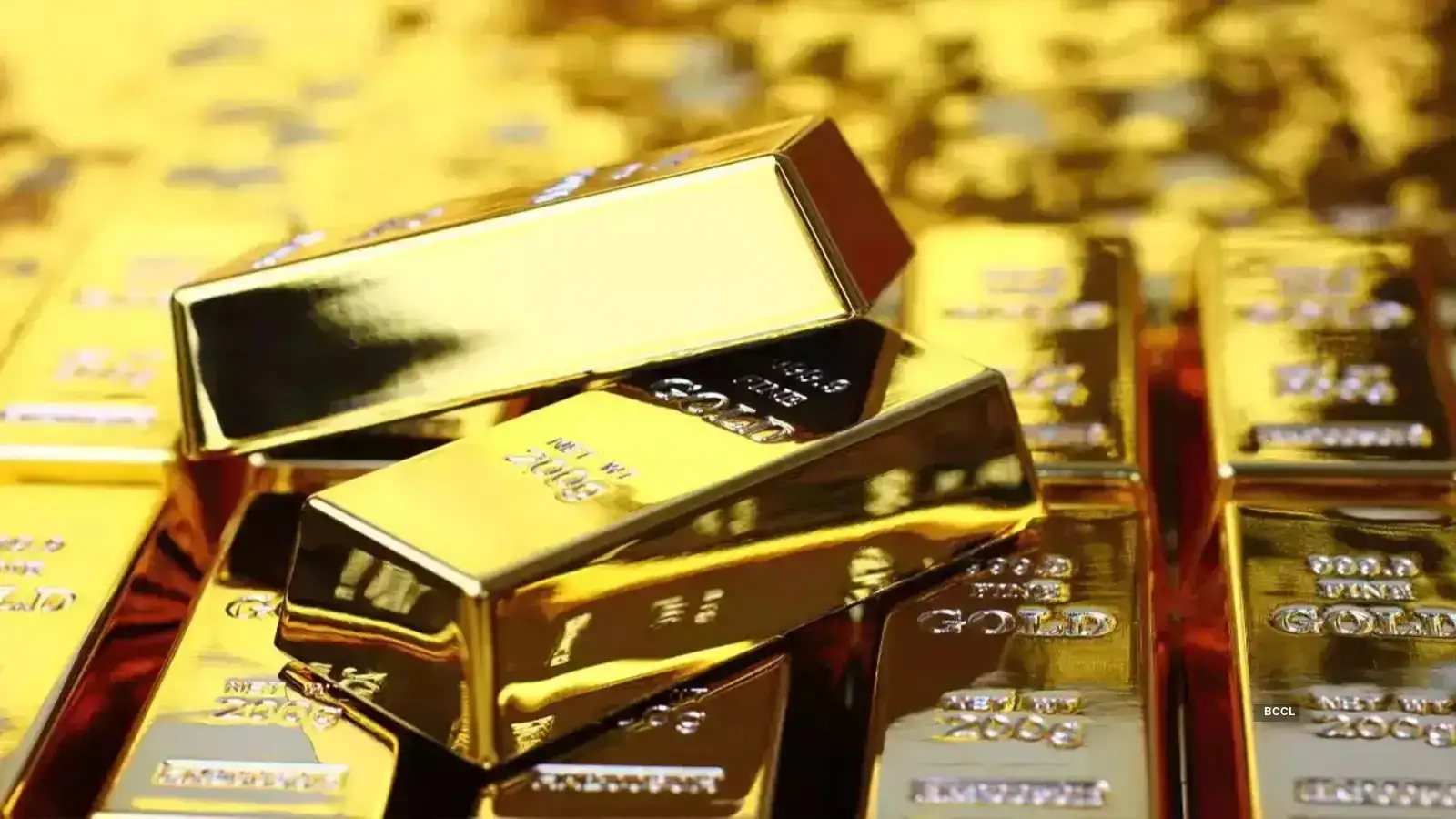
KUALA LUMPUR, May, 2026 – Gold prices headed for a weekly decline as investors reacted to stronger US inflation data, rising Treasury yields and a firmer US dollar, reducing the appeal of the non-yielding precious metal.
According to Bloomberg, bullion fell as much as 0.8% to near US$4,615 an ounce, putting gold on track for a modest weekly loss of around 2% compared with the previous Friday. The decline came as a war-driven surge in US inflation increased expectations that interest rates may remain higher for longer.

Reuters later reported that spot gold fell 0.6% to US$4,619.61 an ounce, touching its lowest level since May 6, while US gold futures for June delivery dropped 1.3% to US$4,624. Spot gold was also down about 2% for the week, reflecting pressure from inflation concerns and stronger yields.
The latest pressure on gold came after US inflation data showed renewed price increases across the economy. The US Consumer Price Index rose 3.8% over the 12 months ending April, compared with 3.3% in March, while the energy index jumped 17.9% over the same period.
Producer inflation also surprised markets. Reuters reported that the US Producer Price Index increased 1.4% in April, its largest monthly gain since March 2022, while producer prices rose 6.0% year-on-year, the biggest annual advance since December 2022.
The inflation rebound has changed market expectations over the Federal Reserve’s next policy steps. Higher inflation usually reduces the chance of interest rate cuts and can increase speculation that policymakers may keep borrowing costs elevated for longer, or even consider further tightening if price pressures remain persistent.
That environment is usually negative for gold. Unlike bonds or savings instruments, gold does not pay interest. When Treasury yields rise, investors can earn better returns from interest-bearing assets, making bullion less attractive. A stronger US dollar also pressures gold because the metal is priced in dollars, making it more expensive for buyers using other currencies.
Bloomberg noted that the dollar strengthened and 10-year Treasury yields jumped following the inflation data, both of which weighed on bullion.
Oil prices have also become a major factor behind the latest inflation concern. Reuters reported that Brent crude rose 5.6% to above US$106 per barrel, driven by worries linked to the Iran conflict and possible disruptions around the Strait of Hormuz. Higher oil prices can increase transport, production and consumer costs, feeding broader inflation pressure.
This creates a complicated situation for gold. Traditionally, gold is seen as a hedge against inflation and geopolitical uncertainty. However, when inflation also pushes interest rates and bond yields higher, gold can come under pressure because investors may prefer assets that provide income.
The market reaction shows that investors are currently focusing more on the interest rate impact of inflation than on gold’s role as an inflation hedge. In other words, the fear is not only that prices are rising, but that the Federal Reserve may have to keep policy tighter for longer to control inflation.
The US dollar’s strength added another layer of pressure. Reuters said the dollar had strengthened by more than 1% during the week, making gold more expensive for overseas buyers.
Gold’s decline also comes after a strong run earlier in the year, when investors bought bullion as a safe-haven asset during geopolitical tensions, inflation uncertainty and financial market volatility. However, the latest move suggests that high yields and dollar strength can still limit gold’s upside even during periods of global risk.
Markets are also watching diplomatic and trade developments, including discussions involving US President Donald Trump and Chinese President Xi Jinping. Reuters reported that investors were focused on the US-China summit while also monitoring inflation risks and the Federal Reserve’s policy direction.
Other precious metals also weakened alongside gold. Reuters reported that silver, platinum and palladium fell by 2.5%, 1.7% and 0.8%, respectively, showing that pressure was not limited to bullion alone.
Analysts say the near-term direction for gold will likely depend on three main factors: inflation data, Treasury yields and the US dollar. If inflation continues to rise and bond yields climb further, gold may face additional selling pressure. But if growth concerns increase or geopolitical risks worsen, safe-haven demand could return.
Another key issue is whether the Federal Reserve signals a more aggressive stance. If policymakers suggest that inflation is becoming harder to control, traders may price in a longer period of elevated interest rates. That would likely continue to weigh on gold.
However, gold may still find support from central bank demand, geopolitical uncertainty and investors looking for protection against long-term currency and debt risks. These factors have helped keep bullion elevated despite short-term corrections.
For now, the latest market movement shows that inflation is once again dominating global asset pricing. Gold remains a major safe-haven asset, but in the current environment, higher inflation is also strengthening rate-hike expectations, pushing up yields and supporting the dollar.
That combination has left bullion on track for a weekly loss, as investors reassess whether gold can keep rising while interest rate expectations move against it.