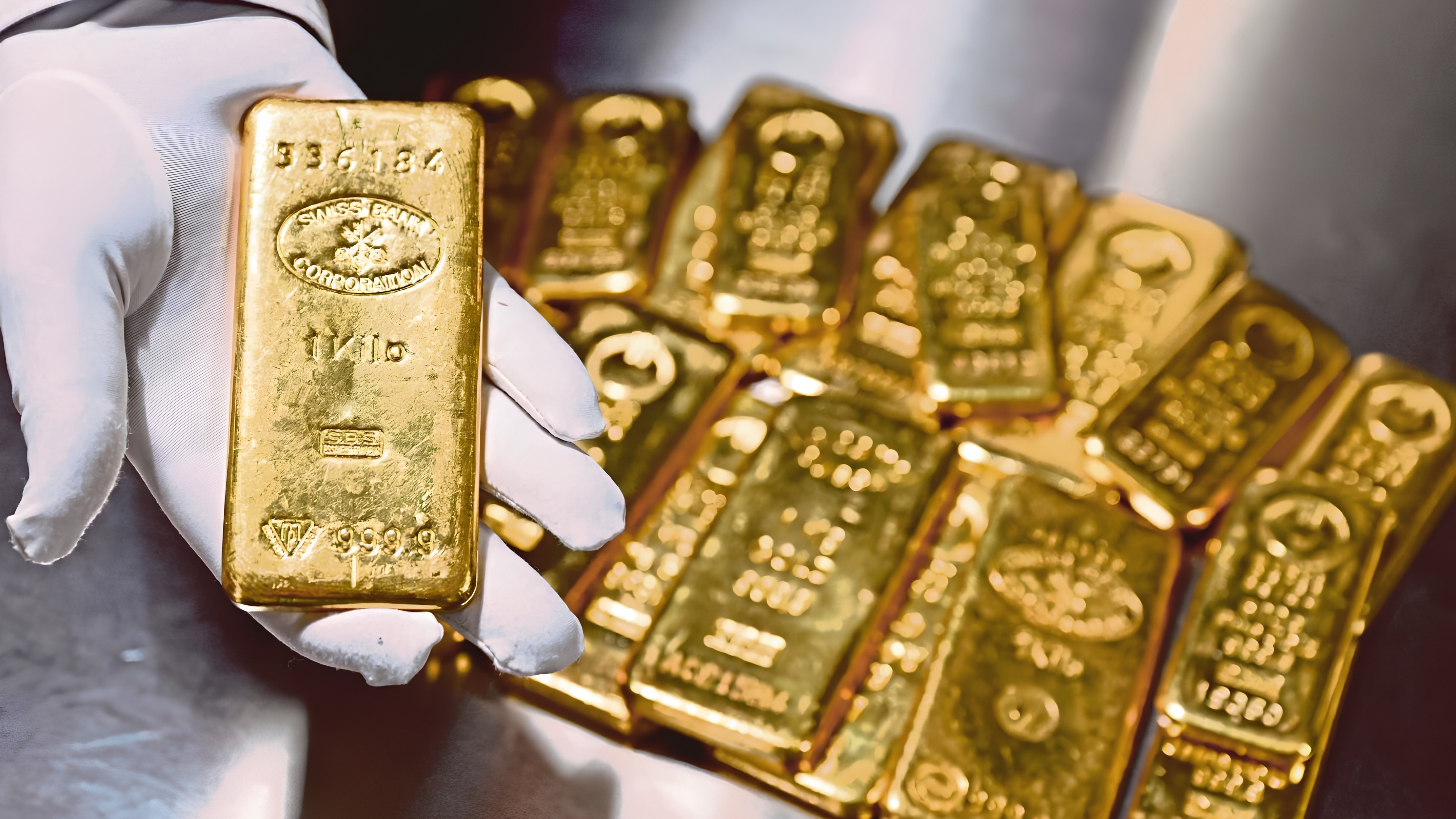
KUALA LUMPUR, May 2026 — Gold prices held losses as renewed tension between the United States and Iran weakened hopes for a quick peace deal and kept inflation risks high across global markets.
Bullion was trading near US$4,510 an ounce in early trading on Wednesday after falling 1.4% on Tuesday. The decline came as fresh clashes in the Persian Gulf raised concerns that a US-Iran agreement could take longer than expected, despite both sides previously signalling progress toward an interim deal.

The market remains focused on the Strait of Hormuz, one of the world’s most important energy shipping routes. Any disruption in the area could push oil prices higher, increasing inflation pressure and complicating the outlook for global interest rates.
Gold is usually seen as a safe-haven asset during geopolitical uncertainty. However, its appeal can weaken when inflation risks push investors to expect higher interest rates, as gold does not offer yield or interest income.
The latest movement shows how the gold market is being pulled between two opposing forces. On one side, geopolitical tension may increase demand for safe-haven assets. On the other side, higher oil prices and stronger inflation expectations may encourage central banks to keep monetary policy tighter for longer.
According to Bloomberg’s report carried by The Business Times, hostilities between US and Iranian forces near the Strait of Hormuz continued even as diplomatic officials suggested that an interim agreement could still be finalised within days. US Secretary of State Marco Rubio reportedly said any pact would likely take a few days to complete.
Despite the lack of a final agreement, investors appeared to be growing more confident that the conflict would remain contained. This helped lift risk appetite in equity markets, with traders responding positively to signs of diplomatic progress even while attacks continued.
However, analysts warned that the situation remained fragile. TD Securities analyst Ryan McKay said hopes of a US-Iran deal had offered some support, but inflation fears continued to weigh on precious metals. He added that pricing risks still appeared skewed to the downside.
Gold has dropped sharply since the conflict began in late February. Bloomberg reported that bullion had fallen around 15% since the outbreak of the three-month conflict, as traders increased bets on possible rate hikes due to higher energy prices and inflation concerns.
Higher borrowing costs are generally negative for gold because they increase the opportunity cost of holding non-yielding assets. When interest rates rise, investors may prefer assets such as bonds, deposits or money-market instruments that provide returns.
The US dollar has also played an important role in pressuring gold prices. A stronger dollar makes gold more expensive for buyers using other currencies, which can reduce demand for the precious metal.
Reuters reported on May 28 that gold prices later fell to a two-month low after fresh US attacks on Iran boosted the dollar and pushed oil prices higher. Spot gold was down 1.7% at US$4,380.62 an ounce, while US gold futures for June delivery fell 1.6% to US$4,377.10.
Oil prices also moved higher following the latest escalation. Reuters reported that oil jumped more than 3% after Iran’s Revolutionary Guards said they had targeted a US airbase in response to a US attack. Higher crude prices can feed into inflation through transport, energy, manufacturing and consumer costs.
The Federal Reserve is now facing a more complicated policy environment. Reuters reported that Fed Governor Lisa Cook said the US central bank should keep short-term interest rates steady for now, but she remained prepared to support rate hikes if needed, especially if tariffs, the Iran war and AI-related investment continue pushing prices higher.
Investors are also watching US Personal Consumption Expenditures data, a key inflation indicator used by the Federal Reserve. Stronger-than-expected inflation data could reinforce expectations that interest rates may stay elevated or even rise further.
Other precious metals also came under pressure. Reuters reported that spot silver fell 3% to US$72.37 per ounce, while platinum dropped 1.4% to US$1,890.81, with both metals touching near one-month lows. Palladium also declined 1.9% to US$1,364.26.
The broader market reaction shows that investors remain cautious despite hopes for diplomacy. A confirmed US-Iran deal could reduce pressure on oil prices, ease inflation concerns and support gold by weakening the dollar and Treasury yields. However, continued military escalation could keep gold volatile.
For now, gold traders are likely to remain focused on three main factors: progress in US-Iran negotiations, oil price movements and signals from the Federal Reserve. Any clear shift in these areas could quickly change the direction of bullion prices.
If tensions ease and oil prices fall, gold could find support from a softer dollar and lower rate expectations. But if the conflict escalates further and inflation risks rise, gold may remain under pressure as markets price in higher-for-longer interest rates.
the gold market remains highly sensitive to geopolitical headlines, especially developments involving Iran, the United States and the Strait of Hormuz. While gold continues to hold its long-term role as a defensive asset, short-term price movements are now being strongly influenced by inflation risks, oil prices and central bank expectations.