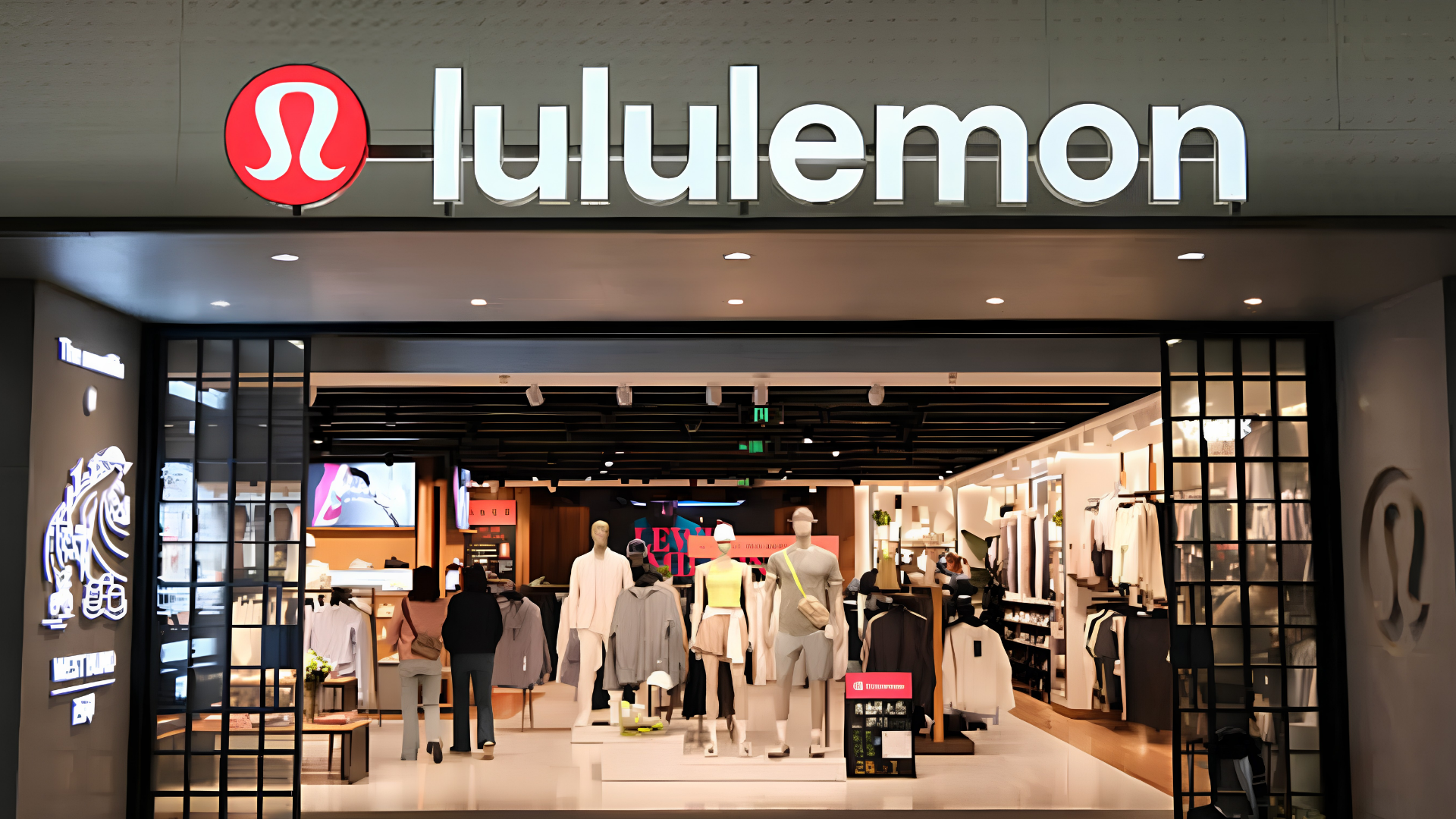
KUALA LUMPUR, June, 2026 – Lululemon Athletica’s incoming chief executive officer, Heidi O’Neill, is set to take over the yoga-wear giant at a crucial moment as the company attempts to revive its brand appeal, strengthen investor confidence and move beyond a bitter dispute with founder Chip Wilson.
O’Neill, a former senior Nike executive, will officially start as Lululemon CEO and join the company’s board on September 8, 2026, according to the company’s official announcement. She will be based in Vancouver, where Lululemon is headquartered.

Her appointment comes as Lululemon faces one of its most challenging periods in recent years. The company has been under pressure from slowing North American sales, rising competition in the athleisure market and a public dispute with Wilson, who has criticised the direction of the brand.
According to a Reuters report carried by Malay Mail, O’Neill will inherit a substantial US$1.8 billion net cash position, giving the company significant financial flexibility as it works to repair its bruised brand image and regain momentum.
The cash reserve could become a key advantage for Lululemon as it considers investments in product innovation, store experience, marketing, international expansion and efforts to reconnect with core customers. Analysts said the company still has a stronger financial position than many retail peers, despite recent weakness in its share price and brand perception.
Lululemon has also recently ended a months-long proxy battle with founder Chip Wilson, who had been pushing for changes to the company’s board and strategy. The settlement is expected to give the incoming CEO more room to focus on business recovery rather than internal conflict.
Under the agreement, Lululemon will appoint two of Wilson’s suggested board nominees, Marc Maurer, former co-CEO of On Holding, and Laura Gentile, former chief marketing officer of ESPN. A third mutually agreed director with product and brand expertise is also expected to be added by October 1.
In return, Wilson, who owns about 8.7 percent of Lululemon, agreed to a standstill and non-disparagement arrangement for 18 months. This means he will refrain from publicly criticising the company during that period and will not increase his stake.
The truce is important because Wilson’s public criticism had become a major distraction for the company. He previously argued that Lululemon had lost some of its original identity and needed to return to a stronger product-first direction.
Lululemon, however, had pushed back against some of Wilson’s views, describing them as outdated while the company tried to adjust to a changing retail landscape. The dispute added pressure at a time when investors were already concerned about sales momentum and competition.
The company’s shares have fallen sharply over the past year, with Reuters reporting that the stock had dropped nearly 60 percent over the period. That decline reflects investor concern over brand fatigue, weaker North American demand and the rise of fast-growing competitors such as Alo Yoga and Vuori.
For O’Neill, the biggest immediate challenge will be restoring confidence in Lululemon’s core business. The brand remains globally recognised, but analysts say it must regain momentum among loyal North American shoppers who once saw the company as the dominant name in premium yoga and activewear.
The athleisure market has become more crowded in recent years. Consumers now have more options, from performance-led sportswear companies to lifestyle-focused activewear brands. This has weakened Lululemon’s ability to rely only on its legacy reputation in yoga pants and technical apparel.
A return to core product strength could be one of the most important parts of the turnaround. Analysts cited by Reuters said Lululemon may need to refocus on the products that originally helped build its loyal customer base, while also improving innovation and design consistency.
At the same time, O’Neill may need to accelerate growth outside North America. China and Europe are seen as important markets where Lululemon still has room to expand. Strong international growth could help offset weakness in the company’s more mature North American business.
The company’s US$1.8 billion cash position gives it more options than many struggling retailers. It can invest in marketing, product research, store upgrades and international growth without relying heavily on debt. This financial strength may help the new CEO move faster once she officially takes control.
However, the timing of the leadership transition also creates uncertainty. O’Neill will not begin the role until September, which means major strategic changes may take time. Analysts warn that this delay gives competitors additional room to grow while Lululemon waits for its new leadership to take full command.
Another key issue is consumer perception. Lululemon built its reputation as a premium activewear brand with strong community appeal, but recent criticism suggests some shoppers may feel the brand has become less distinctive. Rebuilding emotional connection with customers will likely be just as important as improving financial performance.
The proxy fight with Wilson also raised broader questions about Lululemon’s identity. Should the company return more closely to its yoga and technical-performance roots, or should it continue expanding as a broader lifestyle and athleisure brand? O’Neill’s strategy will likely need to answer that question clearly.
Her background at Nike may be useful in this regard. O’Neill has experience in consumer, product and brand leadership, areas that are central to Lululemon’s turnaround needs. The company’s official statement described her as a proven brand builder, signalling that Lululemon wants its next chapter to focus heavily on consumer connection and product direction.
Investors will be watching closely to see whether O’Neill can stabilise the company’s North American sales and rebuild excitement around new products. Upcoming quarterly results will also be important as the market looks for signs that the business is beginning to recover.
The settlement with Wilson may help improve sentiment in the short term, but it does not solve Lululemon’s deeper challenges. The company still needs to prove that it can compete effectively against newer rivals, maintain premium pricing and bring back growth in its most important markets.
For the wider retail industry, Lululemon’s situation reflects the pressure facing once-dominant premium brands. Consumer tastes are changing quickly, competition is stronger, and social media has made it easier for newer labels to gain attention among younger shoppers.
Still, Lululemon is not without advantages. It remains a globally recognised name, has a strong balance sheet and continues to operate in a category that benefits from long-term health, wellness and fitness trends. If managed well, the brand still has room to recover.
The key question is whether O’Neill can use the company’s US$1.8 billion financial cushion to turn those advantages into renewed growth. Her challenge will be to revive product excitement, sharpen the brand message and restore investor confidence after a difficult period.
Overall, Lululemon’s new leadership chapter begins with both risk and opportunity. The end of the founder feud removes one major distraction, while the company’s cash position gives it room to invest in a turnaround. But with competition rising and North American demand under pressure, O’Neill will need to move decisively once she takes charge in September.