KUALA LUMPUR,June,2026 – Malaysia is expected to benefit from the FIFA World Cup 2026 through increased digital commerce, media consumption, payments, logistics and cross-border business activity, according to Bank of America Malaysia country executive Gautam Puntambekar.
Puntambekar said the tournament’s economic spillover will not be limited to the host countries, as Malaysia and other Asean markets can still benefit from the global business activity generated by one of the world’s biggest sporting events. The World Cup is projected to contribute about US$41 billion to global gross domestic product and generate around 800,000 jobs worldwide.

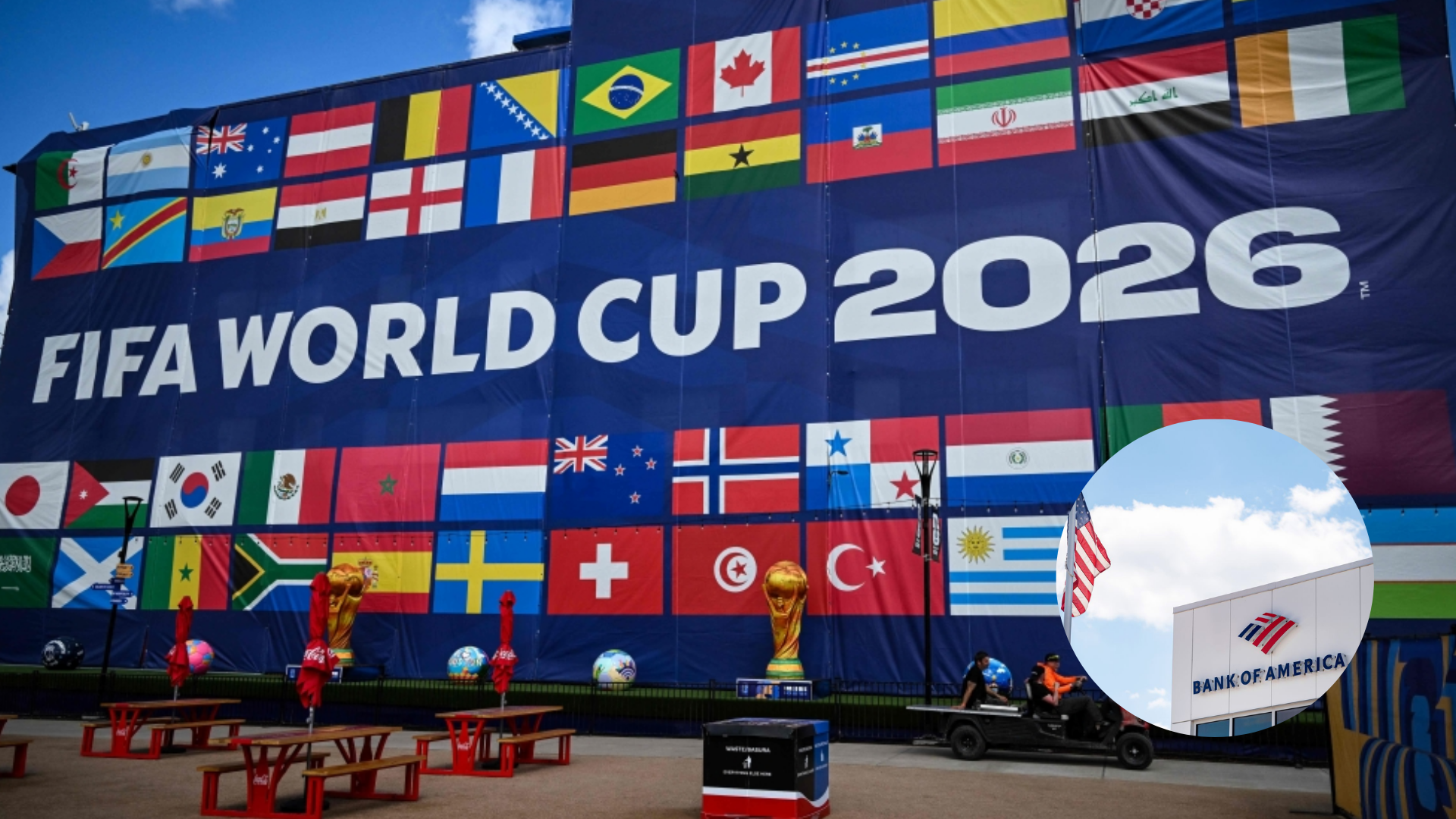
The FIFA World Cup 2026 is being jointly hosted by Canada, Mexico and the United States from June 11 to July 19, and features an expanded format of 48 teams, up from 32 in previous editions.
Although no Asean nation qualified for the tournament, Puntambekar said Malaysia and the wider region still have strong opportunities due to football’s established fan base and the growing role of digital platforms in how fans consume sports content.
According to him, the World Cup’s multiplier effect now extends far beyond tourism, hospitality and ticketing. In the modern digital economy, major sporting events can drive spending across media, consumer products, marketing, digital transactions, payments, foreign exchange services, data infrastructure and supply chains.
This makes the tournament relevant to Malaysia even though the matches are being played far away in North America. Fans in Malaysia will still engage with the event through television broadcasts, mobile devices, social media, online platforms, e-commerce campaigns and digital payment channels.
The World Cup also creates opportunities for brands and businesses to run football-themed promotions, digital advertising campaigns, fan engagement activities and merchandise sales. These activities can support local retailers, food and beverage operators, media platforms, payment providers and logistics companies.
Puntambekar said the combination of fandom, social viewing and digital engagement is why the tournament’s benefits are reflected in media consumption, digital commerce, sponsorship value and cross-border payments, even in markets outside the host nations.
For Malaysia, this could be seen through higher online spending during match periods, increased use of food delivery platforms, football-related product sales, stronger social media advertising and rising digital content consumption. Businesses may also benefit from late-night viewing culture, especially among restaurants, cafes, mamak outlets and entertainment venues showing matches.
The World Cup is also expected to increase demand for secure and efficient payment systems. As fans purchase subscriptions, merchandise, food, travel products or promotional packages, digital payments and cross-border transactions become more important.
Bank of America is the first-ever Official Bank Sponsor of the 23rd edition of the FIFA World Cup. Puntambekar said the bank’s role goes beyond brand visibility and is linked to financial infrastructure, community impact and connecting fans with the tournament through meaningful experiences.
He added that global events of this scale depend heavily on resilient payment systems, foreign exchange services, treasury connectivity and secure digital client experiences. Bank of America’s payments platform operates across more than 230 countries and territories, processes transactions in over 140 currencies and handles about US$1.6 trillion in payments daily.
This point is important for Malaysia because the country is continuing to strengthen its own digital economy and financial infrastructure. A global event like the World Cup demonstrates how modern commerce depends on real-time payments, cybersecurity, digital identity, cloud systems and data analytics.
Puntambekar described the World Cup as a live example of how commerce, technology and culture can move together. He said the tournament also highlights the importance of cyber resilience, artificial intelligence, digital identity, cloud infrastructure and real-time analytics in modern commerce.
The business impact is not limited to football alone. The tournament can indirectly support sectors such as advertising, digital banking, mobile payments, telecommunications, cloud services, logistics, retail, food delivery, travel, hospitality and entertainment.
For Malaysian companies, the World Cup provides a chance to ride global fan engagement. Brands can connect with football audiences through campaigns built around match schedules, national teams, player stories and viewing habits.
Small and medium enterprises can also benefit if they use the tournament period creatively. Restaurants can offer match-day packages, online sellers can promote football merchandise, and digital platforms can run targeted campaigns around major fixtures.
The tournament may also strengthen the importance of football as a commercial platform in Malaysia. Puntambekar noted that Malaysia Super League viewership has increased by more than 20 per cent over the past two seasons to nearly 24 million views, supported by a loyal fan base of 8.2 million followers.
This shows that football remains highly relevant to Malaysian audiences. Even though the World Cup is an international tournament, strong local football interest can help businesses use the event to build engagement and drive sales.
The global football industry is also expected to keep growing. According to the report, the global football market was valued at US$3.5 billion in 2025 and is projected to reach US$4.8 billion by 2034, representing a compound annual growth rate of 3.32 per cent from 2026 to 2034.
This growth reflects how football has become more than a sport. It is now a business ecosystem involving broadcasting, sponsorship, digital platforms, merchandise, tourism, data, payments and fan experiences.
For Malaysia, the World Cup’s timing may create opportunities for companies to strengthen digital infrastructure and customer engagement. Businesses that can combine sports content, digital payments and fast delivery services may be better positioned to capture demand during the tournament.
The event may also increase the importance of mobile-first engagement. Many Malaysian fans are expected to follow matches through phones, live updates, video highlights and social platforms, especially because time-zone differences may affect live viewing patterns.
This could benefit media companies, telecommunications providers and digital advertisers. As fans follow match updates and highlights online, traffic to digital platforms may rise, creating stronger advertising and content opportunities.
At the same time, payment providers and banks may see increased demand for seamless transactions. Football-related spending can involve multiple currencies, international platforms and digital marketplaces, making secure cross-border payment systems more important.
Logistics companies may also benefit from increased e-commerce activity, especially if football merchandise, food packages and promotional products gain demand during the tournament.
From a wider economic perspective, the World Cup shows how global events can create opportunities even for countries that are not hosting the tournament. Malaysia’s benefit may not come from stadium tourism, but from digital participation, commercial campaigns and technology-linked business activity.
This reflects a major change in the sports economy. In the past, host countries captured most direct benefits through ticketing, accommodation and visitor spending. Today, digital engagement allows businesses around the world to benefit from global fan attention.
For Malaysia and Asean, the key opportunity is to connect consumer enthusiasm with digital services. This includes payments, streaming, advertising, e-commerce, logistics and real-time fan engagement.
However, businesses must also manage risks. Higher digital activity can increase exposure to cyber threats, payment fraud and service disruptions. This is why cybersecurity and reliable digital infrastructure are becoming more important during major global events.
Bank of America’s outlook suggests that Malaysia can gain from World Cup 2026 through a wider digital and commercial ecosystem. The tournament is not only a football event, but also a global business platform that can stimulate spending, digital transactions, media engagement and cross-border activity.
With strong football interest in Malaysia and growing digital adoption, the World Cup offers an opportunity for local businesses to connect with fans, increase online engagement and participate in one of the world’s largest sports-driven economic cycles.