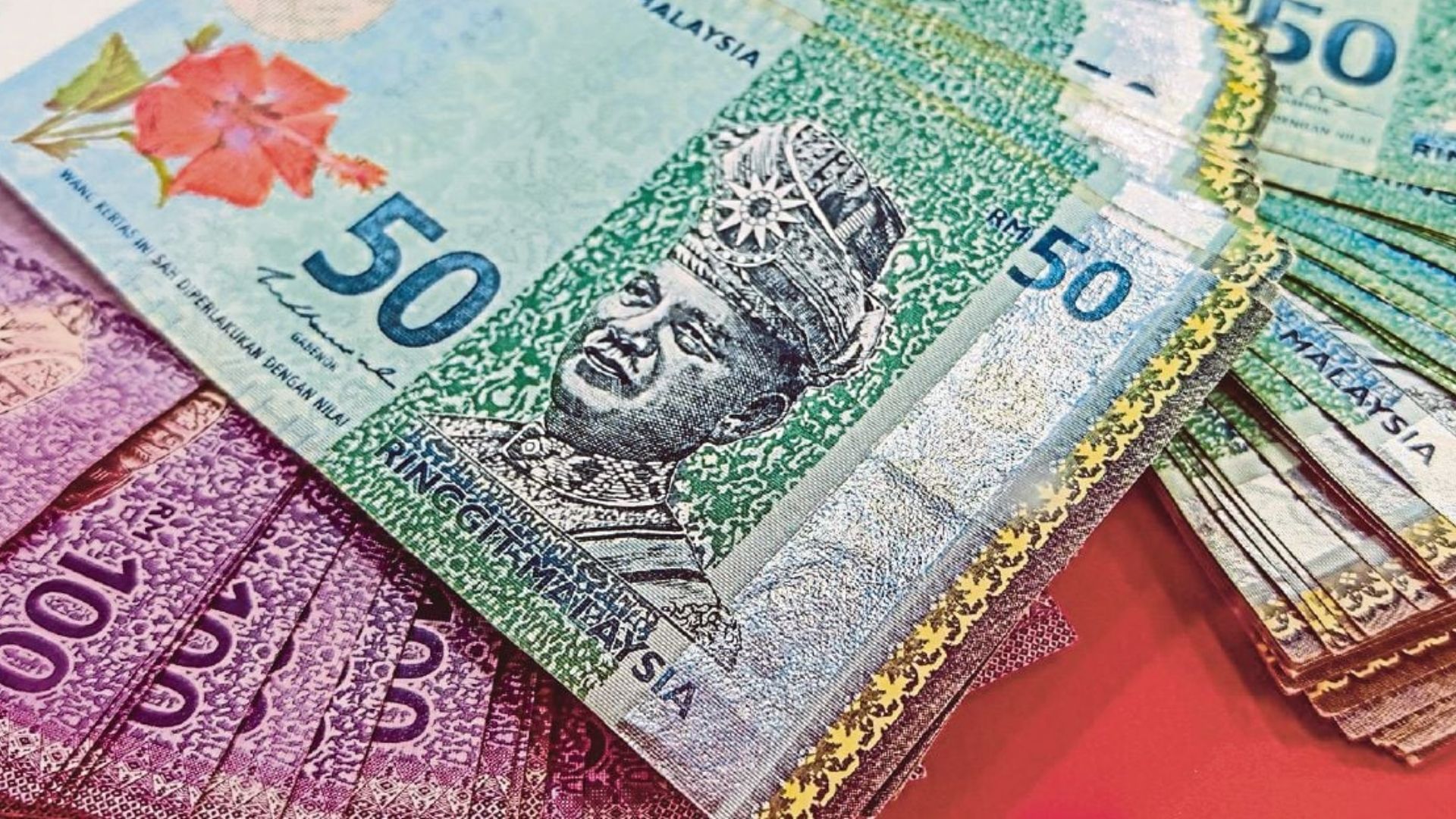
KUALA LUMPUR, June 2026 — The ringgit opened higher against the US dollar on Tuesday as progress in Middle East peace talks helped lift market sentiment and ease some concerns over geopolitical uncertainty.
At 8am, the local currency rose to 4.1440/1550 against the greenback, compared with 4.1465/1500 at Monday’s close.

The improvement came as investors reacted to signs that peace negotiations in the Middle East were moving forward. The development helped reduce some safe-haven demand for the US dollar and gave support to selected regional currencies, including the ringgit.
Bank Muamalat Malaysia Bhd chief economist Dr Mohd Afzanizam Abdul Rashid said the US government’s decision to allow Iran to sell oil in the international market was a sign that the ongoing peace negotiations were progressing well.
He said the move had helped bring crude oil prices lower, with WTI crude trading around US$74.29 per barrel and Brent crude around US$77.90 per barrel.
Lower oil prices can help reduce inflationary pressure because energy costs influence fuel prices, transportation costs and wider business expenses. For currency markets, lower inflation expectations may also reduce pressure on central banks to keep raising interest rates.
However, Mohd Afzanizam said traders were still uncertain about the possibility of a future interest rate hike by the US Federal Reserve.
This remains important for the ringgit because US interest rate expectations often influence the strength of the US dollar. When markets expect the Federal Reserve to raise rates, the dollar usually becomes more attractive to investors, placing pressure on emerging-market currencies.
Reuters reported that the US dollar climbed on Monday after the initial round of US-Iran talks improved optimism over a peace deal, while crude oil prices fell as the progress eased supply concerns.
According to Reuters, US crude fell to US$75.19 per barrel, while Brent crude dropped to US$77.93 per barrel on Monday as markets reacted to the reported progress.
Reuters also reported that the first round of talks between senior US and Iranian officials in Switzerland ended with mediators Qatar and Pakistan saying both sides had agreed on a 60-day roadmap toward a final deal.
The progress in negotiations helped calm some fears that the process was breaking down, especially after earlier tensions involving the Strait of Hormuz and threats of renewed attacks.
For Malaysia, easing Middle East tensions can support market stability because the country is sensitive to changes in global oil prices, inflation expectations and investor risk appetite.
The ringgit also traded mixed against major currencies at the opening. It strengthened against the euro to 4.7345/7419 from 4.7506/7547 at Monday’s close.
However, the local note weakened against the British pound to 5.4887/4973 from 5.4850/4896 and was unchanged against the Japanese yen at 2.5648/5690 from 2.5635/5658.
Against regional currencies, the ringgit performed better. It strengthened against the Singapore dollar to 3.2030/2085 from 3.2069/2098 and improved against the Thai baht to 12.5637/5899 from 12.5919/6075.
The ringgit was almost unchanged against the Indonesian rupiah at 232.2/232.7 from 232.3/232.6, while it remained unchanged against the Philippine peso at 6.78/6.79.
Domestically, Mohd Afzanizam said the Ministry of Finance’s latest move to rationalise diesel subsidies could be seen as credit-positive.
He said the new mechanism, which will use MyKad to distribute diesel subsidies, could generate savings of around RM2 billion.
According to him, the move shows that the government is responding proactively to current challenges while remaining aware of the impact on the people. He also expected the ringgit to remain fairly stable for the day.
The ringgit’s performance shows how closely Malaysia’s currency is tied to global risk sentiment. When geopolitical tensions rise, investors often move into safe-haven assets such as the US dollar. When tensions ease, emerging-market currencies may receive some support.
The Middle East peace talks are especially important because the region plays a central role in global energy supply. Any disruption involving oil exports, shipping routes or the Strait of Hormuz can quickly affect crude prices, inflation expectations and currency markets.
For now, progress in the talks has helped reduce immediate concerns over energy supply disruption. This has supported the view that crude oil prices could remain lower if negotiations continue positively.
Still, the ringgit’s upside may remain limited if the US Federal Reserve signals further rate increases. Higher US interest rates can strengthen the dollar and reduce demand for regional currencies.
This means the ringgit will likely continue to be influenced by two major factors in the near term: geopolitical developments in the Middle East and US monetary policy expectations.
If peace talks continue to progress and oil prices remain stable, the ringgit could find further support. But if negotiations fail or tensions rise again, market volatility may return quickly.
Investors will also continue monitoring domestic policy steps, including subsidy rationalisation, fiscal management and economic growth indicators, as these factors can affect confidence in Malaysia’s currency outlook.
the ringgit’s stronger opening reflects improved market confidence following progress in Middle East peace talks. However, uncertainty over US interest rates and the durability of the peace process means currency movements may remain cautious.
The development is suitable for Update News because it involves a current movement in the ringgit, Middle East peace negotiations, oil price changes and Malaysia’s latest economic outlook.