KUALA LUMPUR, AUGUST 2026 – Malaysia is reviewing its policy on the export of unprocessed rare earth minerals as the government seeks to strengthen the country’s role in the rapidly expanding global critical minerals supply chain.
The review marks a potential shift from the export moratorium introduced in 2024, which was designed to encourage greater domestic processing and attract investment into Malaysia’s downstream rare earth industry.

Deputy Minister of Natural Resources and Environmental Sustainability Syed Ibrahim Syed Noh said authorities are assessing whether limited exports should be permitted in response to increasing demand from international investors and state governments.
According to him, countries including the United States, Australia, France and India have expressed strong interest in Malaysia’s rare earth resources as global competition for critical minerals intensifies.
Malaysia’s review comes as governments worldwide race to secure supplies of rare earth elements, which are essential for manufacturing electric vehicles, semiconductors, renewable energy technologies, defence systems and advanced consumer electronics.
Global demand accelerated after China tightened export controls on several critical minerals during its trade dispute with the United States, prompting many countries to diversify their supply chains.
Syed Ibrahim stressed that any relaxation of export rules would not result in unrestricted shipments of raw minerals.
Instead, future approvals would likely be linked to commitments involving foreign direct investment, technology transfer and research and development projects that provide long-term value to Malaysia’s economy.
The government also aims to reduce dependence on any single technology provider by attracting expertise from multiple international partners while continuing to develop local processing capabilities.
Malaysia has identified critical minerals as one of the country’s strategic growth sectors and is targeting regional leadership in the industry by 2030.
The country already hosts Lynas Rare Earths’ refining facility in Kuantan, one of the world’s largest rare earth processing plants outside China.
Growing interest has also emerged from other international and domestic companies seeking to invest in Malaysia’s mining and downstream processing sectors.
French company Carester, together with Malaysian partners, is planning a rare earth separation facility in Perak, while local conglomerates are also exploring opportunities in critical minerals development.
Despite increased foreign interest, the government reiterated that environmental sustainability remains a priority.
Officials are continuing geological mapping and environmental assessments to ensure future mining activities minimise impacts on forests, biodiversity and surrounding communities.
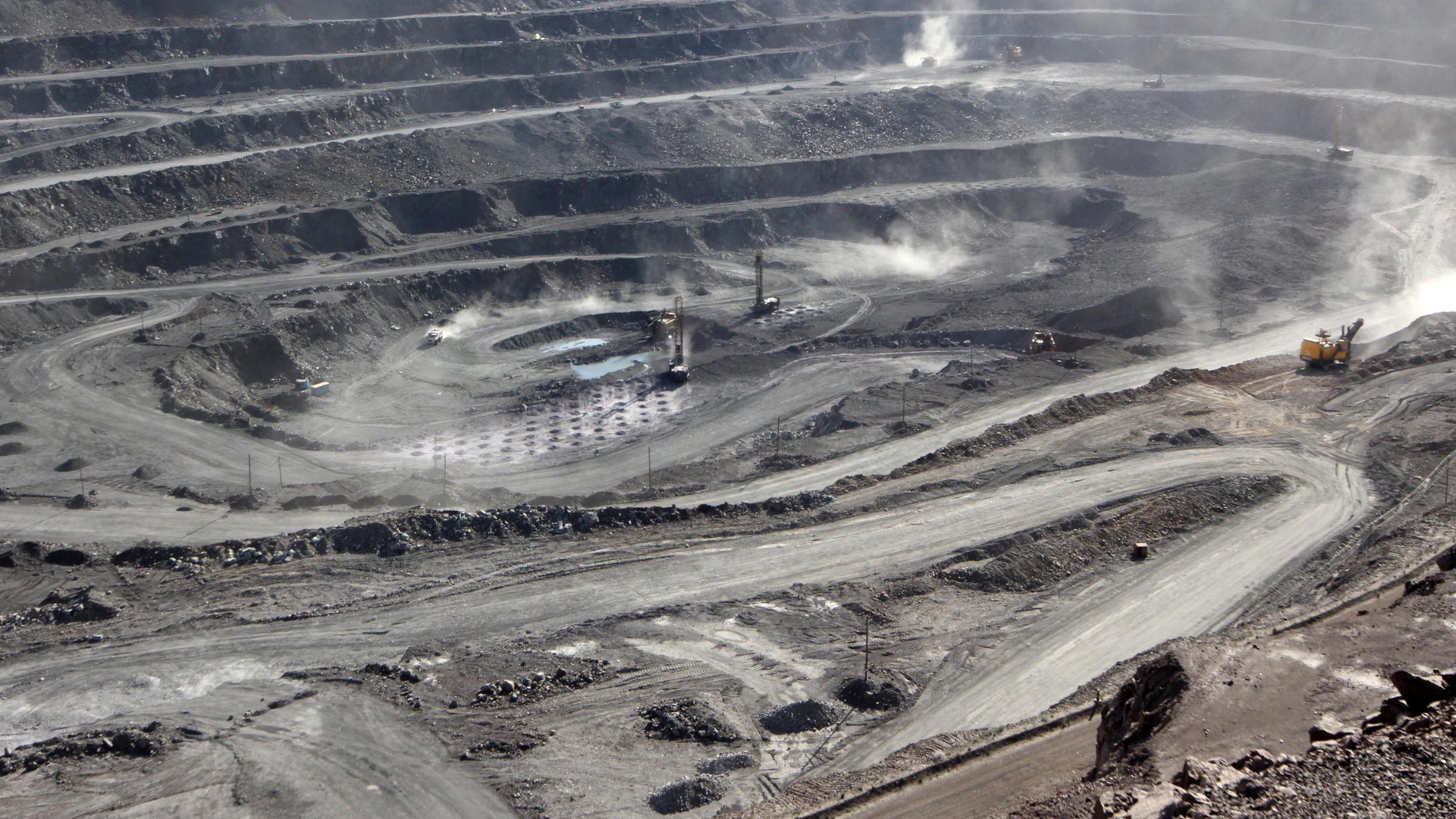
Malaysia is estimated to possess approximately 16.1 million tonnes of inferred rare earth reserves, with previous government estimates valuing those resources at around RM970 billion.
Much of these deposits are located within protected forest areas, making careful planning essential before large-scale extraction can begin.
The proposed policy review reflects Malaysia’s broader ambition to move beyond being a supplier of raw materials and become a higher-value participant in the global critical minerals supply chain.
If implemented, the revised approach could attract additional international investment while supporting domestic processing, advanced manufacturing and technology development.
Industry observers believe balancing export flexibility with downstream industrial growth will be crucial as Malaysia seeks to position itself as one of Southeast Asia’s leading critical minerals hubs over the coming decade.