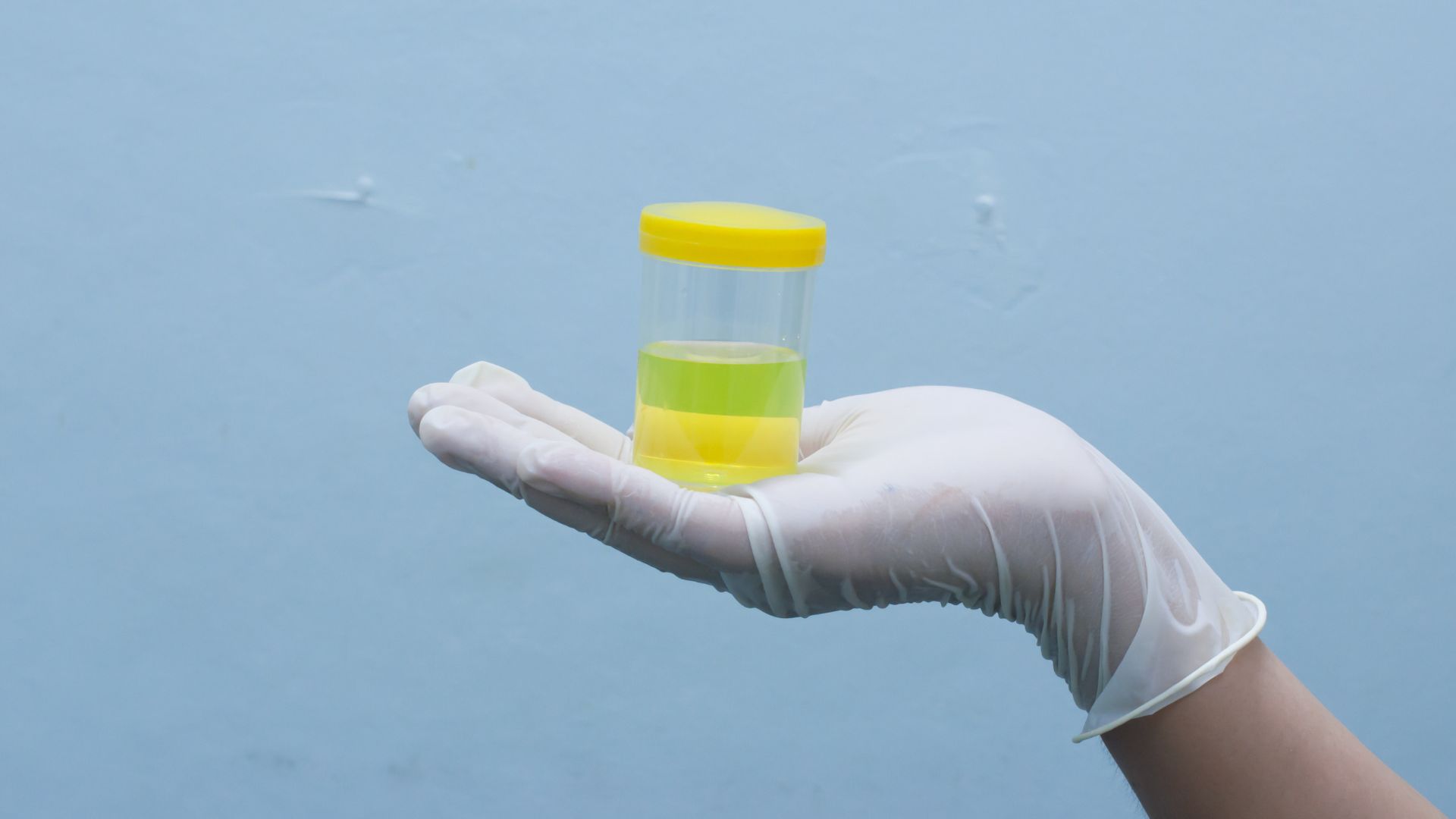
DALLAS, El Sky News – While some might confuse it with environmental factors, the color of your urine is one of the quickest, most reliable indicators of your personal health, specifically your hydration level. Urine color acts as a simple, real-time barometer of how well-watered your body is, reflecting the concentration of waste products being processed by your kidneys.
The Role of Urochrome and Water
Urine gets its yellow pigment primarily from a waste product called urochrome. Urochrome is the byproduct of hemoglobin breakdown, a continuous and necessary process in the body.

The key determinant of urine color is the amount of water mixed with this urochrome:
- Clear to Pale Straw Yellow: This indicates optimal hydration. When you drink enough water, the urochrome is diluted, resulting in a nearly colorless output.
- Deep Yellow to Amber: This signifies mild to moderate dehydration. The body is conserving water, resulting in highly concentrated urine with a high ratio of urochrome to water.
- Brownish or Orange: This can indicate severe dehydration or, less commonly, the presence of certain medications (such as some laxatives or chemotherapy drugs) or liver dysfunction.
Kidney Efficiency: The Filtration Power
The change in color highlights the incredible efficiency of the kidneys, which are constantly working to maintain the body’s fluid balance. The kidneys filter the body’s entire blood supply approximately 60 times per day (processing about 180 liters of blood daily).
“The kidneys’ job is to excrete waste while holding onto as much necessary water as possible,” explains Dr. Henry Kwan, a renal physiologist. “When you’re dehydrated, the kidneys prioritize water retention, leaving less water to dilute the waste, and the resulting dark color is a warning signal.”
When Color Indicates More Than Thirst
While most color changes are benign and hydration-related, certain colors warrant medical attention:
- Red or Pink: Often caused by consuming beets or berries, but can be a serious indicator of blood in the urine, potentially signaling kidney stones, infections, or bladder issues.
- Blue or Green: Rarely seen, this can be caused by certain dyes in food or medications, or extremely rare metabolic disorders.
“For most people, paying attention to urine color is the fastest and easiest way to preempt dehydration and support overall kidney health,” Dr. Kwan concludes.