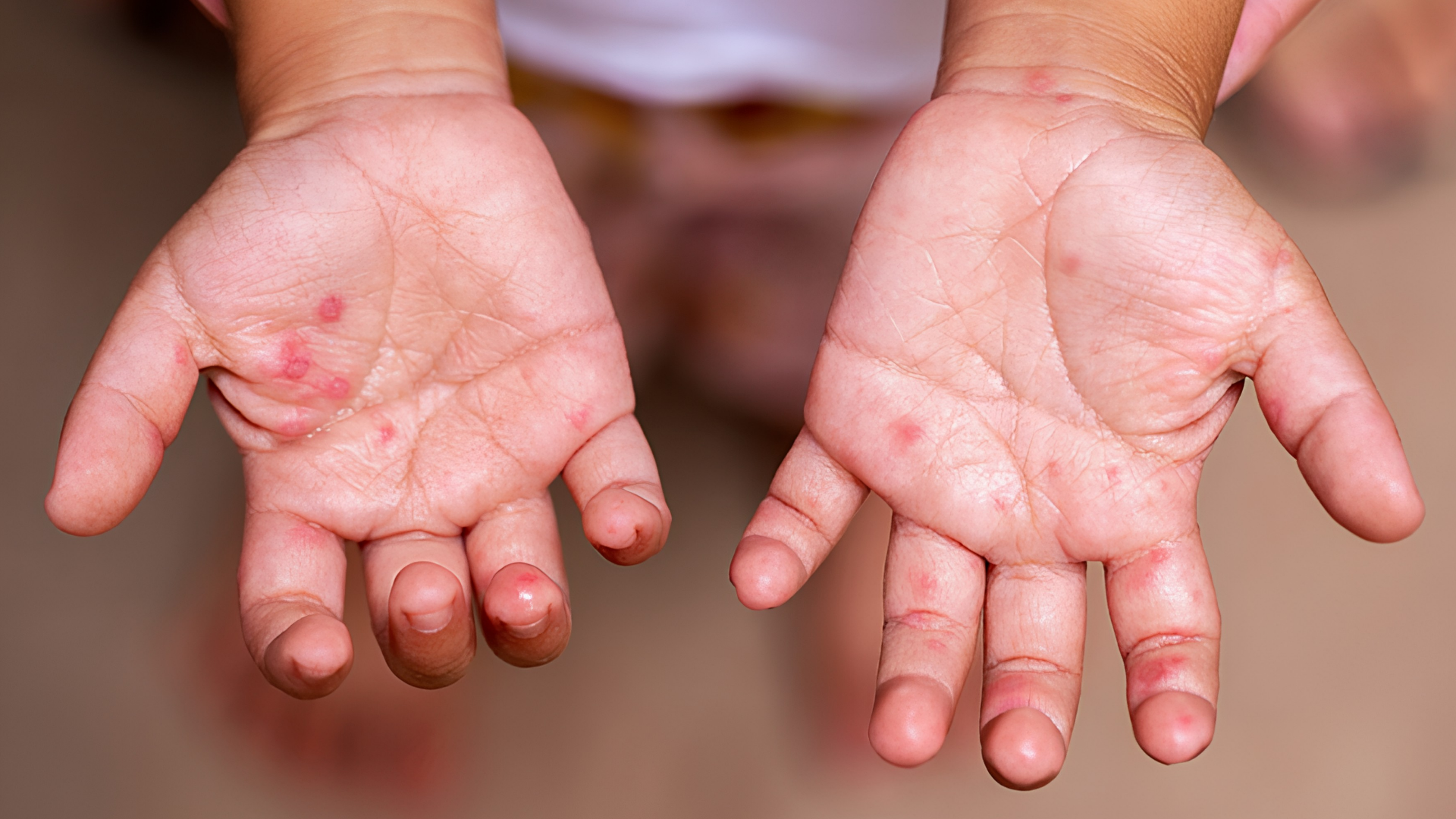
KUALA LUMPUR, AUGUST 2026 — Malaysia’s Health Ministry is evaluating the feasibility of introducing a vaccine against hand, foot and mouth disease (HFMD) as the country continues to record tens of thousands of infections each year.
The ministry’s Disease Control Division said the decision must take into account Malaysia’s current HFMD epidemiology because the disease can be caused by around 20 types of enteroviruses, particularly Coxsackievirus A16, Coxsackievirus A6 and Enterovirus A71 (EV-A71).

The vaccine currently being considered specifically protects against EV-A71. However, the virus accounted for only about 1.5% of enteroviruses detected in Malaysia so far this year, while most cases were linked to other enteroviruses, including Pan-Enterovirus and Coxsackievirus A6.
A local pharmaceutical company is seeking to import and market the finished vaccine before potentially moving towards local production. The vaccine, sourced from China and intended for children aged between six months and six years, is currently under review by the National Pharmaceutical Regulatory Agency (NPRA).
Three EV-A71 vaccines have already been approved for use in China. According to World Health Organization data cited by The Star, the vaccines showed efficacy ranging from 90% to 97.4% after two doses during one year of surveillance.
Malaysia saw a sharp rise in HFMD infections last year, with cases increasing 266% in the first quarter of 2025 compared with the same period in 2024. The ministry attributed the increase partly to HFMD’s natural cyclical pattern, changes in circulating viruses and transmission through close contact in childcare centres and communities.
The situation has improved significantly in 2026. As of August 22, Malaysia recorded 40,879 HFMD cases, almost 83% lower than the 239,907 cases reported during the corresponding period last year.
The Health Ministry said it will continue monitoring HFMD trends, circulating enteroviruses and emerging scientific evidence before determining whether vaccination should play a wider role in Malaysia’s disease-prevention strategy.