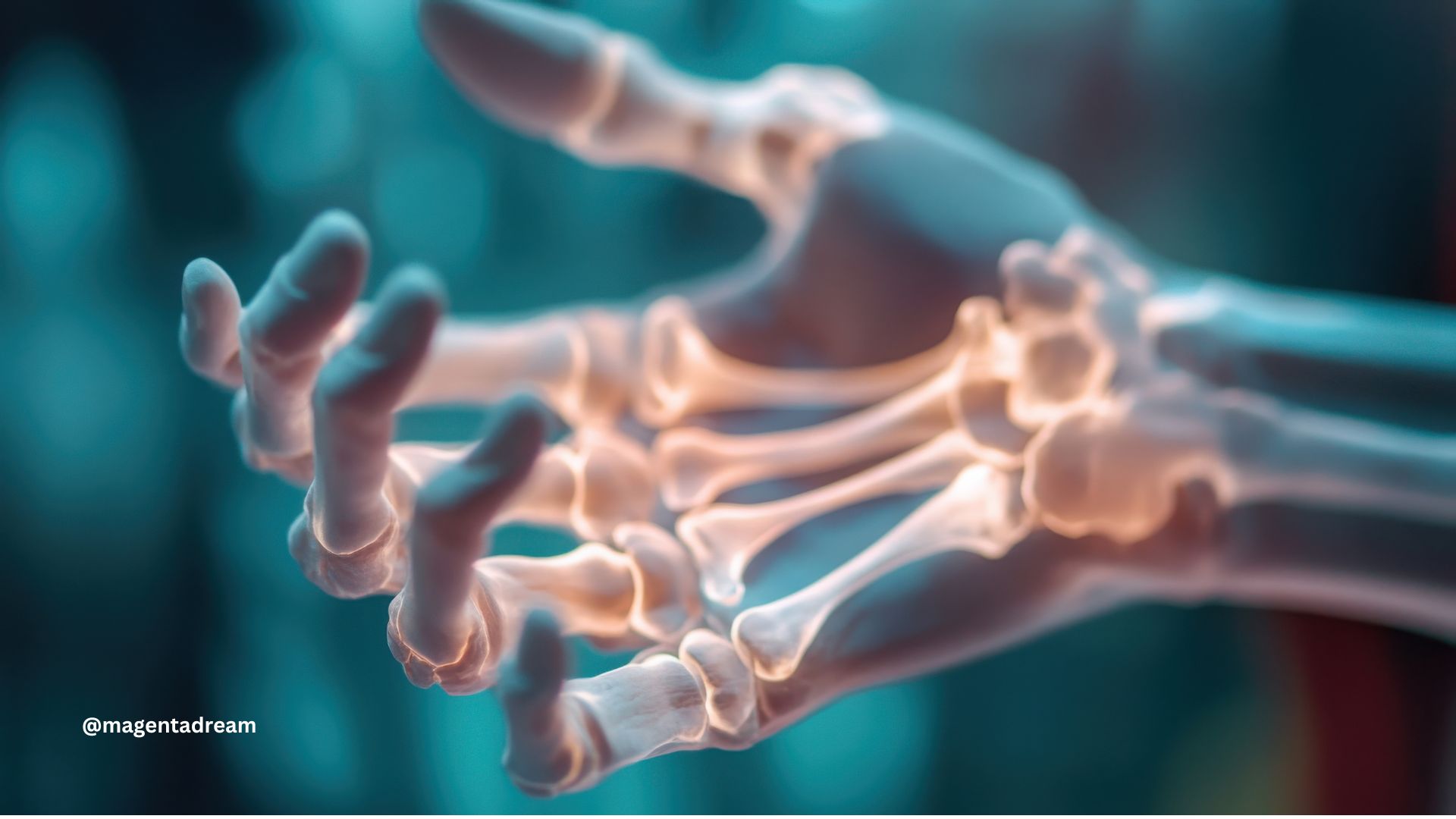
LONDON, El Sky News – In the world of structural engineering, concrete is the gold standard for strength. However, researchers are pointing to an even more impressive material found inside the human body: the skeletal system. Pound for pound, human bone is not only lighter than concrete but significantly more durable, behaving more like “biological steel” under pressure.
The Power of the Cubic Inch
A recent biomechanical analysis reveals that human bone density is a marvel of natural engineering. Scientists have found that a single cubic inch of bone can theoretically withstand a load of approximately 19,000 pounds (8,618 kg)—roughly the weight of a medium-sized commercial truck—without crumbling.

“Most people view bones as dry, brittle sticks,” says Dr. Marcus Thorne, a specialist in osteology. “In reality, bone is a living, flexible composite. It is roughly four times stronger than concrete when it comes to resisting compression. While concrete will crack under sudden tension, bone has the elasticity to absorb significant impact.”
The Secret Architecture: Living Composites
The secret to this “super strength” lies in the bone’s unique dual-composition. It is made of a combination of collagen (a flexible protein) and hydroxyapatite (a hard mineral).
This mixture creates a material that is both hard enough to support weight and flexible enough to prevent shattering. The internal structure of the bone, known as trabecular or spongy bone, mimics the complex trusses of a bridge, distributing weight efficiently across the entire frame.
The Constant Self-Repair Cycle
Unlike the concrete used in skyscrapers, which degrades over decades, the human skeleton is constantly “remodeling” itself. Every year, your body replaces approximately 10% of its entire bone mass.
Specialized cells called osteoclasts break down old, weakened bone, while osteoblasts lay down fresh, mineral-rich layers. This ensures that the “biological concrete” in our bodies remains at peak performance throughout our lives, provided it receives the right nutrients like calcium and Vitamin D.
Implications for Modern Medicine
Understanding the structural integrity of bone is helping engineers develop better prosthetics and materials for aerospace. “Nature has already solved the problem of how to build something light yet incredibly strong,” adds Dr. Thorne. “We are just now beginning to catch up with the blueprints already inside us.”