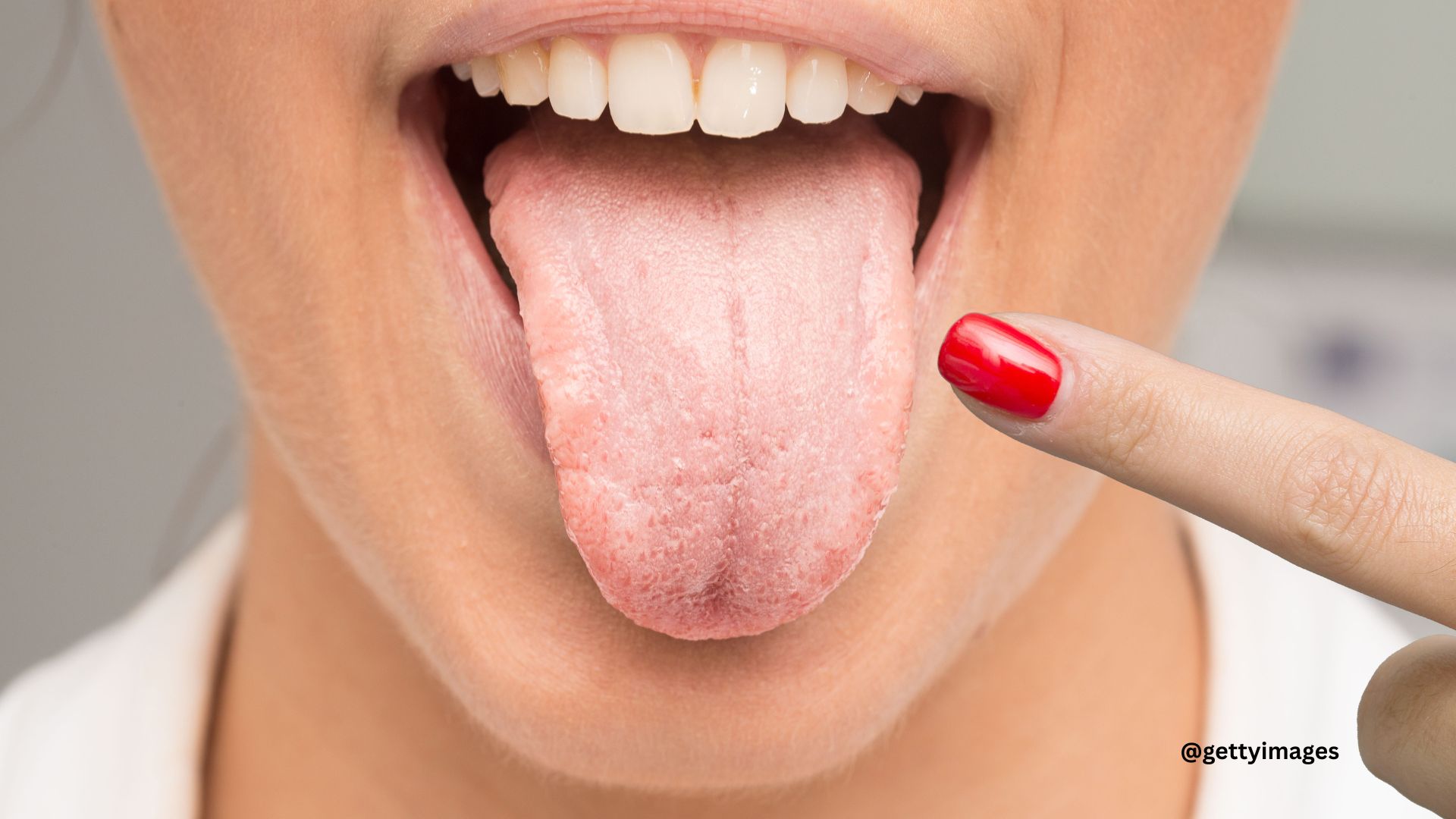
NEW YORK, El Sky News – For decades, school textbooks across the globe have taught students that the human tongue is divided into distinct zones: sweetness at the tip, sourness on the sides, and bitterness at the back. However, modern sensory science has officially declared this “Tongue Map” a total fabrication, proving that our sense of taste is far more sophisticated—and unified—than previously believed.
A Century-Old Misunderstanding
The concept of the taste map originated from a 1901 paper by German scientist David P. Hänig. His research was later misinterpreted and translated into a rigid map that dominated biology for over 100 years.

“The idea that you only taste sugar with the tip of your tongue is a persistent myth,” says Dr. Sarah Jenkins, a molecular biologist specializing in gustatory systems. “While there are very slight variations in sensitivity, the reality is that every part of the tongue equipped with taste buds can detect every basic flavor simultaneously.”
The Science of the Papillae
The human tongue is covered in thousands of small bumps called papillae, which contain our taste buds. Each of these taste buds houses 50 to 100 specialized receptor cells.
Molecular research has confirmed that these receptors for sweet, sour, salty, bitter, and umami (savory) are distributed across the entire surface of the tongue. When you take a sip of coffee or a bite of chocolate, the chemical signals are sent to the brain from all areas of the mouth at once, creating a “global” flavor experience rather than a zoned one.
The “Sixth Sense” and Beyond
The debunking of the map has opened doors to discovering how we truly perceive flavor. Scientists have recently identified a potential sixth taste—oleogustus, the taste of fat—and are investigating how the roof of the mouth and the throat also contribute to our sense of taste.
“We aren’t just tasting with ‘zones’; we are tasting with an integrated biological system,” Dr. Jenkins explains. “The brain integrates signals from the tongue, the aroma from the nose, and even the texture of the food to create what we perceive as flavor.”
Educational Reform in Biology
As the myth of the tongue map fades, educators are updating curricula to reflect the truth of human physiology. This shift highlights a broader lesson in science: even the most widely accepted “facts” are subject to change when faced with new evidence. For the culinary and medical worlds, this means a deeper appreciation for the complex, all-encompassing way our bodies interact with the world around us.