TOKYO, El Sky News – In a discovery that sounds like science fiction, researchers have confirmed that certain mammals can absorb oxygen through their intestines—specifically via the anus. This biological phenomenon, known as enteral ventilation, is being hailed as a potential game-changer for human emergency medicine, particularly for patients in respiratory distress.
Learning from the Loach
The inspiration for this research came from nature. Certain aquatic creatures, such as loaches (a type of freshwater fish), have long been known to use their hindgut to breathe when oxygen levels in the water become too low.

A team of scientists at Tokyo Medical and Dental University wondered if the same mechanism could be triggered in mammals. In a series of controlled trials, they found that pigs and rodents were able to survive in low-oxygen environments when oxygen was delivered in either gas or liquid form (using oxygenated perfluorocarbons) through the rectum.
How “Intestinal Breathing” Works
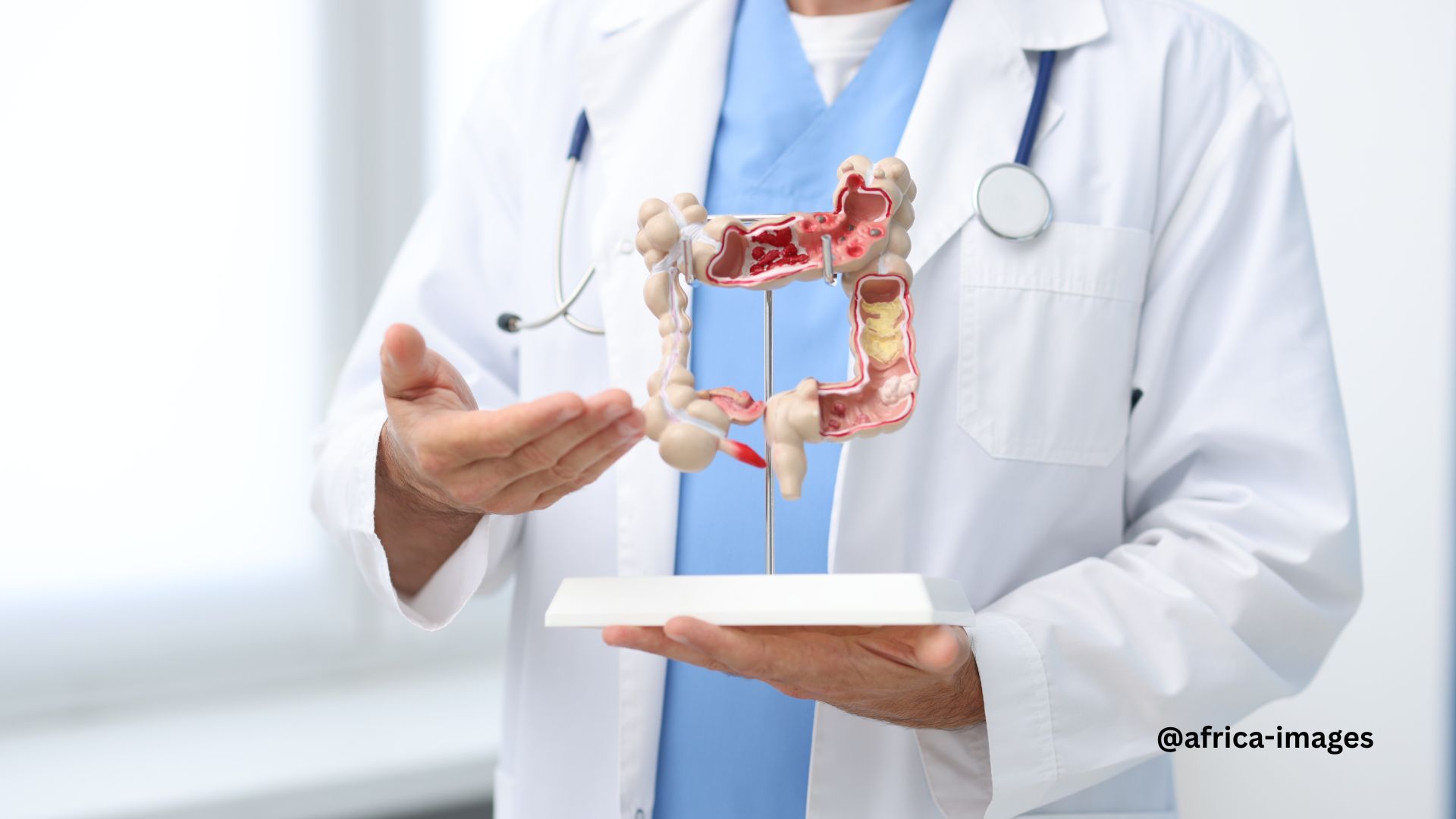
The lining of the distal intestine is incredibly thin and rich with blood vessels. Under normal circumstances, it is designed to absorb nutrients and water. However, the researchers found that by scrubbing the lining to increase its permeability, oxygen could be absorbed directly into the bloodstream.
“It is a highly unconventional approach,” says Dr. Takanori Takebe, the lead researcher. “But the gut has a massive surface area and is packed with capillaries. When the lungs fail, the intestine can act as a backup ’emergency lung’ to keep vital organs alive.”
The “Liquid Ventilation” Breakthrough
The most promising application for humans involves the use of oxygenated liquids. These fluids are safe and can be administered via an enema-like procedure. Unlike gas ventilation, which can be difficult to manage, the liquid form is easier for the intestinal tissue to process and does not require complex machinery.
Future in Human ERs
The potential for human use is currently being explored for cases where mechanical ventilators are unavailable or when a patient’s lungs are too damaged to function. Clinical trials are being discussed to see if this “EVA” method can buy critical time for patients suffering from severe pneumonia or other respiratory failures.
“We are looking at a future where an ‘oxygen enema’ could be a standard procedure in the ICU,” Dr. Takebe adds. “It may sound strange, but if it saves a life when the lungs have stopped, it becomes a beautiful piece of biology.”