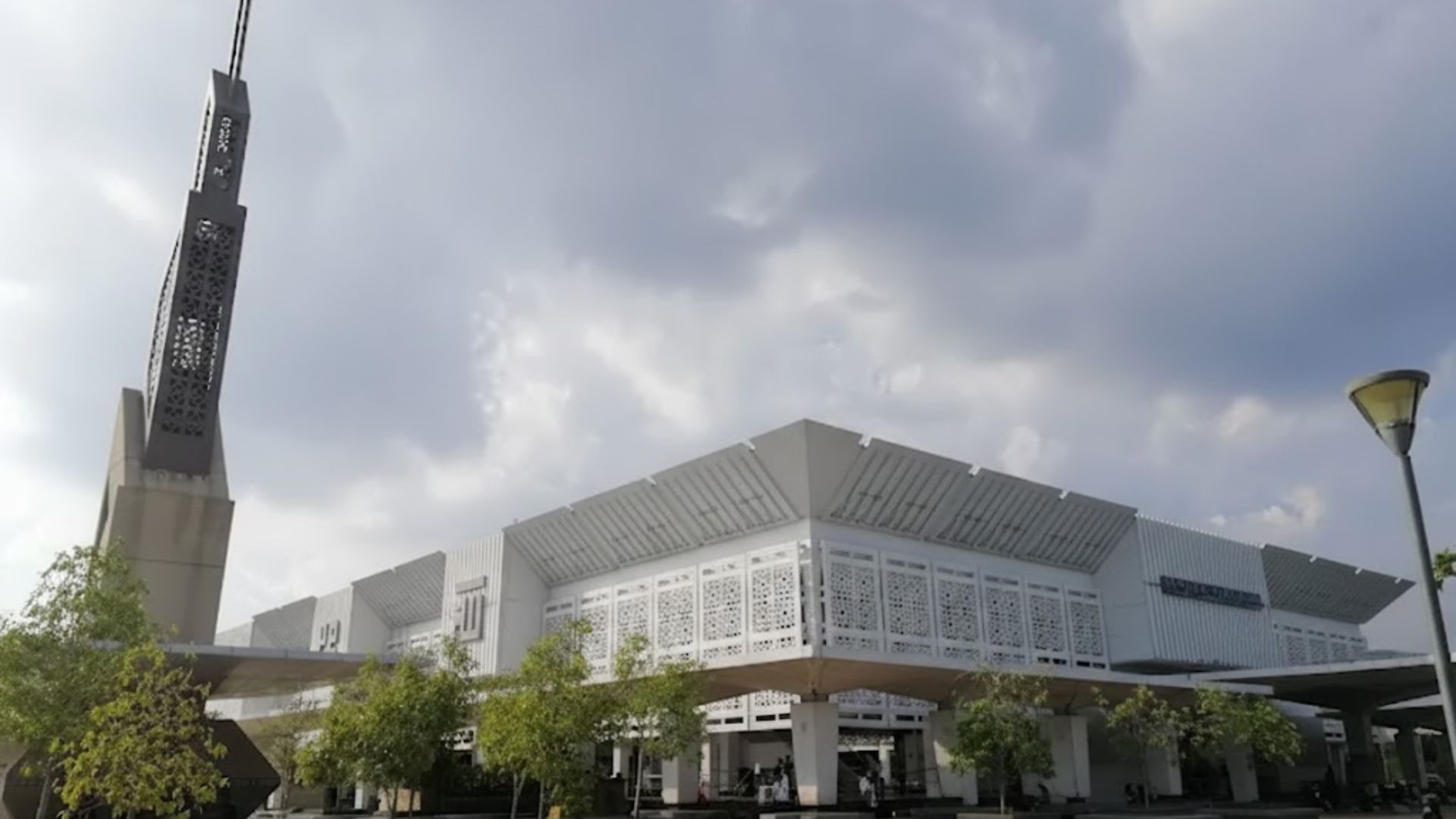
In the heart of Malaysia’s “Silicon Valley,” amidst global tech hubs and futuristic startups, stands a structure that bridges the gap between the 18th-century battlefield and the 21st-century climate crisis. Masjid Raja Haji Fisabilillah, commonly known as the Cyberjaya Mosque, is not just a place of worship; it is a masterpiece of sustainable engineering and a profound tribute to a legendary warrior.
A Name Carved in Courage
The mosque’s identity is anchored in the history of Raja Haji Fisabilillah ibni Daeng Chelak, a celebrated Bugis hero and the 4th Yang Dipertuan Muda of the Johor-Riau Sultanate.

Known for his fierce resistance against Dutch colonial forces, he fell in battle at Teluk Ketapang in 1784. His name, Fisabilillah (meaning “In the path of Allah”), serves as a permanent reminder of his spiritual and patriotic sacrifice. By naming a futuristic mosque in Malaysia’s tech capital after him, the nation honors a legacy where progress is always rooted in heritage.
The First “Green” Mosque of Malaysia
While its name looks backward at history, its design looks forward to the future. Masjid Raja Haji Fisabilillah is Malaysia’s first mosque to be awarded the Platinum Green Building Index (GBI) rating. It serves as a physical manifestation of the Islamic principle of Khalifah—the responsibility of humans as stewards of the Earth.

Innovative Sustainability Features:
- Solar Powerhouse: The mosque features one of the largest rooftop solar harvests on a religious building in Malaysia, significantly reducing its carbon footprint.
- Natural Respiration: Unlike traditional buildings that rely on heavy air conditioning, this mosque “breathes.” Its open-plan design and high ceilings facilitate natural cross-ventilation, maintaining a cool interior temperature of around 26°C.
- Water Wisdom: A sophisticated rainwater harvesting system is utilized for landscaping and cleaning, embodying the Islamic prohibition against waste (Israf).
The Architecture of Light and Transparency
Visually, the mosque departs from the traditional Middle Eastern dome style. Instead, it adopts a modern-futuristic aesthetic using glass, steel, and clean lines.

- The Dome of Light: The use of Low-E (low-emissivity) glass allows natural sunlight to flood the prayer hall while blocking heat. This transparency symbolizes openness and inclusivity, welcoming the diverse international community of Cyberjaya.
- The Minaret: A slender, illuminated tower reaches toward the sky, representing the constant connection between the Creator and the creation.
A Hub for the Global Ummah
With a capacity for over 8,300 worshippers, the mosque serves as a melting pot. It brings together local residents, international students from nearby universities, and tech professionals from across the globe. It is more than a prayer hall; it is a community center featuring a library, banquet halls, and seminar rooms that foster intellectual growth.

A highlight of the mosque’s social mission is its heartwarming Friday tradition: the “Free Lunch for All” initiative. Every Friday, following the congregational prayers, the mosque provides free meals to thousands of worshippers. This generous act serves as a vital support system for the local community, especially for the many international students, migrant workers, and young professionals living in Cyberjaya. By feeding the hungry and bringing people of different nationalities together at a common table, the mosque transforms from a house of prayer into a true sanctuary of compassion and social unity.
Conclusion
Masjid Raja Haji Fisabilillah is a rare architectural gem that tells two stories at once: the story of a hero who fought for the land’s freedom, and the story of a nation fighting for a sustainable future. It stands as a beacon of hope, proving that technology and faith can coexist to protect the planet we share