KUALA LUMPUR,MAY,2026 – Malaysia’s tourism sector is showing strong growth in 2026 as international travellers continue to return to the country’s beaches, cities, cultural destinations and eco-tourism attractions.
Travel and Tour World listed Malaysia’s tourism growth as one of its latest Asia travel updates, highlighting the country’s rising appeal among international visitors heading to Southeast Asia.

Malaysia recorded a major tourism milestone in the first quarter of 2026 after welcoming 10,647,200 international visitors between January and March. The figure marked a 5.4% increase compared with the same period last year and became the country’s highest-ever first-quarter arrival performance.
The latest result also surpassed Malaysia’s previous first-quarter record of 10,102,972 arrivals set in 2025. Tourism, Arts and Culture Minister Datuk Seri Tiong King Sing said Malaysia had never crossed the 10 million arrival mark in the first quarter before the Covid-19 pandemic, with arrivals during the same period in 2019 standing at 9,011,670.
One of the biggest drivers of the increase was strong Chinese New Year travel demand, particularly from China. The festive travel period helped lift visitor numbers as airlines increased frequencies between Malaysia and China, making it easier for tourists to travel to Kuala Lumpur and other destinations across the country.
Malaysia also recorded its highest-ever monthly tourist arrival figure in February 2026, with 3,472,557 international arrivals. According to Tiong, it was the first time monthly arrivals had exceeded the three million mark.
China remained Malaysia’s strongest growth market in the first quarter, contributing an additional 280,000 visitors compared with the same period last year. Arrivals from China rose 25.2% year-on-year, while Australia also recorded double-digit growth of 11.4%.
Singapore continued to be Malaysia’s largest source market, accounting for nearly half of total arrivals between January and March with 5.14 million visitors. China followed with 1.41 million arrivals, while Indonesia, Thailand and Brunei were also among the key source markets.
The increase reflects Malaysia’s broad tourism appeal. Travellers are drawn not only to Kuala Lumpur’s shopping, food and urban attractions, but also to Penang’s heritage, Langkawi’s beaches, Sabah and Sarawak’s eco-tourism experiences, Melaka’s historical sites and cultural destinations across the country.
Asean remained Malaysia’s largest source region, with arrivals increasing by more than 350,000 visitors in the first quarter. East Asia also contributed strongly, while Europe, the Americas and Oceania each recorded increases of more than 10,000 arrivals.
European arrivals also crossed an important milestone, exceeding 500,000 visitors in the first quarter for the first time. Tiong said the ministry has been targeting European travellers because they typically stay longer in Malaysia, which can help increase tourism receipts.
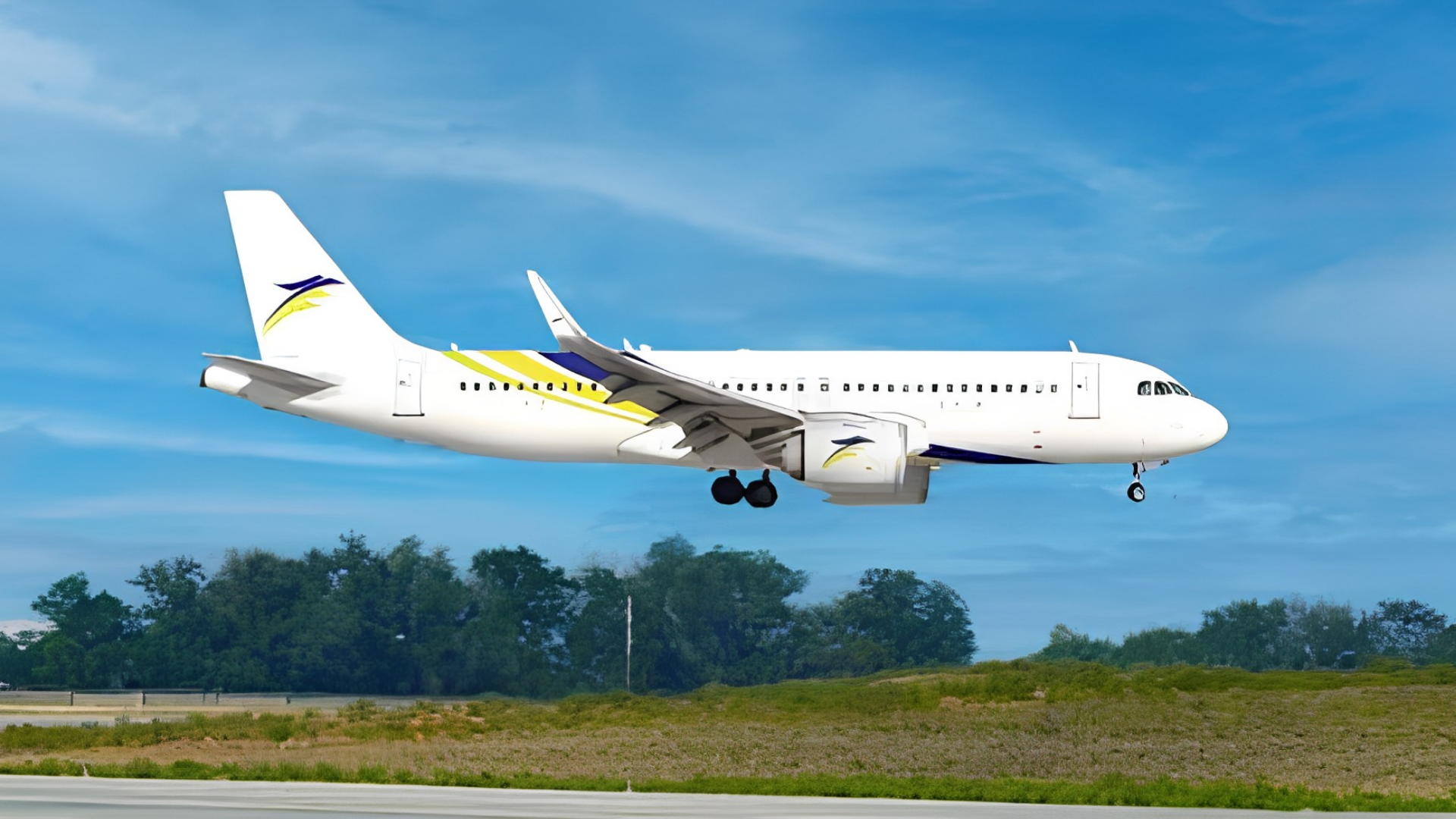
Malaysia’s tourism recovery was also supported by stronger air connectivity. During the first quarter, 20 new scheduled international routes began operations, while 12 airlines added 95 international flights per week into Malaysia. Five additional airlines also operated six charter routes linking Malaysia with China and Hong Kong.
The Edge reported that Malaysia added 26 new international routes during the period, including scheduled and charter services. Lufthansa has also confirmed direct Frankfurt-Kuala Lumpur flights beginning October 25, a move expected to strengthen Malaysia’s access to the European market.
The growth comes as Malaysia pushes ahead with Visit Malaysia 2026, a major national tourism campaign aimed at attracting 47 million international tourist arrivals and generating RM147.1 billion in tourism receipts this year.
Tourism Malaysia’s official statistics platform states that tourism-related data is gathered from multiple sources and analysed to provide useful information on the performance of Malaysia’s tourism sector, including international visitor arrivals.
Despite the strong start, the sector still faces challenges. Tiong said geopolitical tensions in the Middle East affected tourism flows towards the end of March by disrupting fuel supply, forcing flight rerouting, increasing airline operating costs and contributing to higher ticket prices and some flight cancellations.
Middle East arrivals recorded the steepest decline, falling 27.2% year-on-year, while South Asia and North Africa also saw weaker numbers. However, Malaysia’s overall performance remained encouraging, with six out of nine tourism regions recording growth.
For Malaysia’s travel industry, the latest figures show that the country is becoming more competitive as a regional tourism hub. Improved flight connectivity, cultural diversity, food tourism, shopping, eco-tourism and family-friendly attractions all continue to support the country’s appeal.
The strong first-quarter performance also gives Malaysia a solid platform ahead of the peak Visit Malaysia 2026 campaign period. If air connectivity continues to expand and major source markets remain strong, Malaysia could maintain its momentum and strengthen its position as one of Southeast Asia’s leading travel destinations this year.