KUWAIT CITY, March 8 — Iran has carried out coordinated strikes on critical infrastructure across five Gulf states, significantly escalating the regional conflict and deepening fears of a humanitarian crisis affecting civilians across the Middle East.
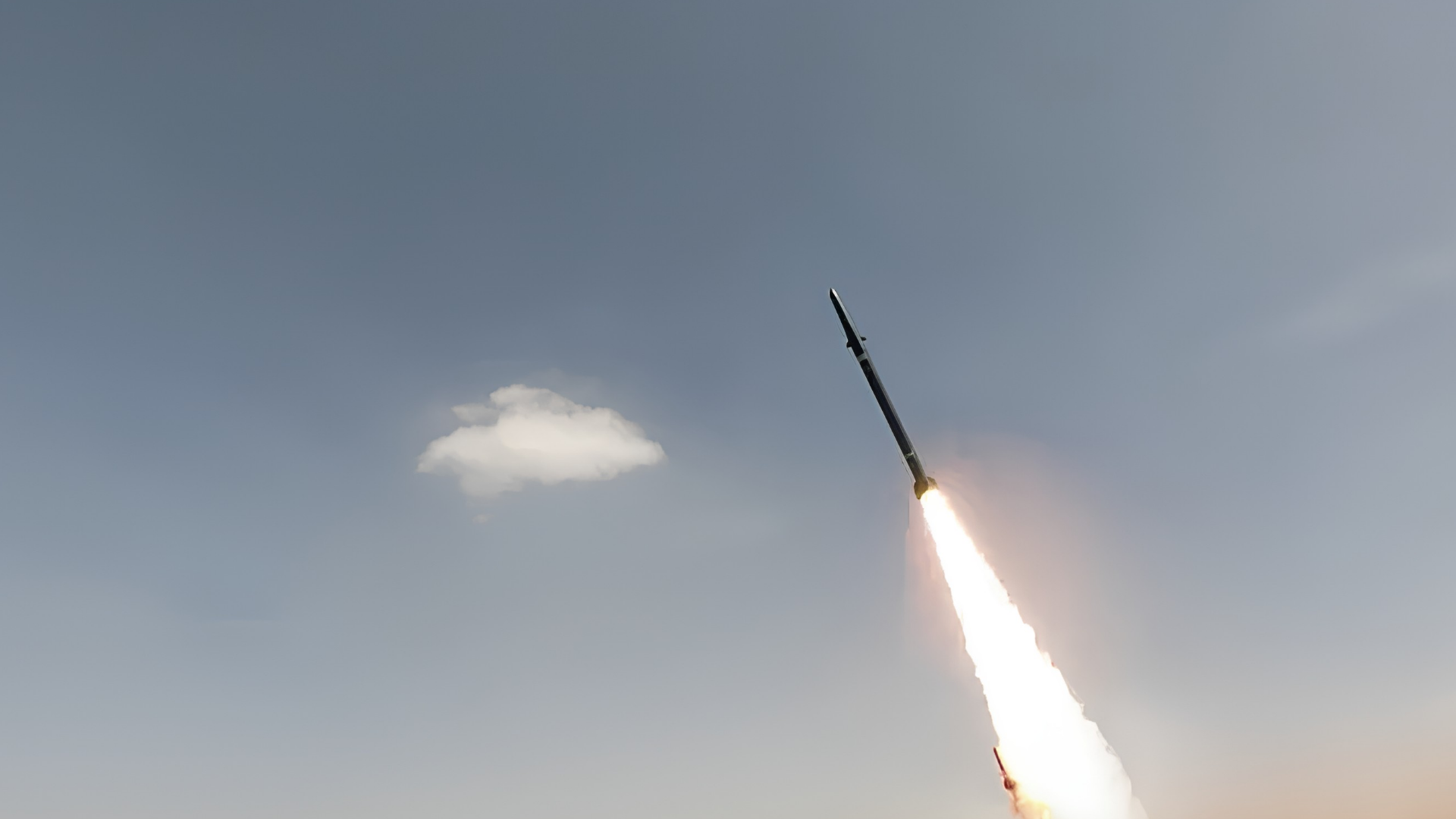
According to regional reports, Iranian missile and drone attacks struck strategic facilities including fuel storage sites, airports and other vital infrastructure, marking one of the most extensive attacks on Gulf countries since the conflict began.

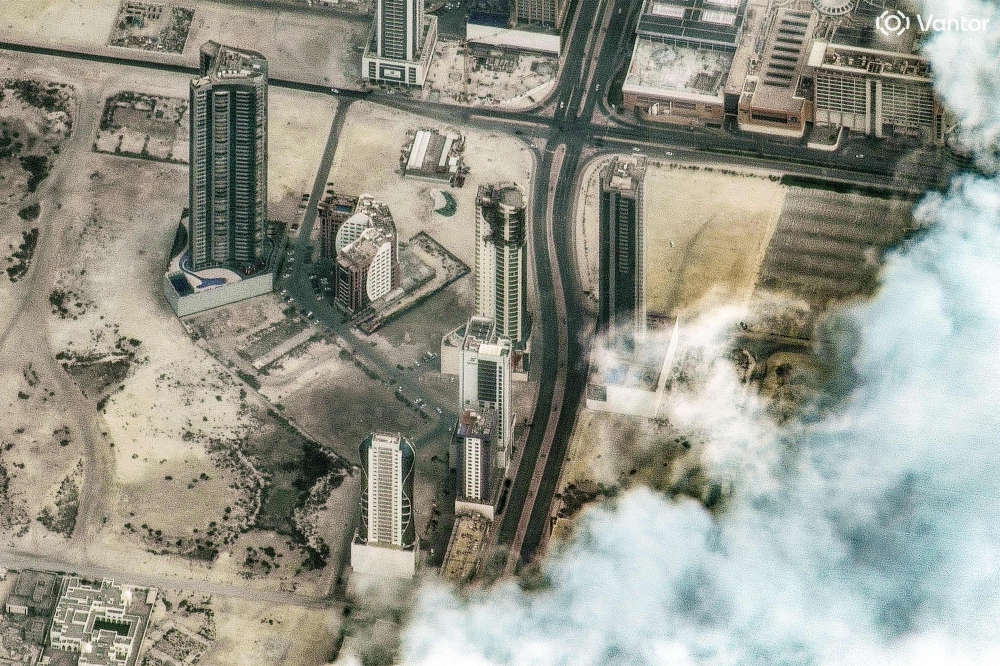
Among the locations reportedly hit were fuel tanks at Kuwait International Airport, which sustained damage following the strikes. The attacks have heightened tensions across the region and raised concerns over the safety of civilian infrastructure.
Multiple Gulf States Affected
The attacks are believed to have targeted several Gulf nations, including Kuwait, the United Arab Emirates, Bahrain, Qatar and Saudi Arabia, which host key energy and transportation facilities vital to the global economy.
Analysts say Iran’s strategy appears aimed at widening the battlefield and pressuring countries that support Western military operations against Tehran. The strikes come amid escalating hostilities following earlier attacks by the United States and Israel on Iranian targets.
Military analysts note that the conflict has already seen hundreds of missiles and drones launched across the region, signalling a dangerous expansion of the war beyond Iran’s borders.
Civilian Infrastructure Now in the Crossfire
The conflict has increasingly shifted toward civilian infrastructure, raising alarm among humanitarian organisations and governments.
Critical facilities such as energy plants, desalination facilities, ports and airports have become targets, creating risks to essential services like water supply, electricity and transport.
Experts warn that attacks on these facilities could have severe consequences for millions of residents in Gulf countries that rely heavily on desalination plants for drinking water and imported fuel supplies.
The attacks have also disrupted airport operations, energy exports and shipping routes in one of the world’s most important economic regions.
Humanitarian Crisis Growing
The expanding war has triggered growing humanitarian concerns across the Middle East, with civilians increasingly caught in the crossfire.
Aid organisations say escalating military exchanges have caused widespread damage to infrastructure and forced thousands of people to flee affected areas.
Cities across the region have reported explosions, fires and emergency evacuations as governments attempt to protect key installations and residential areas from further attacks.
The United Nations and several international governments have called for urgent de-escalation, warning that the conflict could spiral into a broader regional war if diplomatic efforts fail.
Global Economic Concerns
The escalation has also rattled global financial markets and energy supply chains.
With Gulf countries responsible for a significant portion of the world’s oil exports, attacks on regional infrastructure have raised fears of supply disruptions. Oil prices have already surged above US$100 per barrel amid concerns that the conflict could threaten shipping routes and production facilities.
Energy analysts warn that prolonged instability in the Gulf could lead to higher fuel costs worldwide and increased volatility in global markets.
Region on Edge
As tensions continue to rise, governments across the Gulf have strengthened air defence systems and security measures around critical infrastructure.
Military experts say the risk of further escalation remains high, particularly if retaliatory strikes continue between Iran and its adversaries.
For millions of civilians living across the Middle East, the widening conflict has created a climate of uncertainty, with fears that the region may be entering one of its most dangerous periods in decades.