Kuala Lumpur, Tensions in the Middle East have sharply escalated after Iran and Hezbollah launched coordinated attacks on Israel, reportedly using missiles equipped with cluster bomb warheads. The strikes mark one of the most significant developments in the ongoing regional conflict, raising fears of a broader war involving multiple countries.
According to reports from Fox News, the attacks involved Iranian ballistic missiles launched toward Israeli territory while Hezbollah forces fired rockets and drones from southern Lebanon, targeting northern and central parts of Israel.

Cluster Bomb Warheads Raise International Concern
Israeli officials claim that several of the missiles used in the attack carried cluster bomb warheads, weapons designed to release multiple smaller explosives across a wide area. These types of munitions are highly controversial because they can pose long-term risks to civilians.
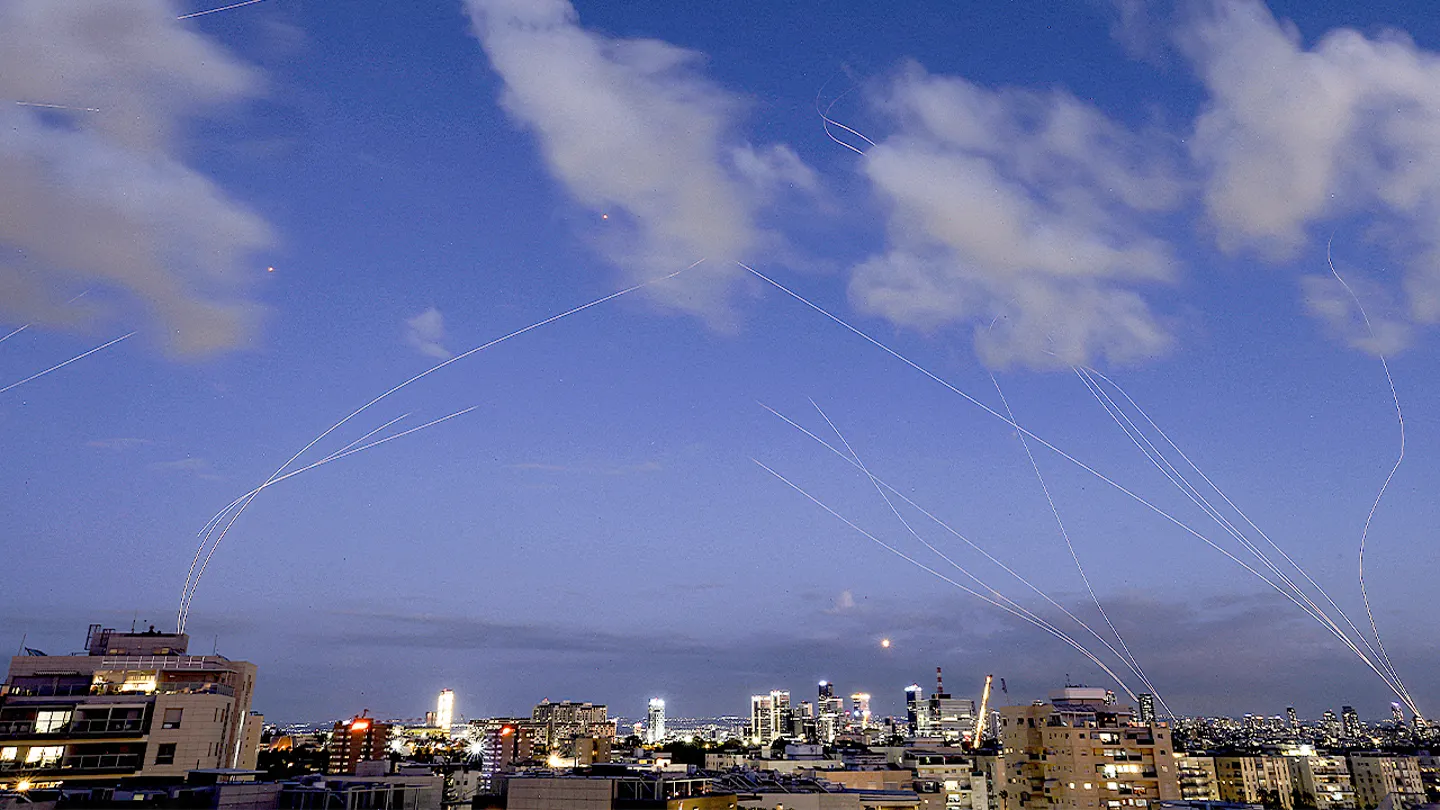
Security sources in Israel reported that air raid sirens were activated in several regions, forcing residents into shelters as missile defense systems attempted to intercept incoming threats.
Some officials also suggested that a significant portion of the missiles launched by Iran in recent strikes may carry cluster-type payloads, a tactic that could increase the difficulty of interception by missile defense systems.
Hezbollah Opens Northern Front
The involvement of Hezbollah marks a widening of the conflict beyond direct tensions between Iran and Israel. Hezbollah fighters reportedly launched rockets from southern Lebanon, creating a second front in the confrontation.
Military analysts say the coordinated timing of the attacks indicates a strategic alliance between Iran and its regional proxy forces, increasing pressure on Israeli defenses from multiple directions.
Israel Responds with Airstrikes
In response to the attacks, Israeli forces reportedly carried out airstrikes targeting Hezbollah-linked sites in Lebanon, including areas near the capital city of Beirut.
The strikes are part of Israel’s broader strategy to neutralize threats from militant groups aligned with Iran.
Risk of Wider Regional War
The coordinated strikes highlight the growing risk that the conflict could expand into a larger regional confrontation involving multiple Middle Eastern actors. Military experts warn that continued escalation between Iran, Hezbollah, and Israel could destabilize the region and impact global security and energy markets.
International observers are closely monitoring the situation as diplomatic efforts attempt to prevent further escalation.