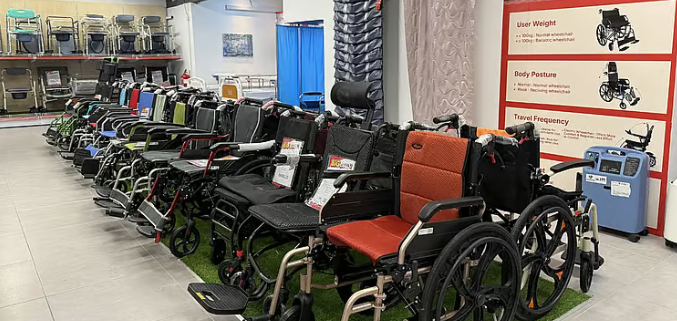
KUALA LUMPUR, March 14 — Pharmacies are increasingly playing a larger role in healthcare by offering mobility aids and assistive equipment, helping people with physical limitations maintain independence and improve their quality of life.
Traditionally known for dispensing medicines and health supplements, pharmacies are now becoming one-stop healthcare hubs, providing equipment such as wheelchairs, walking frames, crutches and other mobility support tools.

Industry players say the move responds to growing demand from ageing populations and patients recovering from injuries or surgery who require temporary or long-term mobility assistance.
Expanding Pharmacy Services
Retail pharmacy chains like BIG Pharmacy have begun offering mobility aid solutions directly in their stores. The initiative allows customers to explore and purchase assistive equipment while receiving guidance from trained pharmacy professionals.
Experts say pharmacies are well positioned to provide such services because pharmacists can advise patients on safe usage, correct sizing and maintenance of mobility equipment.
By integrating these products into pharmacies, patients and caregivers can avoid the inconvenience of visiting multiple medical suppliers when seeking mobility support.
Supporting Ageing Populations
The demand for mobility aids is expected to increase as populations across Asia continue to age. Many elderly individuals require devices such as walkers or wheelchairs to remain active and independent.
Healthcare professionals say improved access to these aids can reduce fall risks, support rehabilitation and enhance daily mobility, allowing individuals to carry out everyday tasks with greater confidence.
Families caring for elderly relatives often struggle to identify the right equipment, and pharmacy-based services can provide convenient consultations and product recommendations.
Improving Accessibility to Assistive Devices
Making mobility aids available through pharmacies also improves accessibility for people living in urban areas, where pharmacies are widely available and easy to reach.
Experts believe this approach could eventually evolve into a broader healthcare service model, where pharmacies offer a wider range of assistive technologies alongside medicines and health advice.
Such initiatives highlight the growing role of community pharmacies in delivering holistic healthcare services, particularly for patients managing chronic conditions or recovering from injuries.
As healthcare needs evolve, pharmacies are expected to continue expanding their services to include products and support systems that help people live healthier, more independent lives.