GENEVA, March 14 — The United Nations human rights chief Volker Türk has raised concerns about China’s newly adopted Law on Promoting Ethnic Unity and Progress, warning it could restrict cultural and religious freedoms for minority communities.
Speaking on Friday, Türk said the legislation could potentially limit the ability of ethnic groups to practice their religion and preserve cultural traditions, particularly in regions with large minority populations.

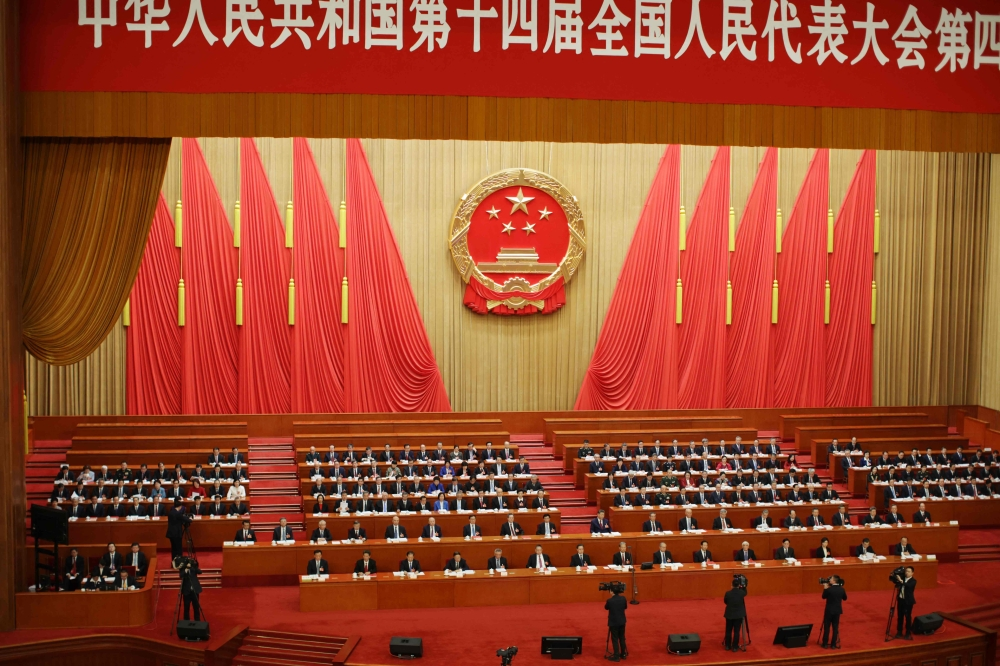
The law was approved on March 12 by the National People’s Congress, China’s top legislative body, and is scheduled to take effect on July 1, 2026. It aims to strengthen national unity among China’s 56 officially recognised ethnic groups and promote a shared Chinese national identity.
Concerns Over Cultural and Religious Freedom
Under the legislation, Mandarin is reinforced as the “national common language” for use in education, government administration and public services. While Chinese authorities say the law promotes equality and cohesion among ethnic groups, critics argue it could weaken minority languages and traditions.
Human rights organisations have warned that the policy could accelerate cultural assimilation, particularly affecting minority communities such as Uyghurs in Xinjiang, Tibetans, and Mongolians.
Analysts say the legislation formalises policies that encourage integration with the country’s majority Han Chinese culture, while critics fear it could be used to justify restrictions on cultural expression or political dissent among ethnic minorities.
Beijing Defends the Law
Chinese authorities have defended the new legislation, saying it aims to promote unity, development and social stability among the country’s diverse ethnic groups. According to official statements, the law provides a legal framework for strengthening national cohesion and improving economic development in minority regions.
The government maintains that the policy supports equal development opportunities, improved infrastructure and better public services in ethnic minority areas while encouraging greater integration across communities.
Global Attention on Minority Rights
The debate surrounding the law comes amid ongoing international scrutiny over China’s policies in regions such as Xinjiang and Tibet, where rights groups have long raised concerns over restrictions on religion, language and cultural practices.
The United Nations has repeatedly called for stronger protections for minority communities and urged China to ensure that national policies fully respect international human rights standards.
Türk’s comments highlight growing global concern that policies aimed at promoting national unity could inadvertently erode cultural diversity and minority rights if not implemented with safeguards.