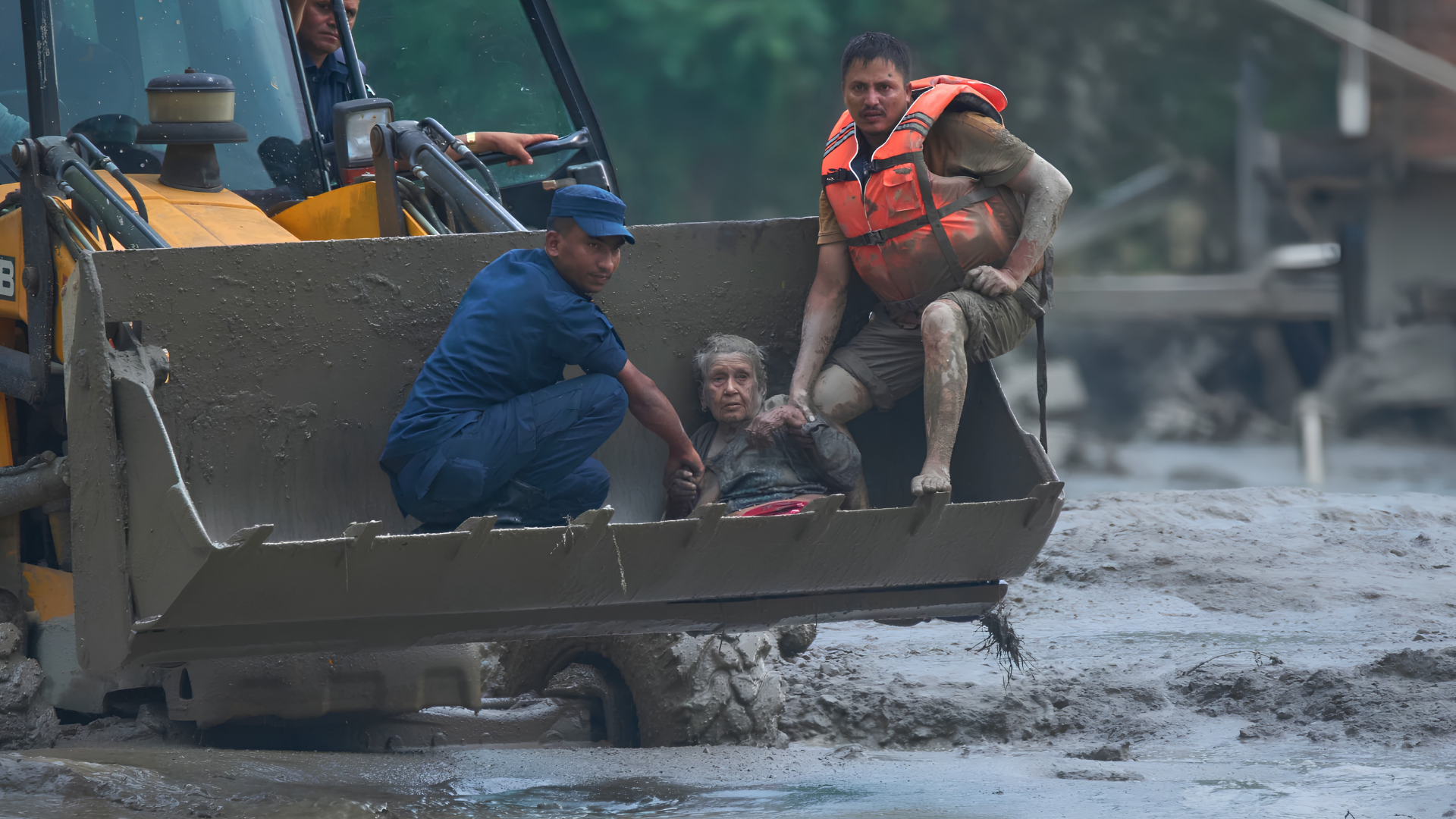
KUALA LUMPUR, AUGUST 2026 — Rescue operations continued across flood-hit areas of Nepal on Friday, August 28, as emergency teams searched for survivors and victims following one of the country’s deadliest recent natural disasters.
Nepal Police confirmed that the death toll had risen to at least 469. Hundreds more remain missing, with authorities expanding search operations along the Bhotekoshi and Trishuli river systems and into downstream districts.

The disaster began on Wednesday after a massive glacier and rock collapse near the Nepal-Tibet border released an enormous flow of ice, mud, rocks and water into Himalayan rivers. The powerful flood swept through villages and valleys, destroying homes, roads, bridges and power infrastructure. Satellite analysis has also shown significant changes to the affected river system following the collapse.
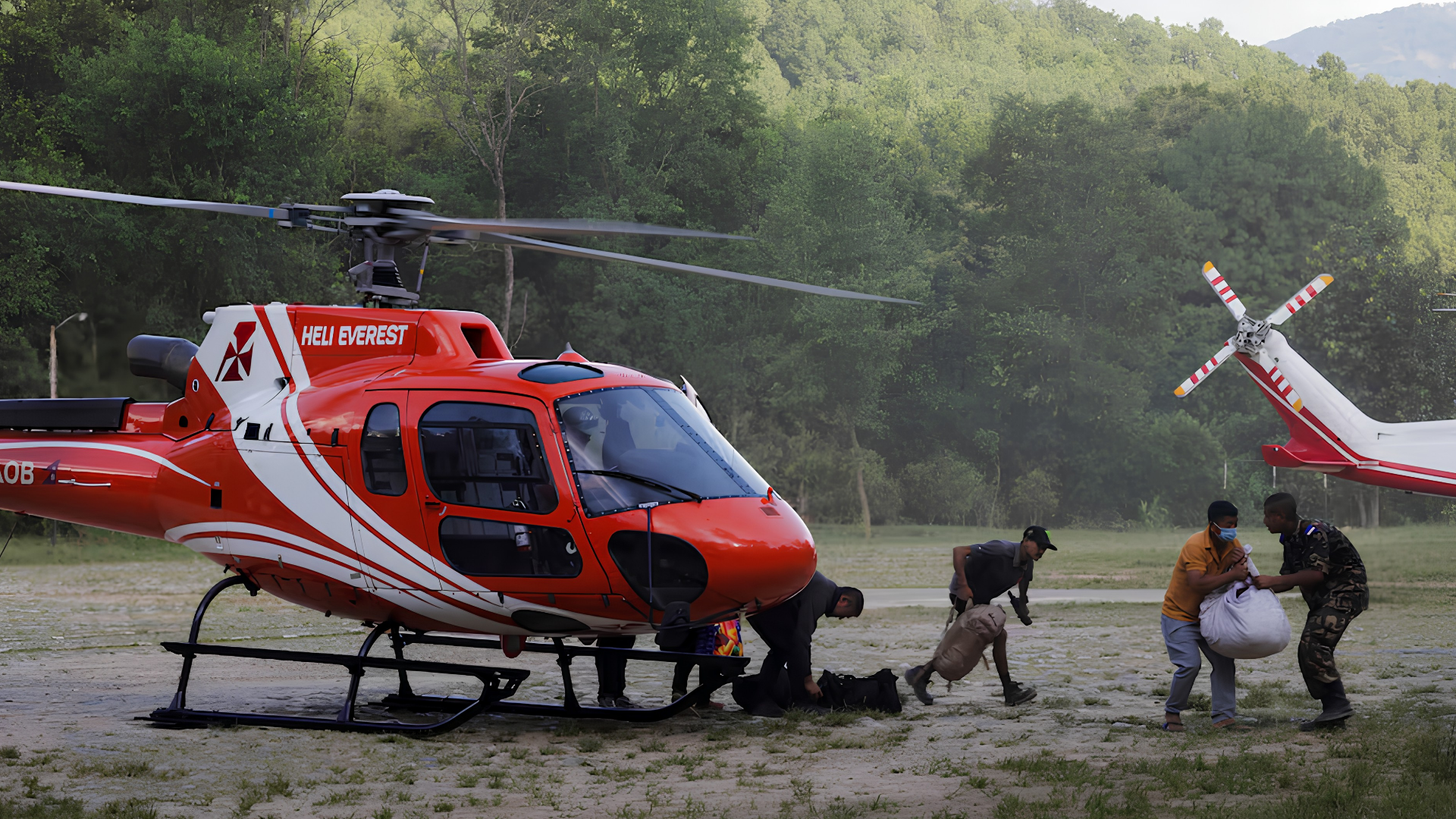
Rescue teams are using heavy machinery, helicopters and sniffer dogs to search through debris. Emergency supplies are also being delivered to communities cut off after roads and bridges were destroyed.
At least 540 foreign nationals are among those reported missing across the affected region, many of them tourists, trekkers and pilgrims travelling between Nepal and Tibet.
Authorities are now facing another major concern as debris from the disaster has blocked several rivers and created unstable lakes.
Nepal’s disaster management authorities warned that a lake formed after debris blocked the Bhotekoshi River was continuing to rise. Chinese authorities are also monitoring a barrier lake on the Tibetan side of the border, raising fears that a sudden breach could trigger another dangerous flood downstream.
Engineering teams are monitoring water levels and studying ways to safely release water from the newly formed lakes while emergency workers continue searching affected communities.
Nepalese Prime Minister Balendra Shah said saving lives, locating missing people, treating the injured and delivering emergency assistance remain the government’s main priorities.
The scale of the disaster has also renewed concerns over the vulnerability of Himalayan communities to glacier instability, extreme weather and other climate-related hazards. Scientists have warned that warming temperatures can increase instability in glaciers and mountain environments, although research into the precise causes and climate contribution to this particular event continues.