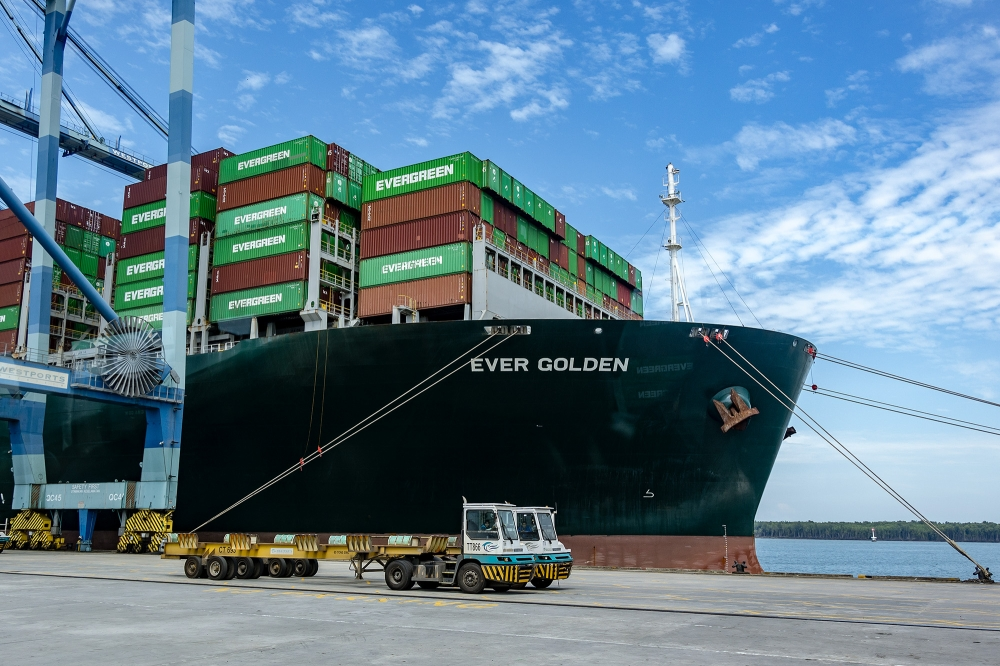
KUALA LUMPUR, March 17, 2026 — The Federation of Malaysian Manufacturers (FMM) has raised concerns that escalating geopolitical tensions in West Asia could significantly increase freight, fuel, and fertiliser costs, potentially leading to higher prices of goods across Malaysia.
According to the manufacturing group, ongoing instability in the region has already begun to disrupt global supply chains, with immediate impacts including higher shipping costs, delivery delays, and rising production expenses linked to energy prices.

FMM noted that the situation is being exacerbated by disruptions along critical global shipping routes, particularly around the Strait of Hormuz, a key artery for global oil and gas transport. Recent conflicts have led to reduced vessel movement and increased risks for shipping operators, resulting in surcharges and longer delivery times.
Rising Costs Across Key Sectors
Manufacturers warn that the knock-on effects of higher logistics and fuel costs are likely to be felt across multiple sectors, especially those heavily dependent on imports and global supply chains.
Among the most affected areas:
- Fuel costs — impacting transportation and production
- Freight charges — increasing import/export expenses
- Fertiliser prices — affecting agriculture and food production
These combined pressures could ultimately lead to cost-push inflation, with businesses passing increased expenses on to consumers.
Global Energy Crisis Driving Pressure
The situation is closely tied to the broader energy market volatility triggered by geopolitical conflict. Disruptions in oil supply have already pushed global prices above US$100 per barrel, raising concerns over sustained inflationary pressure worldwide.
Analysts note that Asia-Pacific economies, including Malaysia, are particularly vulnerable due to their reliance on energy imports and global trade flows. As shipping routes become riskier and more expensive, companies may face prolonged cost challenges.
Impact on Malaysian Economy
FMM cautioned that Malaysian manufacturers may struggle to absorb the rising costs, especially small and medium enterprises (SMEs), which operate on tighter margins.
If the situation persists, consumers could see higher prices for essential goods, including food, construction materials, and manufactured products. Businesses may also face reduced competitiveness in international markets due to higher operating costs.
Call for Monitoring and Mitigation
The federation has urged authorities and industry players to closely monitor developments and implement measures to mitigate the impact, including improving supply chain resilience and exploring alternative sourcing strategies.
At the same time, policymakers are expected to assess the potential need for price controls or targeted subsidies to cushion the impact on consumers, particularly ahead of major festive periods when demand typically rises.
Outlook Remains Uncertain
While Malaysia has some resilience as a commodity-producing nation, experts warn that continued instability in West Asia could prolong economic uncertainty, affecting trade flows, inflation levels, and overall business confidence.
In summary, the FMM’s warning highlights a growing concern that global geopolitical tensions are beginning to translate into real economic pressures at home, with rising costs likely to ripple across Malaysia’s economy in the near term.