BEIJING, March 16, 2026 — China’s economy recorded a stronger-than-expected start to 2026, with key indicators such as retail sales and industrial output outperforming forecasts, signaling early momentum as policymakers push to stabilise growth.
Official data from China’s National Bureau of Statistics showed that retail sales grew 2.8% year-on-year in January and February, exceeding economists’ expectations of around 2.5%. The figures indicate a modest but improving recovery in domestic consumption, which Beijing has been actively promoting as a key growth driver.

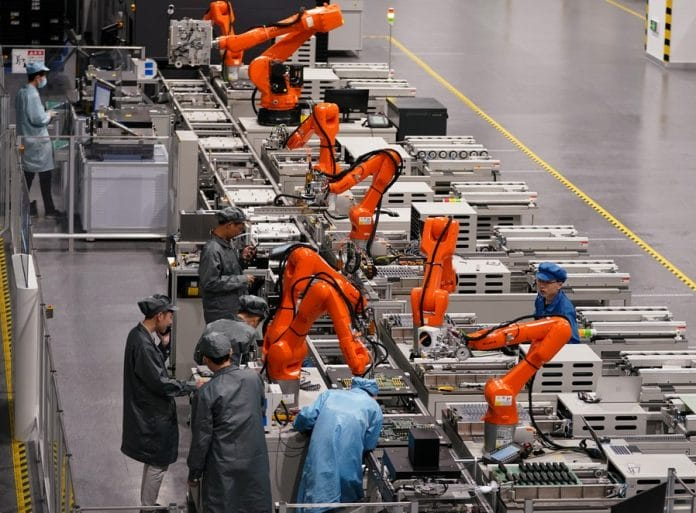
At the same time, industrial production expanded by 6.3%, accelerating from 5.2% in December and beating forecasts of about 5.3%. The stronger output reflects robust export demand and continued resilience in the manufacturing sector despite global uncertainties.
China typically combines economic data for the first two months of the year to smooth out distortions caused by the shifting Lunar New Year holiday, which can affect consumption and production patterns.
Investment and Employment Trends
Fixed-asset investment, a key measure of infrastructure and property spending, rose 1.8%, returning to positive territory after a decline last year. This suggests some stabilisation in investment activity amid ongoing policy support.
However, the outlook remains mixed as China’s urban unemployment rate edged up to 5.3%, the highest level since August, indicating continued pressure in the labour market.
Growth Drivers and Challenges
Economists say the early-year performance reflects a combination of strong exports, improving domestic demand, and policy support measures aimed at reviving the world’s second-largest economy.
Still, structural challenges persist — particularly the ongoing property sector downturn, which continues to weigh on consumer confidence and investment sentiment. Authorities are increasingly focusing on shifting growth toward consumption rather than relying heavily on debt-driven infrastructure spending.
Global Risks and Outlook
Analysts warn that external factors, including geopolitical tensions in the Middle East, could pose risks to China’s economic outlook, especially given the country’s reliance on imported energy resources.
In addition, uncertainty surrounding global trade conditions and upcoming diplomatic developments — including a potential meeting between China and US leaders — may influence investor sentiment and economic direction in the months ahead.
Cautious Optimism Ahead
Overall, China’s early 2026 data points to encouraging momentum, with stronger-than-expected retail and industrial activity offering signs of recovery. However, economists stress that sustained growth will depend on continued policy support, stronger consumer confidence, and stability in global markets.