KUALA LUMPUR – The humanitarian landscape in Iran has reached a critical breaking point following a series of devastating military strikes by Israel that specifically crippled the nation’s medical infrastructure. According to official reports released today, at least 53 hospitals across several provinces have been confirmed destroyed or rendered completely inoperable, marking one of the most significant blows to a civilian healthcare network in recent history.
The scale of the destruction has sent shockwaves through the international community, as the loss of these facilities leaves millions of civilians without access to life-saving treatments, emergency surgeries, and maternal care.

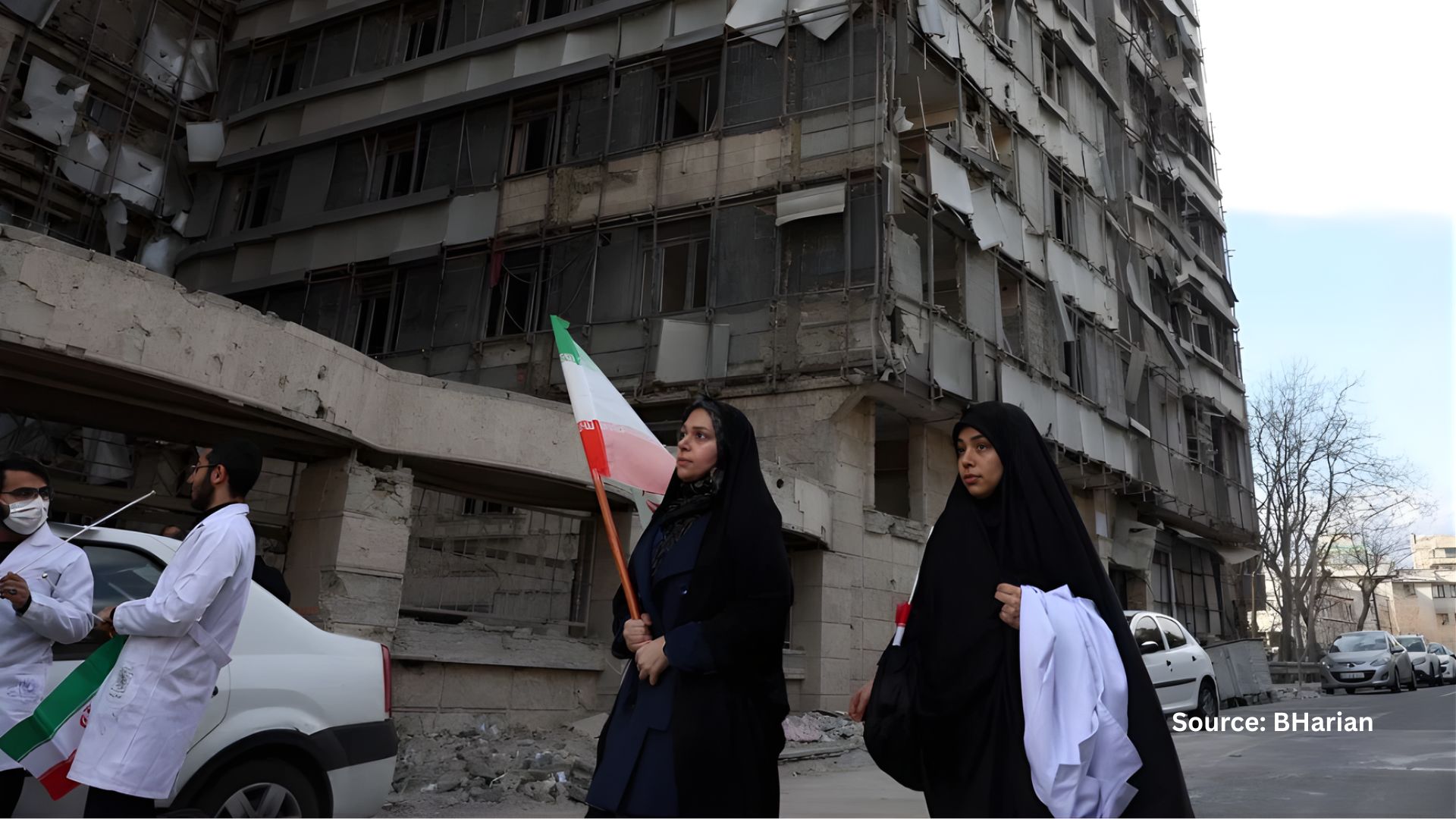
The targeted airstrikes have systematically dismantled the backbone of Iran’s medical services. The 53 facilities identified in the report include major teaching hospitals, specialized trauma centers, and regional clinics.
Initial assessments from ground teams describe scenes of absolute devastation. In many locations, multi-story medical wings have been reduced to heaps of twisted metal and concrete. The destruction includes:
- Critical Equipment Loss: High-tech diagnostic tools, including MRI and CT scanners, as well as essential life-support systems like ventilators and dialysis machines, have been vaporized or crushed.
- Pharmaceutical Depletion: Central pharmacies within these hospitals, housing specialized medications for oncology, diabetes, and heart disease, have been buried under rubble, cutting off the supply chain for chronic patients.
- Emergency Infrastructure: Strategic ambulance bays and oxygen generation plants were among the first assets hit, effectively paralyzing any mobile medical response.
With over 50 hospitals out of commission, the remaining functional clinics are being overwhelmed by a massive influx of both war-wounded and regular patients. Medical professionals on the ground report that they are being forced to perform complex surgeries in hallways and makeshift tents without adequate anesthesia or sterile environments.
“We are no longer practicing medicine; we are practicing triage in a graveyard,” said one surgeon based in a severely hit urban center. “When you destroy 53 hospitals, you aren’t just hitting buildings; you are sentencing thousands of patients in ICUs and neonatal wards to a slow death.”
The evacuation of these hospitals has been a logistical nightmare. Thousands of patients, some mid-surgery or on life support, had to be moved under fire. The lack of functional Intensive Care Units (ICUs) has already led to a spike in mortality rates among the elderly and those with pre-existing critical conditions.
The international response has been swift and filled with condemnation. Under the Geneva Conventions, hospitals and medical units are granted “protected status” during armed conflict. The deliberate or indiscriminate targeting of such a high number of medical facilities is being flagged by human rights organizations as a potential war crime.
Tehran has officially called upon the United Nations and the World Health Organization (WHO) to intervene. The Iranian Ministry of Health is pleading for the establishment of “safe zones” and the immediate deployment of international field hospitals to prevent a total public health disaster.
As rescue teams continue to sift through the ruins of these 53 facilities, the focus shifts to how the population will survive the coming weeks. Without a functioning hospital network, the risk of infectious disease outbreaks and untreated trauma is skyrocketing.
International aid agencies are currently negotiating for a “medical corridor” to allow the delivery of blood bags, surgical kits, and portable generators. However, with the infrastructure in such a state of ruin, the road to rebuilding Iran’s healthcare capability is expected to take decades, leaving a generation of citizens at risk.