Kuala Lumpur, Amid rising geopolitical tensions in the Middle East, the world is once again reminded of its deep dependence on oil. When conflict escalates, fuel prices surge, supply chains are disrupted, and uncertainty becomes unavoidable.
In this context, electric vehicles (EVs) are often presented as the perfect solution. And to a certain extent, that claim is valid.

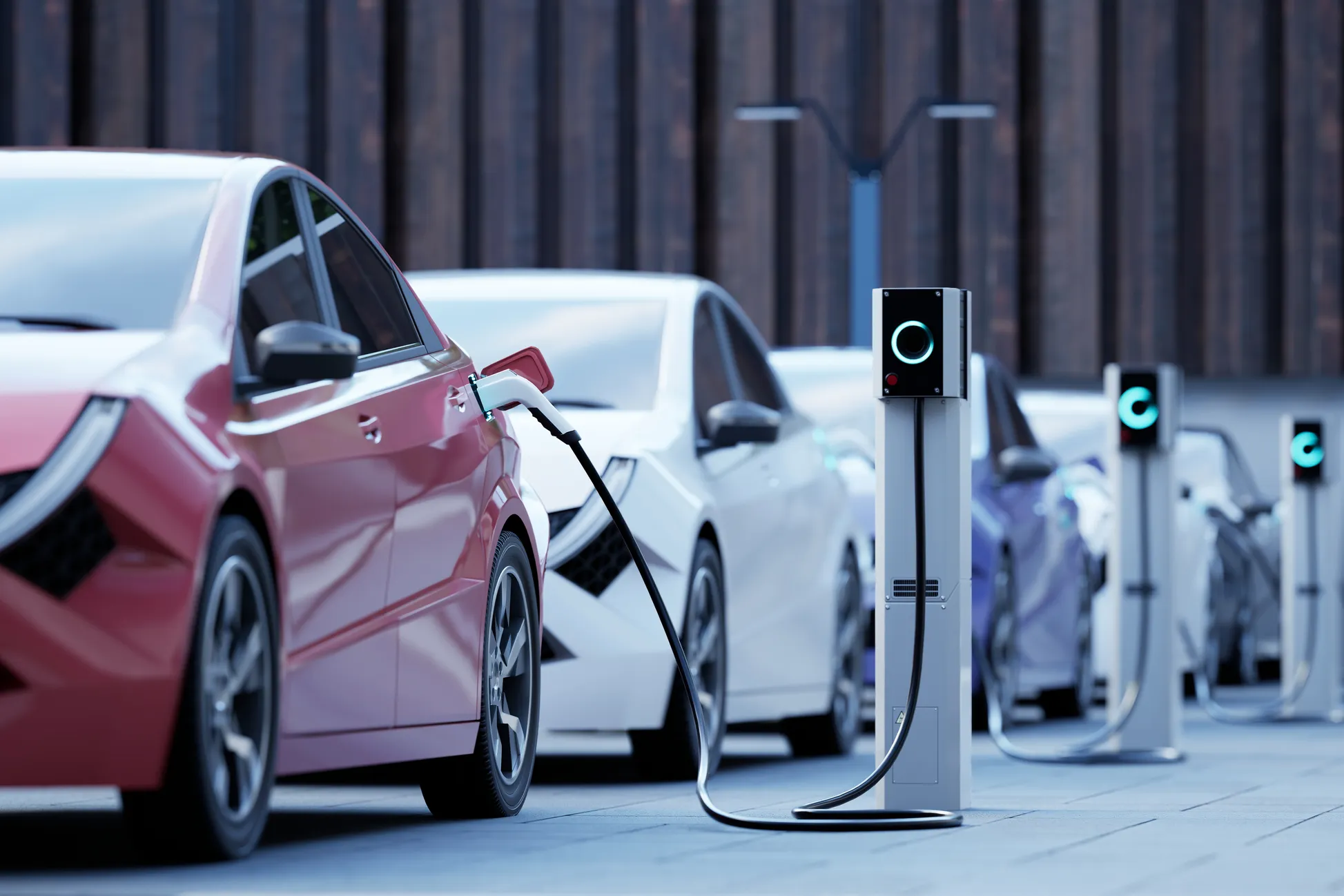
EVs offer independence from fuel, protection against volatile oil prices, and a sense of stability during global crises. In countries like Malaysia, adoption is already accelerating, with local brands such as Proton leading the market and proving that EVs are no longer just a luxury concept, but a growing reality.
However, acknowledging EVs as a solution does not mean they are without flaws.
The narrative that EVs represent the ultimate future of transportation deserves to be questioned.
First, EVs are still heavily dependent on electricity infrastructure—something that is not equally stable or accessible in all regions. In many cases, electricity itself is still generated from fossil fuels, which raises an important contradiction: are we truly reducing dependence on oil, or simply shifting it elsewhere?
Second, the production of EV batteries relies on materials such as lithium and rare earth elements, which come with their own environmental and geopolitical challenges. This creates a new form of dependency—one that may become just as complex as oil in the long run.
Third, affordability and accessibility remain key issues. While adoption is growing, EVs are still not fully inclusive for all levels of society, especially in developing regions.
From this perspective, EVs may be a short-term solution to current problems, but not necessarily the perfect long-term answer.
.
.
.