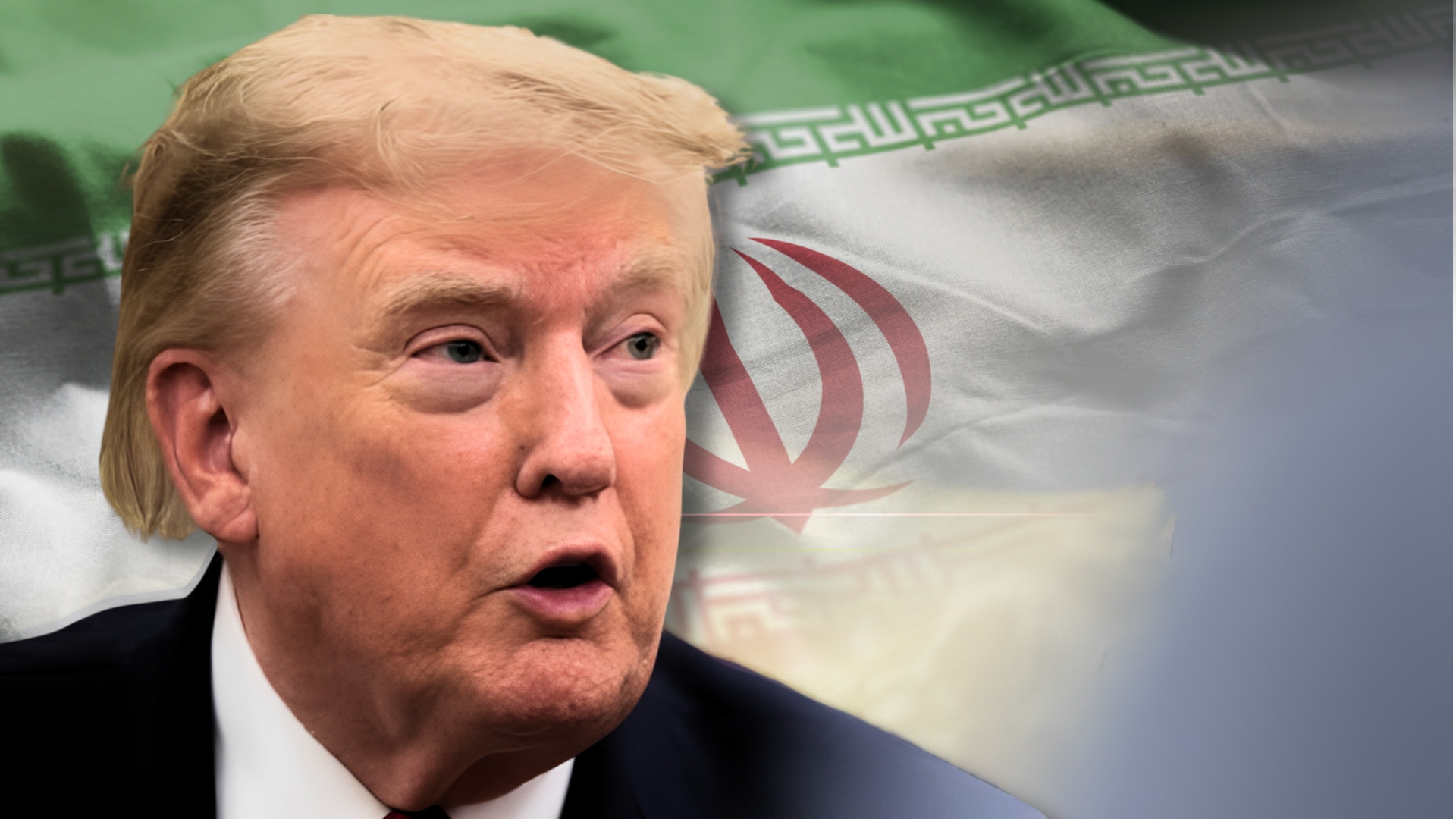
KUALA LUMPUR, AUGUST 2026 — United States President Donald Trump said there are currently no negotiations or discussions taking place with Iran, and no talks have been scheduled between the two countries. His statement signals a fresh setback in diplomatic efforts to revive discussions between Washington and Tehran.
Trump made the remarks through his Truth Social platform, where he also said the US naval blockade remains in full force. According to Trump, the Strait of Hormuz remains open and operational, while all sea mines in the area have either been removed or detonated.

The statement comes amid growing uncertainty over the status of US-Iran engagement, especially after earlier signs that both sides had held positive discussions. Trump’s latest position suggests that any momentum toward renewed negotiations has now stalled.
A report citing a US official said Trump had instructed senior members of his administration to stop discussions with Iran. The instruction was reportedly given to his negotiation team, including Vice President JD Vance, envoy Steve Witkoff and Jared Kushner, following earlier talks described as positive.
Kushner was in Israel on Monday to meet Prime Minister Benjamin Netanyahu, with regional issues including the Gaza Strip among the matters discussed. After the meeting, Kushner said communication between the United States and Iran had become stronger than before.
However, Trump’s latest statement has changed the tone of the situation. By declaring that no talks are underway or planned, the US president has placed renewed focus on Washington’s pressure campaign and naval operations in the region.
The Strait of Hormuz remains a key global shipping route, especially for international energy trade. Any disruption in the area can quickly affect oil markets, shipping costs and broader global economic sentiment.
Trump’s claim that the strait is open and operating contrasts with continued regional tensions. A separate report stated that Iran maintained the route would remain closed until the United States fulfilled conditions linked to an interim deal, including lifting its blockade of Iranian ports and removing oil sanctions.
The latest development follows months of fragile diplomatic movement between Tehran and Washington. Both sides had previously agreed to a ceasefire in April before signing a memorandum of understanding in June aimed at ending military conflict and reaching a lasting peace agreement.
That agreement, however, collapsed last month after Iran and the United States launched attacks against each other for nearly two weeks. Trump later halted the bombing campaign while efforts were being made to revive the agreement.
The breakdown in talks raises fresh questions over whether both sides can return to diplomacy or whether tensions will continue to be managed through military pressure and regional deterrence.
For the United States, maintaining the naval blockade appears to be part of a broader strategy to pressure Iran while keeping control over maritime activity in the Gulf region.
For Iran, the issue remains tied to sanctions, port access, frozen assets and the broader conditions of any peace arrangement with Washington.
The situation is being closely monitored by global markets because the Strait of Hormuz is one of the world’s most important maritime chokepoints. Even limited instability in the area can influence energy prices and investor sentiment.
Trump’s latest remarks also underline the fragile nature of US-Iran diplomacy. Earlier optimism over communication between both sides has now been overshadowed by the announcement that no negotiations are currently taking place.
As regional tensions continue, the international community will be watching whether Washington and Tehran return to the negotiating table or continue on a path of confrontation.