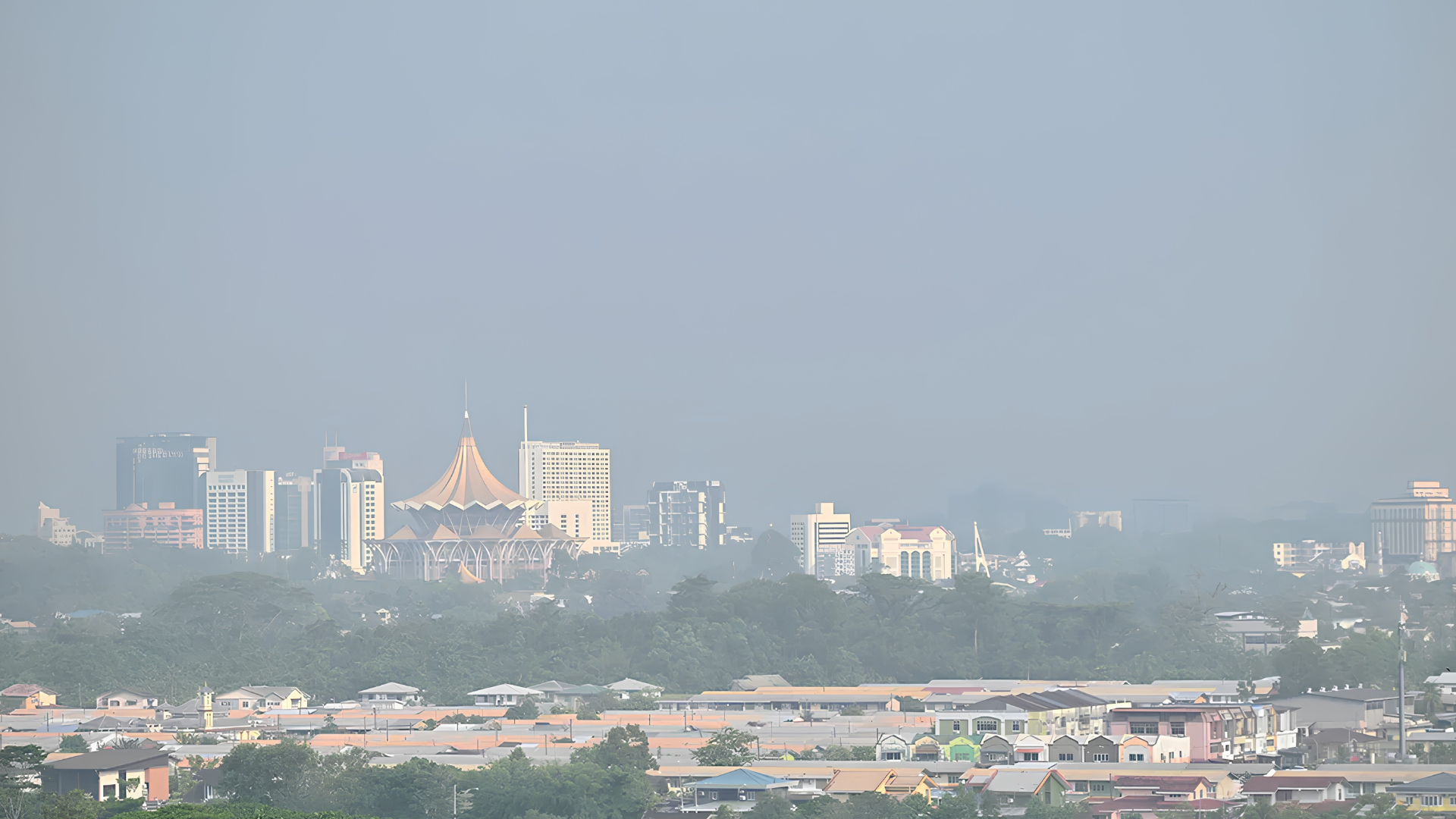
KUALA LUMPUR, AUGUST 2026 — Haze should not be regarded simply as a seasonal inconvenience, as prolonged exposure to polluted air can pose significant health risks to children, particularly those under five and those with existing respiratory conditions.
In an article by Dr Siti Nurshahida Nazli from the Department of Environmental Health, Faculty of Health Sciences, Universiti Teknologi MARA (UiTM) Penang Branch, Bertam Campus, children were identified as particularly vulnerable because their lungs and body systems are still developing. They also breathe more rapidly than adults, potentially increasing the amount of pollutants inhaled relative to their body size.
The World Health Organization (WHO) similarly identifies children as one of the population groups more susceptible to illnesses associated with air pollution. Fine particulate matter can penetrate deep into the lungs, while high exposure levels can reduce lung function, aggravate asthma and increase the risk of respiratory infections.

Children exposed to haze may experience symptoms including coughing, sore throat, shortness of breath, watery eyes and irritation of the respiratory tract. Those who already have asthma or other respiratory problems may experience worsening symptoms when air quality deteriorates.
The article also highlighted Malaysian research linking haze episodes with increased hospital admissions for respiratory illnesses, with children below the age of five potentially experiencing more serious effects during severe or prolonged haze conditions.
WHO says both short- and long-term exposure to air pollution can affect health. High levels of particulate matter can lead to reduced lung function, respiratory infections and aggravated asthma even after short-term exposure.
Malaysia’s Ministry of Health classifies children, the elderly, pregnant women and people with heart or respiratory diseases among groups considered particularly vulnerable during haze episodes.
When Malaysia’s Air Pollutant Index reaches 101 to 200, classified as unhealthy, high-risk groups are advised to limit outdoor activities and use appropriate respiratory protection when they need to go outside. The general public is also advised to reduce strenuous outdoor activities.
At API readings between 201 and 300, classified as very unhealthy, high-risk groups are advised to remain indoors or inside buildings and reduce physical activity