KUALA LUMPUR, AUGUST 2026 — Sabah Chief Minister Datuk Seri Hajiji Noor has expressed hope that cooperation between Sabah and the United States will continue to strengthen, with both sides building partnerships based on mutual respect and shared interests.
Hajiji said Sabah-US relations extend beyond government-to-government engagement, involving students, entrepreneurs, researchers, conservationists and communities that have developed various forms of cooperation over the years.

He said partnerships focused on sustainability, opportunity and mutual respect could help Sabah and the United States contribute to a more prosperous and secure future.
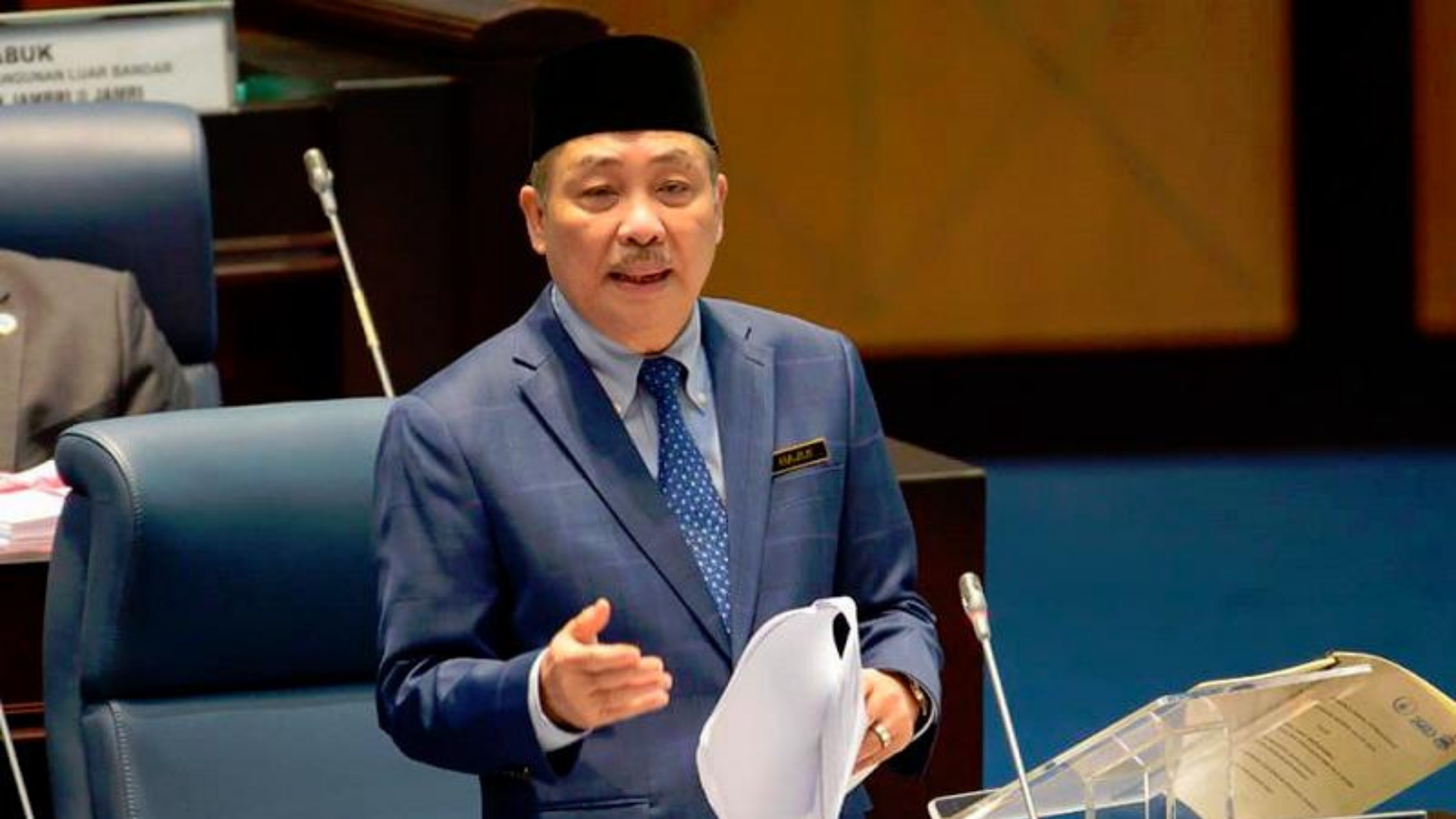
His remarks were delivered by Sabah Deputy Chief Minister II and Finance Minister Datuk Seri Masidi Manjun during the Freedom 250 Reception, held in conjunction with the 250th anniversary of United States independence in Kota Kinabalu.
Among those present were US Assistant Secretary of State for Educational and Cultural Affairs Catherine Dillon and US Embassy in Malaysia Chargé d’Affaires David H. Gamble Jr.
Hajiji said Sabah’s relationship with the United States exists within the broader Malaysia-US partnership, creating opportunities for cooperation in several strategic sectors.
These include trade, education, environmental conservation, tourism, innovation and maritime security.
He highlighted Sabah’s strategic position in Southeast Asia and its links to expanding regional and global markets, saying the state offers significant potential through its natural resources, growing tourism industry, renewable energy, agriculture, manufacturing, digital innovation and blue economy.
The state government is seeking to attract more investment into areas including high-value agriculture, downstream processing, ecotourism, clean energy, logistics, digital services and sustainable resource development.
Hajiji said the Sabah government remains committed to improving connectivity, facilitating investment and creating an environment where businesses can expand with greater confidence.
Hajiji also highlighted the long history of interaction between Sabah and the United States.
He traced those links back to 1865, before the formation of Malaysia, when American consul to Brunei Claude Lee Moses obtained rights to an area near the Kimanis River and established a settlement known as Ellena for agricultural activities.
The relationship expanded over subsequent decades. Hajiji noted that the USS Bennington visited Sandakan in 1899, while American companies began exploring oil opportunities in Sabah in the early 20th century.
American botanists later conducted studies of Sabah’s forests, while documentary filmmakers Osa and Martin Johnson travelled through what was then British North Borneo to document wildlife and indigenous cultures.
Educational exchanges have also played an important role in the relationship.
Generations of Sabahans have gained experience through programmes involving Peace Corps volunteers, Fulbright educators and the American Corner at Universiti Malaysia Sabah.
US-linked companies including ConocoPhillips, McDermott and Baker Hughes have also contributed to Sabah’s energy sector while supporting employment, schools and clean-water initiatives, Hajiji said.
Cooperation has extended into maritime security through regular ship visits and programmes such as Pacific Partnership, which Hajiji said have contributed to strengthening the security of Sabah’s waters and communities.
Environmental conservation is another major area of collaboration.
Joint initiatives have supported locations including Tun Mustapha Park, Danum Valley and the Bornean Sun Bear Conservation Centre, helping protect Sabah’s biodiversity while supporting the development of sustainable nature-based tourism.
Hajiji’s message reflects Sabah’s broader ambition to strengthen international partnerships while attracting investment into sectors capable of delivering sustainable economic growth.
The state is positioning areas such as renewable energy, high-value agriculture, ecotourism, logistics and the digital economy as increasingly important components of its future development.
At the same time, cooperation in education, environmental protection and maritime security provides opportunities for Sabah and the United States to expand their relationship beyond conventional trade and investment.
Hajiji said the priority now is to deepen existing cooperation and turn potential opportunities into tangible, long-term achievements.
With Sabah strategically located within Southeast Asia and pursuing greater connectivity with regional and international markets, stronger engagement with the United States could support the state’s efforts to attract investment, develop talent and build a more sustainable economy in the years ahead.