SALT LAKE CITY, March 25 — Colon cancer, also known as colorectal cancer, has become the leading cause of cancer-related deaths among adults under the age of 50, according to recent medical studies and he
For decades, colorectal cancer was primarily associated with older adults, typically affecting people over the age of 50. However, medical data now shows a troubling shift, with an increasing number of cases being diagnosed in younger adults in their 20s, 30s, and 40s.

Researchers say deaths from colorectal cancer among people under 50 have increased by about 1.1 percent annually since the mid-2000s, even as mortality rates for other major cancers have declined during the same period.
Health experts believe several factors may be contributing to the rise in early-onset colorectal cancer, including dietary changes, rising obesity rates, sedentary lifestyles, environmental exposures, and changes in gut microbiome health. However, scientists say the exact cause is still not fully understood.
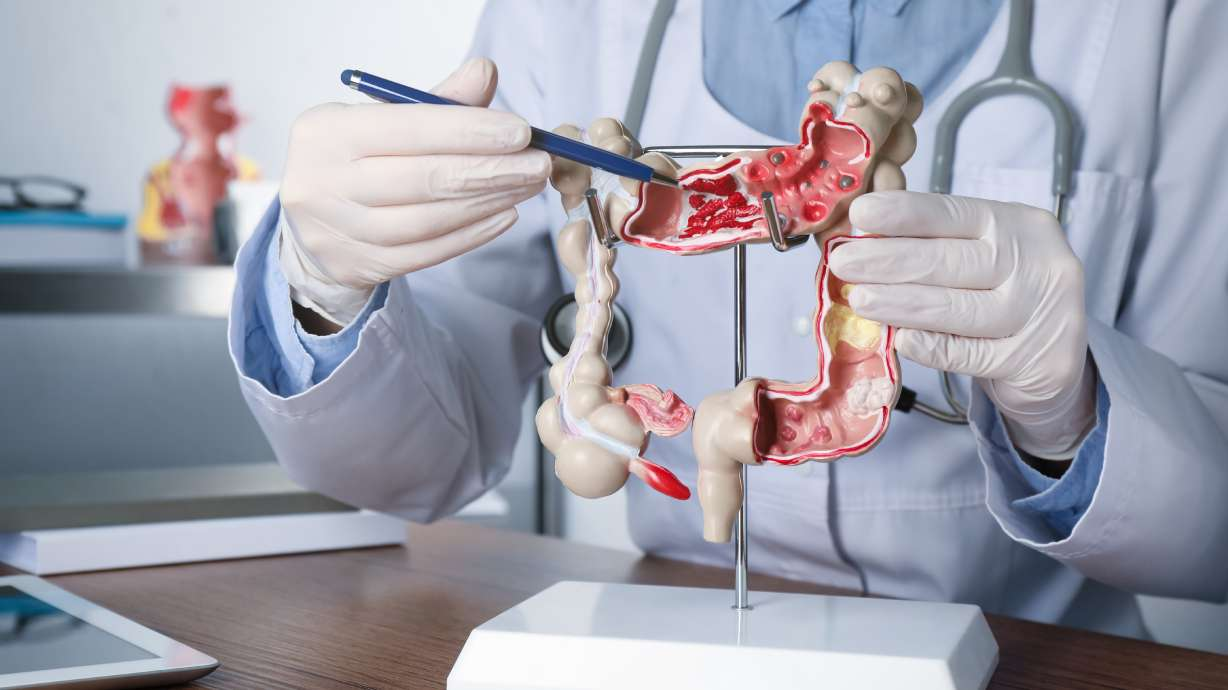
Colorectal cancer develops in the colon or rectum, parts of the large intestine responsible for digesting food and removing waste from the body. The disease often begins as small growths known as polyps, which can eventually develop into cancer if left untreated.
Doctors say one of the biggest challenges with colorectal cancer in younger adults is that the disease is often diagnosed too late. Many younger people ignore symptoms or assume they are caused by less serious conditions such as hemorrhoids or digestive problems.
Common warning signs of colorectal cancer include:
- Blood in the stool or rectal bleeding
- Persistent changes in bowel habits, including diarrhea or constipation
- Abdominal pain or cramping
- Unexplained weight loss
- Fatigue or weakness
- A feeling that the bowel does not empty completely
Medical experts say individuals experiencing persistent symptoms for more than a few weeks should seek medical attention immediately, regardless of age.
Early detection is considered the most effective way to reduce the risk of death from colorectal cancer. Screening tests can detect the disease at an early stage or identify precancerous polyps before they develop into cancer.
One of the most effective screening methods is a colonoscopy, a medical procedure in which doctors use a thin flexible tube with a camera to examine the inside of the colon. During the procedure, doctors can also remove suspicious polyps, preventing them from turning into cancer.
Because of the growing number of cases among younger adults, major health organizations have lowered the recommended screening age from 50 to 45 for individuals at average risk.
People with a family history of colorectal cancer, inflammatory bowel disease, or certain genetic conditions may need to begin screening even earlier.
Experts stress that awareness of symptoms and regular screenings can save lives. Studies show that when colorectal cancer is detected early, the survival rate can be significantly higher, and treatment may be less invasive.
Despite the concerning rise in cases among younger adults, doctors say there are steps people can take to reduce their risk. Maintaining a healthy diet rich in fiber, exercising regularly, limiting alcohol consumption, avoiding smoking, and maintaining a healthy weight are all believed to help lower the risk of developing colorectal cancer.
Health professionals are encouraging younger adults not to ignore potential warning signs and to speak with their doctors if they experience unusual digestive symptoms.
As cases continue to rise among younger populations, experts say greater awareness, earlier screening, and timely medical evaluation will be crucial in preventing the disease and reducing the number of deaths caused by colorectal cancer in the years ahead.