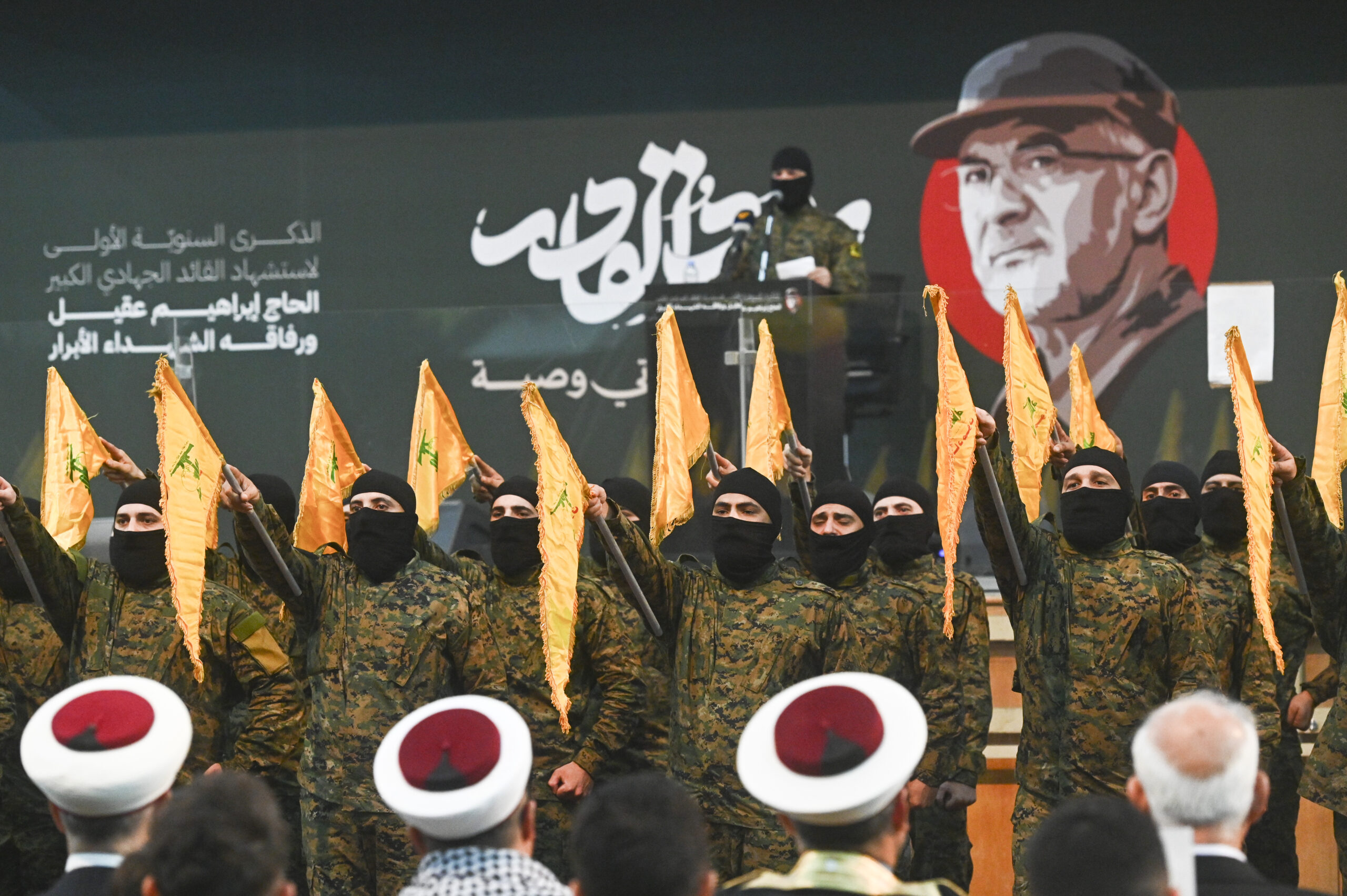
Hezbollah has declared that negotiating with Israel while military attacks continue on Lebanese territory would amount to “surrender,” as tensions between the two sides escalate amid ongoing strikes and cross-border hostilities.
The statement was delivered by Hezbollah’s leader Naim Qassem, who strongly rejected proposals for direct neg

“When negotiations with the Israeli enemy are proposed under fire, this is an imposition of surrender,” Qassem said, emphasizing that Lebanon should not enter discussions under pressure from ongoing attacks.
The remarks come at a time when Israel has intensified strikes in Lebanon following rocket and drone attacks launched by Hezbollah. The escalation is part of a broader regional conflict that has drawn Lebanon deeper into the ongoing tensions involving Israel and Iran.
Since early March, clashes between Israeli forces and Hezbollah fighters have grown increasingly frequent. Hezbollah began firing rockets toward Israel in response to regional developments tied to the wider Middle East conflict, prompting Israel to retaliate with airstrikes across parts of Lebanon.
The situation has led to significant casualties and widespread displacement. Reports indicate that more than a thousand people have been killed in the fighting and over a million residents have been forced to flee their homes as military operations continue.
Despite growing international concern, Hezbollah has vowed to continue its operations, stating that its fighters will resist Israeli actions “without limits” and calling on the Lebanese public to unite in opposition to what it describes as Israeli aggression.
Lebanese Government Pushes for Diplomacy
Meanwhile, the Lebanese government has taken a different approach, with officials proposing direct negotiations with Israel in an attempt to halt the violence. Lebanese leaders believe that diplomacy could prevent further destruction and stabilize the country, which is already struggling with economic and political crises.
However, Hezbollah has firmly rejected this idea, arguing that negotiations under military pressure would undermine Lebanon’s sovereignty and strengthen Israel’s position in the conflict.
The divide reflects growing internal tensions within Lebanon, where some political groups support diplomatic efforts while others back continued resistance against Israel.
Wider Regional Implications
The confrontation between Israel and Hezbollah is unfolding against the backdrop of broader regional instability involving Iran and other Middle Eastern actors. Hezbollah, which is backed by Iran, has long been a central player in the so-called “Axis of Resistance” opposing Israel and Western influence in the region.
Analysts warn that the situation could escalate into a larger regional war if hostilities continue unchecked. The involvement of Iran and the possibility of further military escalation have heightened fears that the conflict may spread beyond Lebanon and Israel.
International diplomats have called for restraint from all sides and urged renewed efforts toward a ceasefire. However, with Hezbollah refusing negotiations and Israeli strikes continuing, prospects for an immediate de-escalation remain uncertain.
As tensions intensify, Lebanon faces mounting humanitarian and political challenges, while the broader Middle East watches closely for signs of whether the conflict will expand further or move toward a fragile peace.