Chickenpox, commonly known as a childhood disease, can become far more dangerous when it affects adults, according to health experts who are urging greater awareness about the potential risks and complications associated with the illness.
The disease is caused by the Varicella-Zoster virus (VZV) and spreads easily through respiratory droplets or direct contact with fluid from the blisters that appear on infected individuals. While many children recover within a week or two with relatively mild symptoms, adults who contract the virus often experience more severe illness and a greater risk of complications.

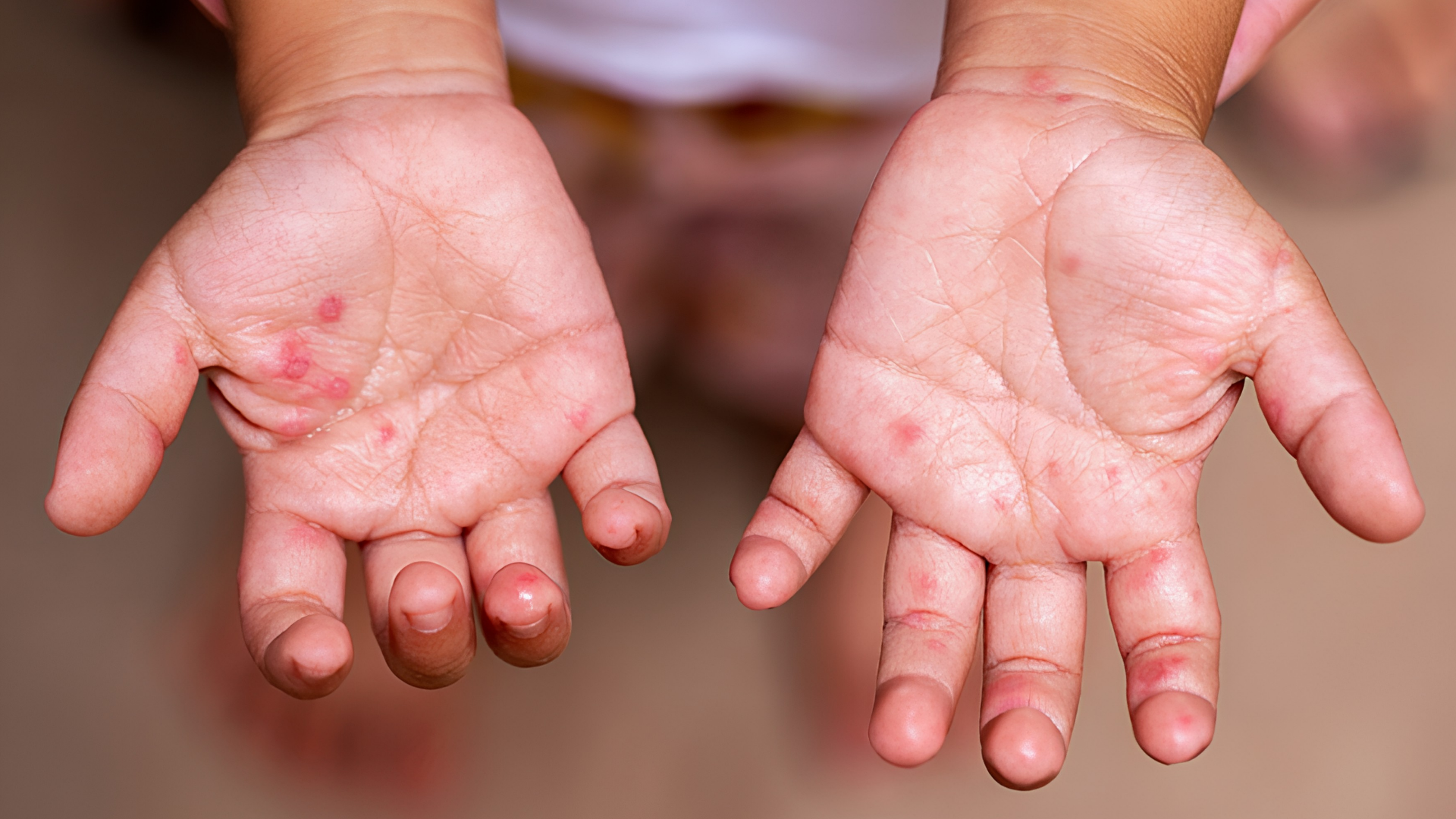
Doctors warn that symptoms in adults can initially appear similar to those in children, including fever, fatigue, headaches and body aches. Within one or two days, a red rash begins to develop and gradually turns into fluid-filled blisters that spread across the body. These blisters can appear not only on the skin but also inside the mouth and other mucous membranes, causing discomfort and difficulty eating or drinking.
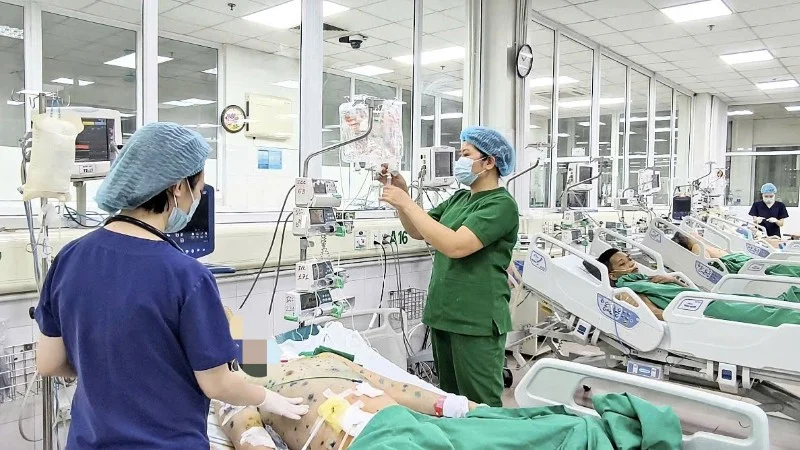
If the disease is not properly monitored or treated, several dangerous complications may arise. One of the most common serious complications in adults is pneumonia, which can lead to breathing difficulties and respiratory failure. Medical reports have documented cases where patients required intensive care or mechanical ventilation due to severe lung damage caused by the virus.
In addition to pneumonia, chickenpox can also cause secondary bacterial infections of the skin when blisters become infected. These infections may lead to ulcerated wounds, permanent scarring, or even the spread of bacteria into the bloodstream, resulting in sepsis — a life-threatening condition affecting multiple organs.
Another rare but extremely serious complication is encephalitis, or inflammation of the brain. This condition may develop about a week after the appearance of the rash and can cause symptoms such as seizures, confusion, loss of consciousness, or neurological damage if not treated quickly.
Health experts note that certain groups face a higher risk of severe complications from chickenpox. These include pregnant women who have never previously had the disease, individuals with weakened immune systems, patients undergoing chemotherapy or immunosuppressive treatment, and people taking long-term steroid medications.
Despite these risks, chickenpox can largely be prevented through vaccination. Medical authorities recommend vaccination for children and adults who have not previously been infected with the virus. Vaccination not only reduces the risk of infection but also significantly lowers the chances of severe illness and dangerous complications.
Doctors also advise people to avoid close contact with infected individuals and to maintain good hygiene practices, including frequent handwashing and avoiding the sharing of personal items. Those infected should isolate themselves for about seven to ten days after the rash appears to prevent spreading the virus to others.
Medical professionals stress that while chickenpox is often considered a routine illness in childhood, adults should not underestimate the disease. Early detection, proper treatment and preventive measures remain crucial in avoiding severe complications that could pose significant health risks