TEHRAN, March 29 — Iran has granted safe passage for humanitarian ships approved by the United Nations (UN) to travel through the Strait of Hormuz, one of the most strategically important maritime corridors in the world. The move comes amid heightened regional tensions and concerns over the safety of commercial shipping routes in the Middle East.
Iranian authorities said the decision aims to ensure that humanitarian assistance can reach affected populations without disruption, particularly during a period of increased geopolitical instability in the region. The government emphasised that vessels carrying aid authorised by the United Nations will be allowed to pass through the narrow waterway safely under established maritime protocols.

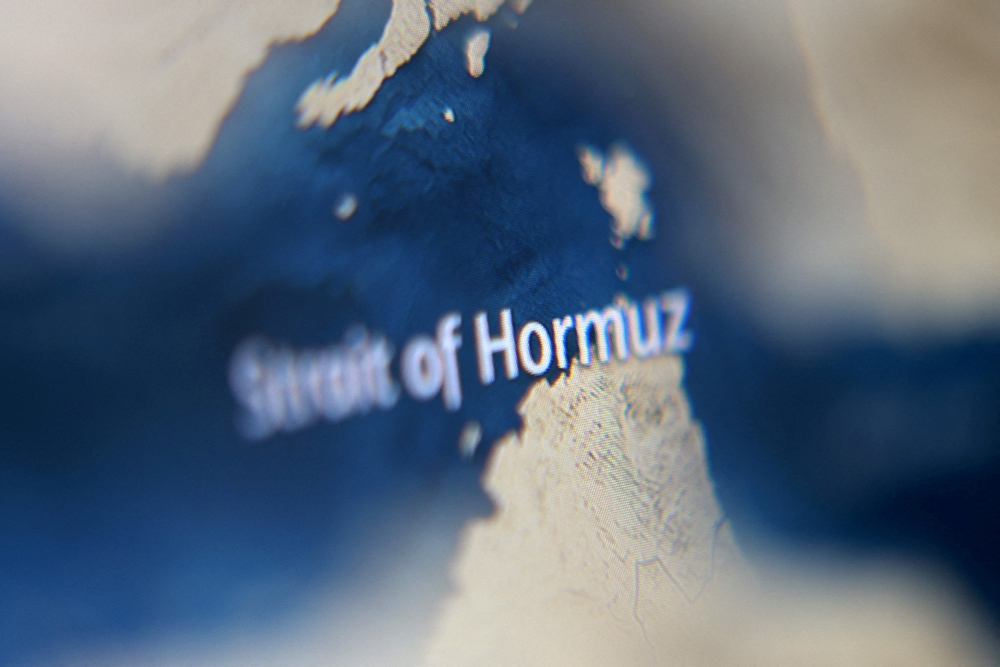
The Strait of Hormuz is widely regarded as one of the most critical energy chokepoints globally, with a significant portion of the world’s oil and natural gas shipments passing through the route each day. Any disruption to traffic in the strait could have far-reaching consequences for international trade and global energy markets.
Iran’s announcement is therefore seen by analysts as an attempt to balance regional security concerns with the need to maintain international humanitarian access and prevent unnecessary disruptions to shipping operations.
Officials indicated that humanitarian vessels that receive formal approval and documentation from the United Nations will be able to navigate the strait without interference, provided they comply with maritime regulations and established safety procedures.
The move comes as international attention remains focused on the Middle East following escalating tensions involving several regional actors. Recent developments have raised fears about the potential impact on global shipping lanes and the stability of key energy supply routes.
Shipping companies and global markets have been closely monitoring developments in the Strait of Hormuz, given its role as a crucial gateway for oil exports from major producers in the Gulf region. Any instability in the area could significantly affect energy prices and international trade flows.
Security analysts say Iran’s decision to allow humanitarian vessels to pass may help ease some concerns about disruptions to critical aid deliveries, particularly for communities affected by regional conflicts or humanitarian crises.
At the same time, experts note that the broader geopolitical situation in the Middle East remains complex and unpredictable. While the safe passage arrangement provides reassurance for humanitarian operations, commercial shipping operators continue to monitor the situation carefully.
International organisations have welcomed efforts to maintain safe corridors for humanitarian assistance, stressing that access to essential supplies such as food, medicine and emergency relief remains vital during times of conflict or political instability.
The Strait of Hormuz connects the Persian Gulf with the Gulf of Oman and the Arabian Sea, making it a central artery for global maritime trade. Because of its strategic importance, the waterway has long been a focal point of geopolitical tensions and international security concerns.
Analysts believe that ensuring safe navigation for humanitarian vessels may help reduce immediate risks of disruptions while signalling that essential aid operations should remain protected despite broader regional tensions.
As the situation continues to evolve, global shipping companies, governments and humanitarian organisations are expected to closely follow developments to ensure that both commercial and humanitarian maritime activities can proceed safely through one of the world’s most critical waterways.