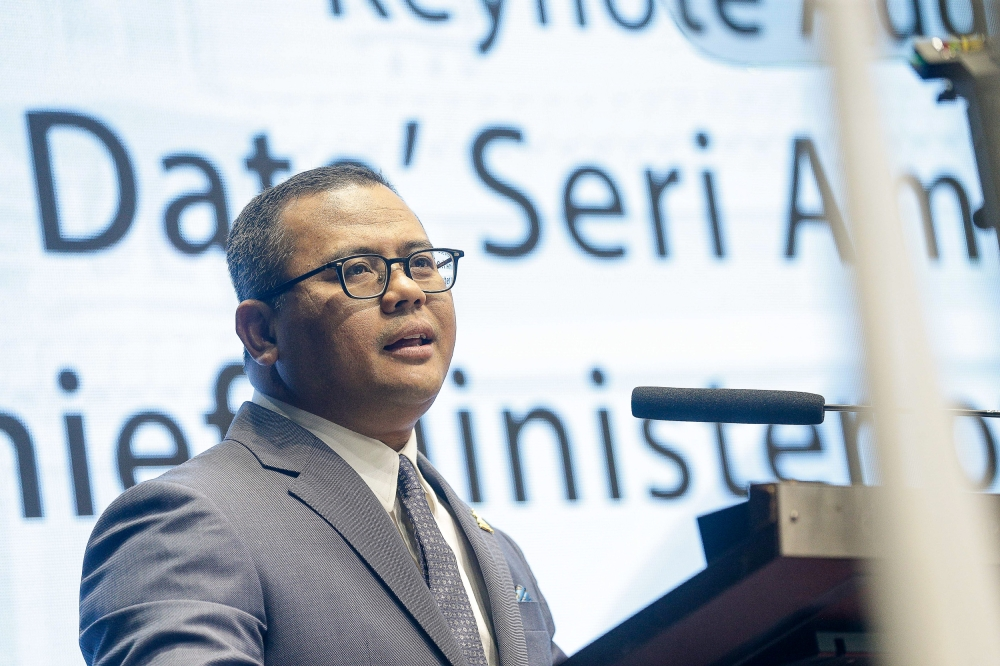
KUALA LUMPUR, March 31 — In response to fluctuating global oil prices, the state government is preparing a work-from-home (WFH) plan for civil servants, according to the state’s Chief Minister. The move aims to mitigate the impact of rising energy costs on public operations while maintaining service efficiency.
Speaking to reporters, the Chief Minister explained that the WFH plan would be implemented flexibly, allowing government employees to continue performing their duties without disruption. The initiative is part of a broader strategy to respond proactively to global energy market volatility, which has seen prices spike due to geopolitical tensions in key oil-producing regions.

“The global oil market is unpredictable, and we must take steps to safeguard our operations and manage costs effectively,” the Chief Minister said. “Introducing a work-from-home policy for civil servants ensures that we remain productive while minimizing unnecessary energy consumption.”
Officials highlighted that the WFH plan would also be accompanied by measures to support digital infrastructure and remote work capabilities. This includes upgrading online systems, ensuring secure access to government networks, and providing necessary resources for staff to work efficiently from home.
The government noted that the policy would be reviewed regularly to align with market conditions, public service needs, and national energy strategies. By adopting flexible working arrangements, the administration hopes to reduce fuel consumption in government offices, cut operational costs, and set an example for other sectors to follow.
Economic analysts praised the move as a timely and practical response to global oil market fluctuations, noting that energy costs are a significant driver of government expenditure and can indirectly impact inflation and public welfare programs.
The WFH initiative also reflects a broader trend in public sector modernization, aiming to integrate technology, enhance employee productivity, and improve work-life balance for civil servants. Observers expect that such measures could pave the way for more efficient, cost-conscious government operations in the future.
In addition to managing energy costs, the government reaffirmed its commitment to ensuring that all civil service functions remain fully operational, even as flexible work arrangements are introduced. Officials emphasized that public service delivery, particularly in essential areas such as health, finance, and administrative support, would remain uninterrupted.
The Chief Minister concluded that the WFH plan is part of the state government’s proactive approach to managing risks posed by global economic and energy uncertainties, ensuring both fiscal responsibility and continued service excellence.