KUALA LUMPUR, April 2 — The Malaysian government will implement a work‑from‑home (WFH) directive for the public sector and government‑linked companies (GLCs) effective April 15, 2026, in a bid to address rising energy challenges stemming from the ongoing West Asia conflict.
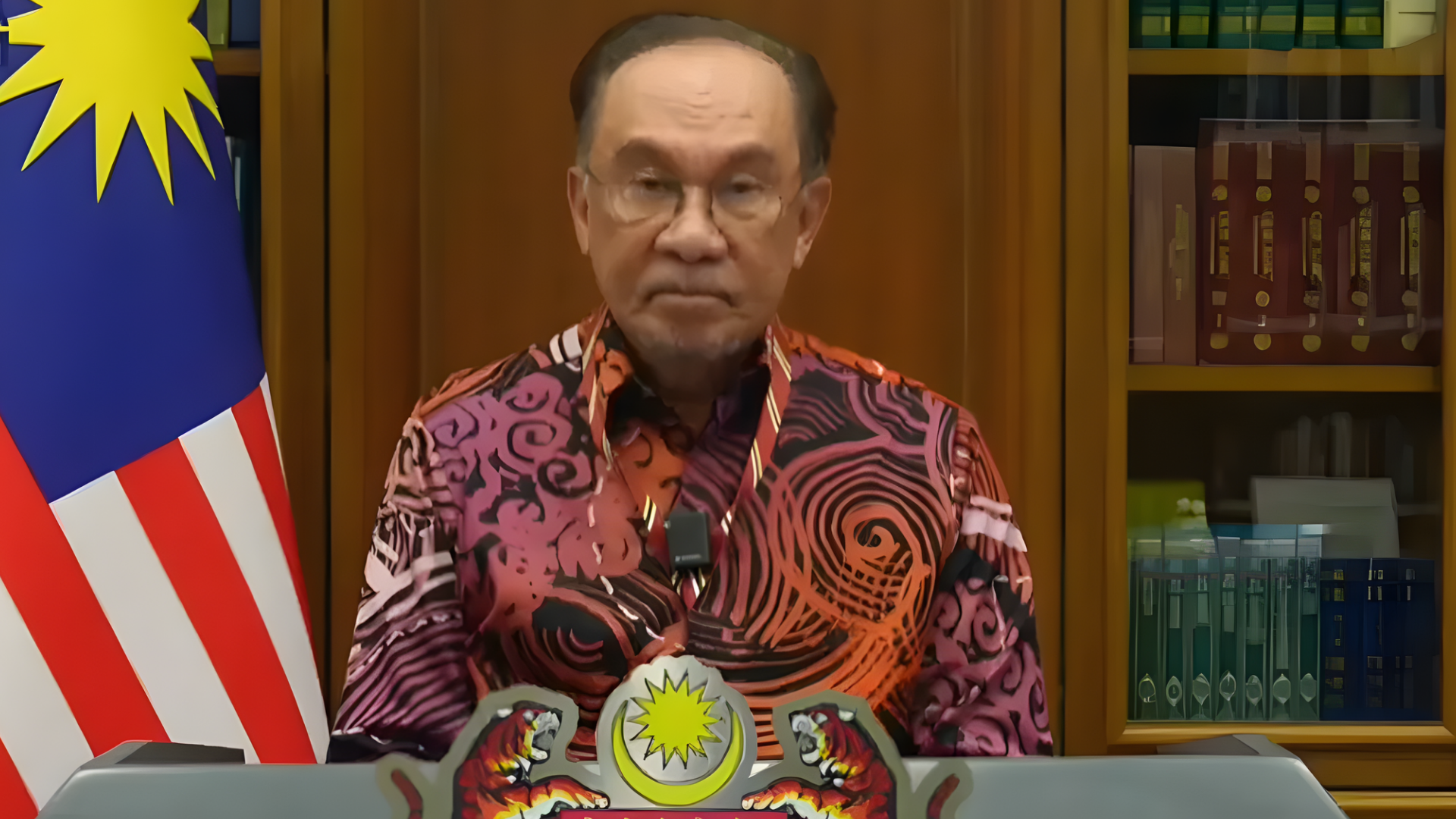
Prime Minister Anwar Ibrahim announced the decision after the Cabinet approved the plan at the latest Mesyuarat Jemaah Menteri (Cabinet meeting), following detailed discussions in the National Economic Action Council (MTEN). The policy will apply to all federal ministries, government agencies, statutory bodies, and GLCs.

The government said the primary goal of the directive is to reduce domestic fuel consumption in light of global supply disruptions caused by heightened tensions in the Middle East, particularly related to conflict involving Israel and Iran. By minimising commuting and office energy use, the WFH policy is intended to help safeguard Malaysia’s energy reserves and ease pressure on national fuel supplies.
According to officials, the conflict has contributed to disruptions in global energy supply chains and increased fuel price volatility, prompting Malaysia to adopt pre‑emptive measures rather than reactive responses. The move comes amid wider government efforts to diversify energy sources and strengthen long‑term energy security.
Prime Minister Anwar highlighted that while Malaysia has managed to maintain domestic petrol prices — with the retail price of RON95 petrol held at RM1.99 per litre — the global situation remains unpredictable. He emphasised the need for comprehensive measures, including work‑from‑home arrangements, to ensure energy sustainability and protect the public from sudden price spikes.
In addition to the WFH directive, the government has implemented other strategies to mitigate the impact of rising energy costs, including increasing monthly fuel subsidy quotas and enforcing mechanisms for subsidised diesel distribution across Sabah, Sarawak, and Labuan. Authorities are also investing resources to absorb elevated global fuel costs through social support initiatives.
The detailed operational guidelines for the work‑from‑home policy — including implementation plans, expected duration, and sector‑specific arrangements — will be announced in the coming weeks. However, officials said essential services and critical roles in areas such as healthcare and public safety will be managed to ensure continuity of frontline operations even as remote work is implemented.
Observers say Malaysia’s shift to remote work for public institutions represents a broader strategy of energy conservation and economic resilience during times of global uncertainty. By reducing reliance on physical infrastructure and commuting fuel, the government hopes to cushion the economy and provide a buffer against the widening effects of geopolitical crises on domestic energy markets.