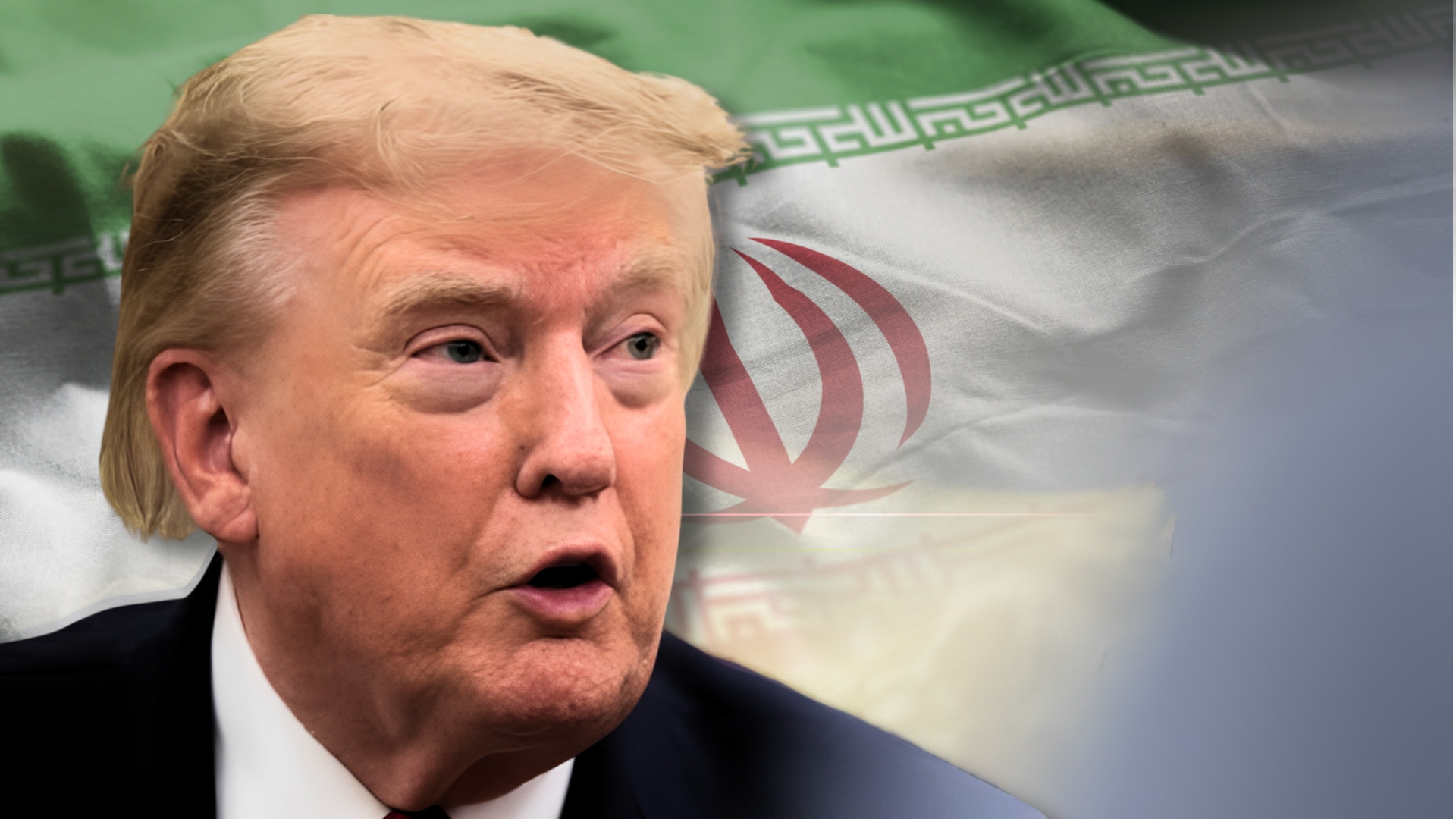
Kuala Lumpur – Amid escalating global geopolitical tensions—ranging from disruptions in key shipping routes in the Middle East to conflicts involving major energy-producing nations—oil prices are once again under pressure. This surge in energy costs is not just a macroeconomic concern; it directly affects everyday life, particularly in terms of fuel consumption.
In this context, the work from home (WFH) policy is regaining relevance—not merely as a legacy of the pandemic era, but as an adaptive strategy to reduce dependence on fossil fuels.

Geopolitics and Rising Energy Costs
When global energy distribution routes are disrupted—whether due to regional conflicts or attacks on oil tankers—the supply chain becomes unstable. The domino effect is clear: rising crude oil prices that eventually translate into higher fuel costs at the consumer level.
Countries that rely heavily on energy imports face greater pressure, including Malaysia. Fuel subsidies, long used as an economic buffer, risk becoming a fiscal burden if global prices continue to climb.
WFH: A Simple Solution with Significant Impact
This is where WFH presents a relatively quick and effective solution. By reducing the daily mobility of millions of workers, fuel consumption can be significantly lowered. Some immediate impacts include:
- Reduced daily fuel consumption due to fewer commutes
- Less traffic congestion, leading to more efficient fuel use
- Lower individual expenses, especially for urban workers
- Contribution to reduced carbon emissions
If implemented systematically—such as 2–3 WFH days per week—the impact could be felt at a national scale.
Implementation Challenges
However, WFH is not without its challenges. Not all sectors can adopt this system. Industries such as manufacturing, public services, and informal sectors still require physical presence.
There are also concerns around productivity, work monitoring, and digital access inequality. Therefore, WFH policies must be selective and sector-specific.
A Momentum for Hybrid Work Policies
Rather than viewing WFH as a temporary fix, governments and businesses can embrace it as part of a long-term strategy through hybrid work models. This approach balances flexibility with productivity.
In an era of unpredictable geopolitical conditions, countries need policies that are not only reactive but also preventive. WFH stands out as a relatively low-cost, quickly deployable policy tool with wide-reaching impact.
Conclusion
Energy crises driven by global tensions are not new, but their increasing frequency demands new approaches. WFH, once seen as an emergency response, now has the potential to become a permanent strategy in managing energy consumption.
The question is no longer “Is WFH effective?” but rather “How quickly can it be integrated into national policy?”