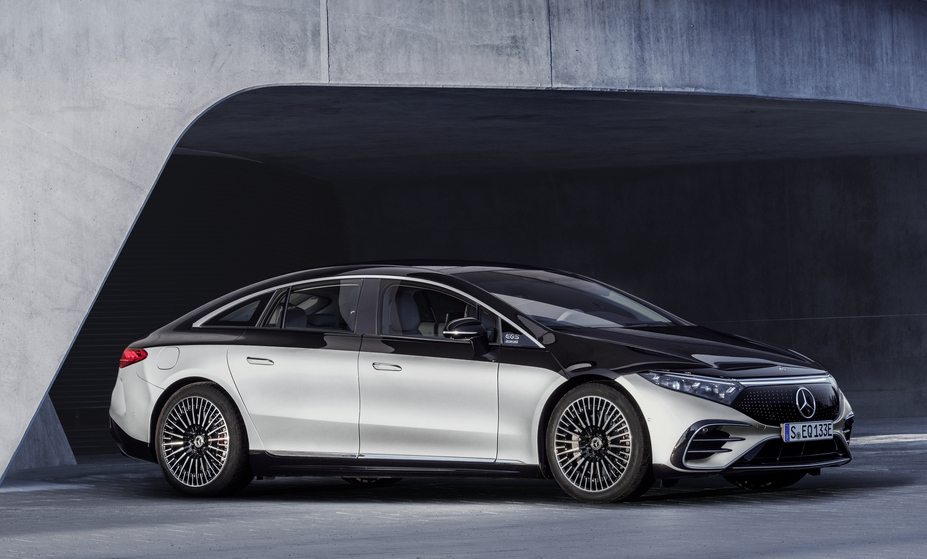
April , 2026 — German luxury automaker Mercedes-Benz is preparing to introduce steer-by-wire technology in its flagship electric sedan, the Mercedes‑Benz EQS, marking a major step forward in automotive steering systems and digital vehicle control.
The new system removes the traditional mechanical linkage between the steering wheel and the front wheels, replacing it with electronic signals that translate driver input into steering actions through motors and actuators. This technology allows steering response to be digitally controlled and adjusted depending on driving conditions.

According to engineers, steer-by-wire enables an infinitely variable steering ratio, meaning the steering can become lighter and more responsive at low speeds while remaining stable and precise during high-speed driving. The system also helps eliminate unwanted vibrations from rough road surfaces, creating a smoother and more refined driving experience.
Unlike conventional steering systems that rely on a steering column connecting the wheel directly to the axle, steer-by-wire uses electronic control units to interpret driver input. Sensors capture the steering movement and transmit signals to electric motors that turn the wheels accordingly.
This innovation allows automakers greater flexibility in designing steering characteristics and vehicle interiors. In the case of the EQS, the system allows for a more compact steering wheel design, improving visibility of the digital instrument display and making it easier for drivers to enter and exit the vehicle.
Because the steering wheel is no longer mechanically connected to the wheels, safety and reliability are critical. Mercedes-Benz has developed a redundant system architecture that includes dual signal paths, backup power supplies, and multiple motors to ensure the vehicle remains steerable even if one system fails.
In the unlikely event that one electronic pathway stops functioning, the backup system automatically takes over to maintain steering capability. Engineers say the technology has undergone extensive testing exceeding one million kilometers on test benches, proving grounds, and public roads before being approved for production use.
Additionally, the steer-by-wire system works together with rear-wheel steering, allowing the rear wheels to turn up to 10 degrees. This improves maneuverability at low speeds while enhancing stability when dri
One of the most visible changes enabled by the technology is the introduction of a yoke-style steering wheel, a flat-bottom design inspired by racing cars and aircraft controls. The new steering shape provides drivers with a clearer view of the digital instrument cluster while creating a futuristic cockpit-like environment inside the vehicle.
Because steer-by-wire eliminates the need for multiple steering rotations, drivers no longer need to perform traditional “hand-over-hand” movements when turning sharply. Instead, the system adjusts steering response electronically to match the situation.
However, Mercedes-Benz has confirmed that traditional electromechanical steering will still remain available as an option for customers who prefer a conventional steering wheel setup.
Industry experts see steer-by-wire as an important step toward the development of autonomous and software-defined vehicles, where mechanical components are increasingly replaced by digital control systems.
By introducing this technology in the EQS, Mercedes-Benz aims to strengthen its position in the rapidly evolving electric luxury vehicle market while demonstrating how advanced electronics can redefine the driving experience.
As automakers continue to explore new vehicle architectures, technologies like steer-by-wire are expected to play a crucial role in shaping the next generation of electric and autonomous cars.