SINGAPORE, April — Singapore is bracing for economic pressure as the ongoing war involving Iran threatens to push inflation higher and weaken growth prospects for the Southeast Asian financial hub.
Government officials warned that rising global energy prices triggered by the conflict could increase costs for businesses and households in the coming months. As a highly open economy that relies heavily on imports and international trade, Singapore is particularly vulnerable to external shocks in global energy markets.

Deputy Prime Minister Gan Kim Yong said authorities are closely monitoring developments as the conflict continues to disrupt global oil supply and energy flows. The government has indicated that economic growth could take a hit later this year if the geopolitical crisis persists and energy costs remain elevated.
Singapore’s economic outlook had previously been relatively stable, with growth projections estimated between 2% and 4% for 2026. However, policymakers have acknowledged that the escalation of the Middle East conflict could force revisions to these forecasts depending on how long the crisis continues.
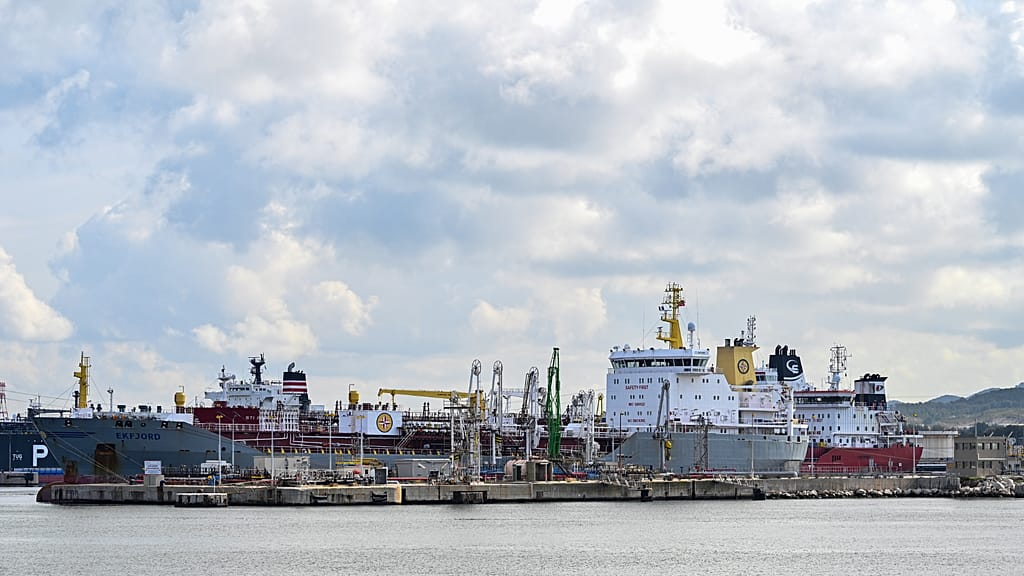
The biggest concern for policymakers is the surge in global oil and energy prices caused by disruptions linked to the war. The conflict has already pushed crude oil prices sharply higher as fears grow over supply interruptions and instability in key shipping routes such as the Strait of Hormuz — a critical channel through which a large portion of the world’s oil supply passes.
Singapore relies heavily on imported energy, with about 95% of its electricity generated from natural gas, making the country particularly sensitive to global fuel price volatility. Rising energy costs could lead to higher electricity bills, increased transportation expenses, and broader price pressures across the economy.
Economists say the impact of the conflict may not be limited to fuel prices alone. Higher energy costs tend to ripple through supply chains, raising transportation costs, freight charges, and production expenses for businesses. These increases are often passed on to consumers, contributing to broader inflation in the economy.
To mitigate the potential impact, Singapore’s government has introduced a support package worth nearly S$1 billion aimed at helping households and businesses cope with rising costs. The measures include financial support for citizens, fuel vouchers for transport workers, and tax rebates for companies affected by the economic fallout.
Global financial markets have also reacted to the escalating conflict, with rising oil prices and increased volatility in equities and currencies. Analysts warn that prolonged disruptions to energy supply could trigger wider economic risks, including slower global growth and higher inflation across many countries.
The broader economic consequences of the conflict are being closely watched worldwide. Experts say the war has already caused one of the largest disruptions to global energy markets in modern history, with fears that prolonged supply constraints could lead to stagflation — a combination of high inflation and weak economic growth.
For Singapore, the challenge will be navigating these global shocks while maintaining economic stability. Policymakers are expected to adjust fiscal and monetary policies if necessary to cushion the impact on businesses, consumers and the broader economy.
As geopolitical tensions continue to ripple through global markets, Singapore — like many other trade-dependent economies — now faces the difficult task of balancing growth, inflation control and economic resilience in an increasingly uncertain global environment.