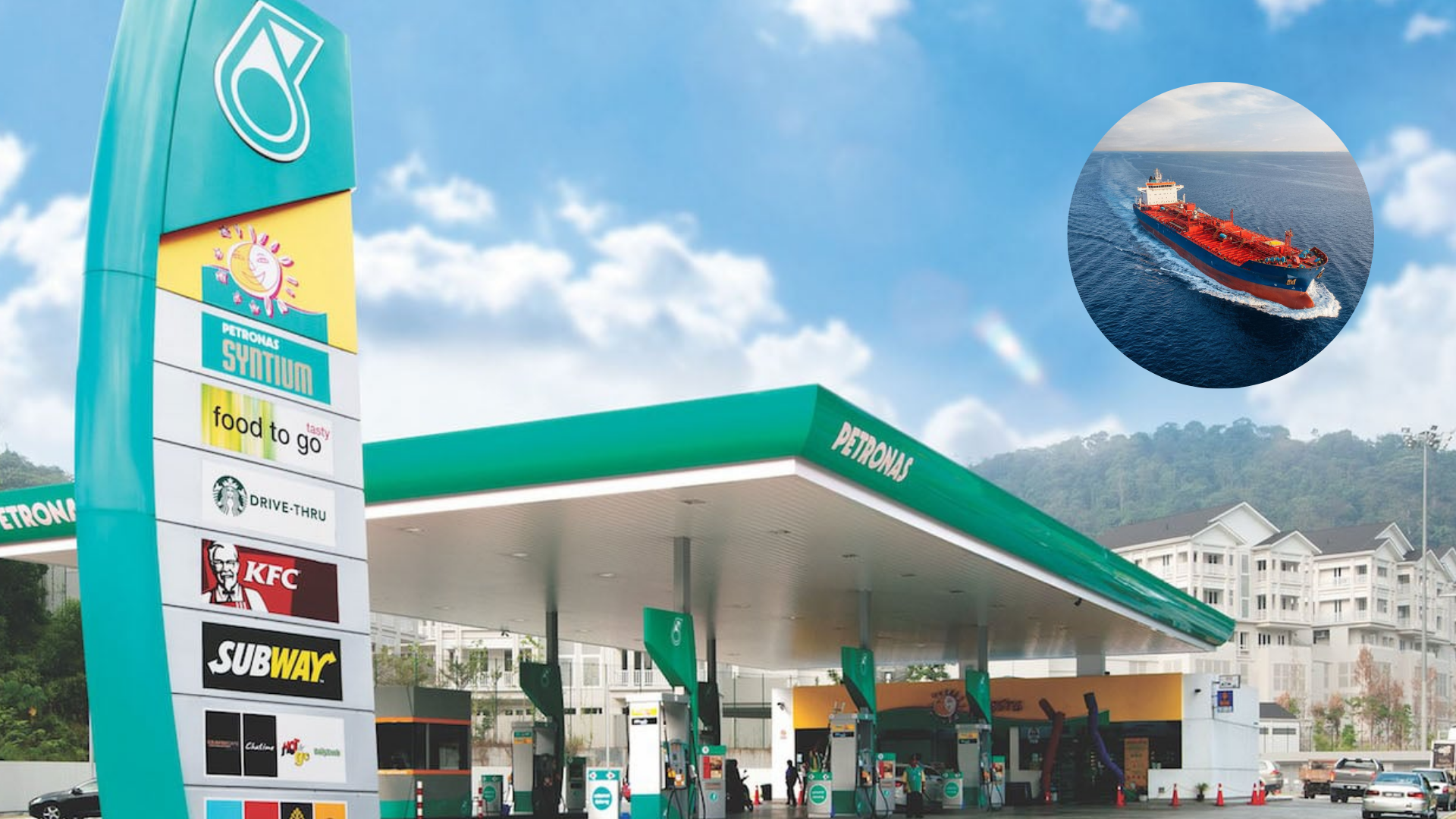
KUALA LUMPUR, APRIL – A tanker operated by Petroliam Nasional Berhad (Petronas) has safely passed through the strategic Strait of Hormuz and is now heading toward a refinery in Malaysia, marking a significant development for global energy supply routes following weeks of heightened geopolitical tension in the Middle East.
The vessel’s successful passage comes after a temporary ceasefire agreement between the United States and Iran helped stabilize conditions in the Gulf region, allowing commercial shipping to resume more confidently along one of the world’s most critical maritime chokepoints.

The Strait of Hormuz is widely regarded as one of the most strategically important shipping lanes in the global energy market. Roughly a fifth of the world’s oil supply passes through this narrow waterway daily, connecting major oil-producing nations in the Middle East to markets across Asia, Europe, and beyond.
In recent weeks, escalating military tensions between Washington and Tehran raised fears that shipping traffic through the strait could be disrupted. Energy companies and shipping operators grew increasingly cautious, with some vessels delaying routes or rerouting shipments due to security concerns.
However, the easing of hostilities and the reopening of safe navigation routes have allowed energy shipments to gradually resume. The Petronas tanker’s passage signals that commercial oil flows are beginning to normalize, offering reassurance to global markets that supply disruptions may be avoided.
According to industry analysts, the safe transit of energy cargo through the Strait of Hormuz is crucial for countries across Asia, particularly energy-importing economies that rely heavily on Middle Eastern crude oil.
Malaysia remains a key participant in the global energy supply chain through its national oil company, Petronas. The company operates a fleet of tankers and plays an important role in refining, transporting, and trading petroleum products throughout the region.
The crude cargo carried by the tanker is expected to be delivered to a refinery in Malaysia, where it will be processed into refined petroleum products such as gasoline, diesel, and jet fuel to support both domestic consumption and export markets.
Energy analysts say the resumption of tanker movements through the Gulf could help calm volatility in global oil markets, which had experienced fluctuations amid concerns over supply disruptions during the period of geopolitical tension.
Market observers are continuing to monitor developments closely, as the stability of shipping routes through the Strait of Hormuz remains essential to maintaining balanced global energy supplies and preventing sudden spikes in oil prices.
The successful journey of the Petronas tanker also underscores the resilience of international maritime trade networks, which continue to adapt to geopolitical risks while ensuring the steady flow of energy resources across continents.
As the situation evolves, governments, shipping companies, and energy producers are expected to maintain heightened vigilance to ensure the security of maritime routes and safeguard the uninterrupted movement of vital energy supplies.