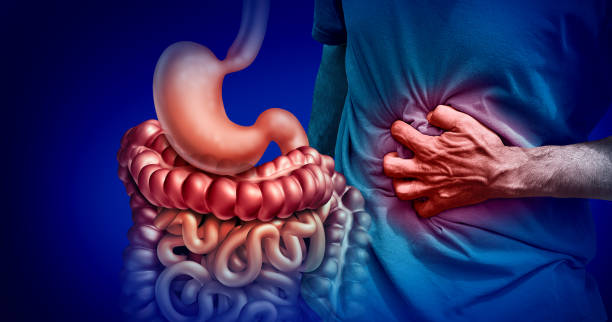
KUALA LUMPUR, April 8 — Scientists have made a major breakthrough in understanding what drives the formation of scar tissue in the gut of Crohn’s disease patients, offering fresh hope for treatments that go beyond controlling inflammation alone. The findings, published in The Journal of Pathology, shed light on the cellular signals that lead to intestinal fibrosis, a debilitating complication of the chronic inflammatory condition.
Crohn’s disease — a type of inflammatory bowel disease (IBD) — affects the digestive tract and can lead to persistent inflammation and structural damage over time. One of the most serious complications is fibrosis, in which excess collagen builds up in the intestinal wall, causing the gut to narrow and, in many cases, requiring corrective surgery. Current therapies focus largely on reducing inflammation, but they do not directly address the fibrotic process itself.

A research team led by scientists at the University of Edinburgh analysed intestinal tissue samples from Crohn’s patients with varying degrees of fibrosis. Using advanced techniques like single‑cell RNA sequencing, they identified a previously under‑recognised interaction between clusters of immune cells and other cell types responsible for collagen production.
The researchers found that clusters of immune cells, known as Crohn’s lymphoid aggregates, appear to stimulate nearby endothelial cells — which normally line blood vessels — to form unusual structures that interact with collagen‑producing cells in the gut. These interactions essentially trigger the excess collagen production that leads to scarring.
According to Dr Shahida Din, a consultant gastroenterologist involved in the study, current tremajor clinical challenge because it involves different biological mechanisms that are not well addressed by anti‑inflammatory therapies. Understanding the signalling pathways that link immune activity to collagen synthesis could therefore be crucial for developing new anti‑fibrotic treatments.
Doctors and patient advocates have welcomed the findings, describing them as an important step toward therapies that could slow or halt the progression of fibrosis rather than simply managing inflammation. Crohn’s patients often endure repeated surgeries due to intestinal narrowing caused by scar tissue, and a therapy that prevents this process could dramatically improve quality of life.
While the research is still in its early stages, scientists hope that a clearer understanding of the cellular signals that trigger fibrosis will lead to targeted drugs or biological therapies aimed specifically at preventing excessive scarring.
This discovery builds on a growing body of research into the complex biology of Crohn’s disease. Fibrosis is a common feature of many chronic inflammatory conditions and involves a cascade of interactions among immune cells, structural cells in the gut wall, and signalling molecules. The new findings help map these interactions more precisely and highlight potential therapeutic targets for future drug development.
Beyond fibrosis research, other studies continue investigating dietary, microbiome‑based, and metabolic factors that influence Crohn’s symptoms and disease progression, underscoring the multifaceted nature of this chronic condition.
As research progresses, patients and clinicians alike are hopeful that combining traditional anti‑inflammatory treatments with novel anti‑fibrotic strategies could significantly improve long‑term outcomes for those living with Crohn’s disease.