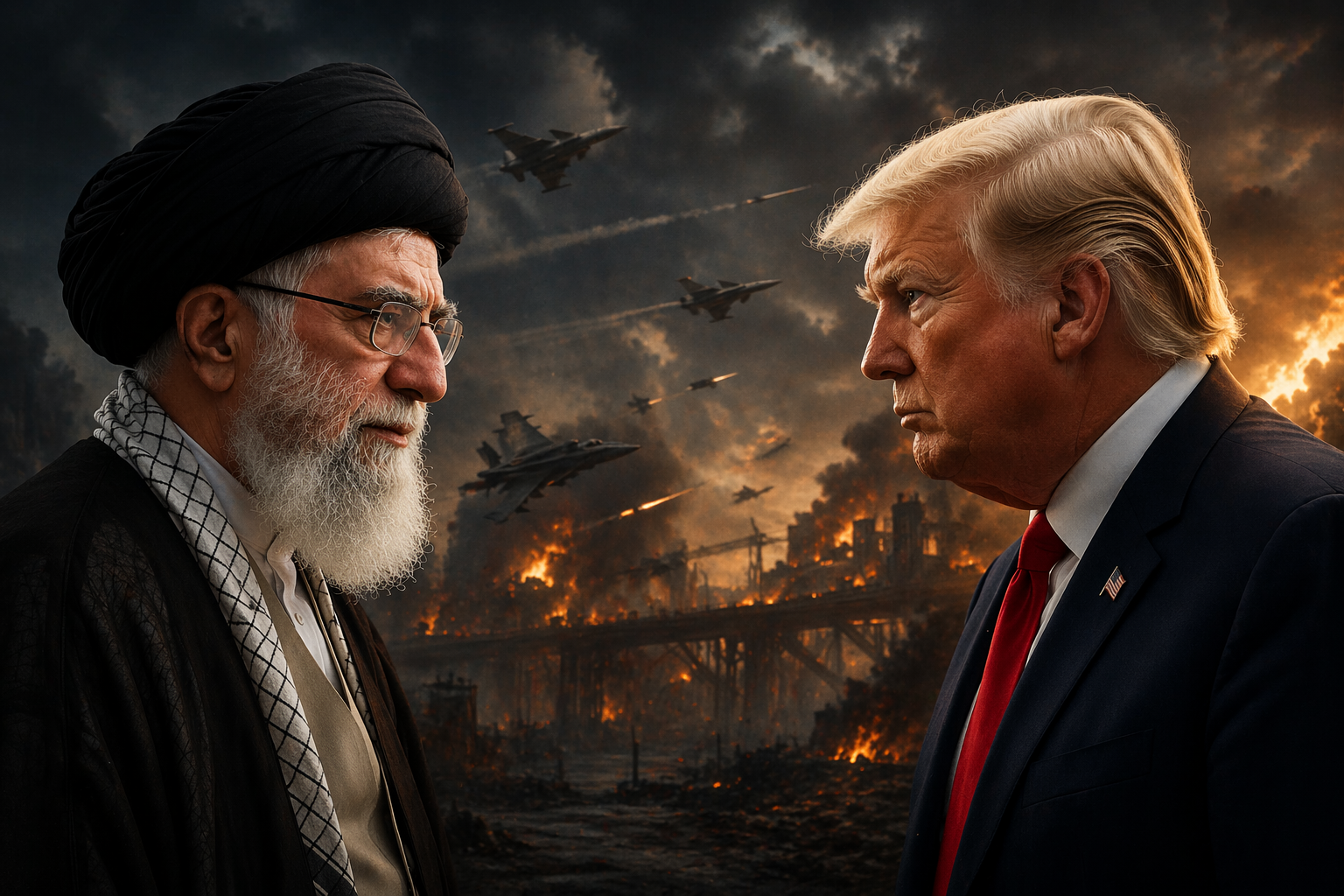
KUALA LUMPUR, APRIL – The escalating tensions between the United States and Iran are not just a matter of global security — they are a glaring spotlight on diplomatic missteps and reckless strategy. President Donald Trump’s reliance on aggressive threats and poorly structured agreements may dominate headlines and energize his domestic base, but it risks turning fragile standoffs into full-blown crises, rather than achieving lasting peace.
While strong rhetoric and high-profile deals create the illusion of decisive leadership, they cannot replace strategic foresight, credible negotiation, and trust-building, all of which are critical in resolving complex, multi-layered conflicts. History repeatedly shows that coercion and hastily arranged agreements rarely produce stability; instead, they often inflame tensions, foster mistrust, and increase the risk of escalation.

Yet it is important to recognize the challenges of leadership in such high-stakes situations. Balancing domestic political expectations, global alliances, and the very real security concerns of U.S. personnel and regional partners is far from straightforward. Threats may seem like a quick lever of influence, but without clarity and enforceable terms, they are fragile tools at best.
A more sustainable approach to the U.S.–Iran conflict would focus on three interlinked pillars of effective diplomacy:
- Structured and Sustained Dialogue: Negotiations should be continuous, transparent, and aimed at measurable outcomes. Both parties must understand what is expected, reducing the likelihood of misunderstandings or miscalculations.
- Multilateral Engagement: Involving regional partners, neutral mediators, and international institutions can distribute responsibility, provide leverage, and ensure commitments are enforceable. Cooperation creates a buffer against unilateral missteps.
- Incremental, Trust-Building Agreements: Start with small, tangible initiatives — humanitarian aid, economic collaboration, or security measures — that demonstrate reliability and build confidence over time. Gradually, these successes can pave the way for broader, binding agreements that endure.
By prioritizing these principles, the United States can move from reactionary posturing to strategic engagement. This approach does not mean abandoning firmness on security or principles; instead, it emphasizes deliberate action over spectacle.
The broader lesson here extends beyond the immediate conflict. Aggressive threats and weak deals may make headlines, but they do not secure peace, stability, or credibility. Real diplomacy is built on patience, clarity, respect for international norms, and the willingness to make difficult compromises. Even in the face of immense pressure, leadership that favors strategy over bluster has the best chance of producing meaningful results.
Adopting a patient, multilateral, and structured approach has tangible benefits:
- Reduces risk of escalation: Measured steps prevent misunderstandings and miscalculations.
- Strengthens alliances: Allies respond better to predictable, strategic actions than to erratic threats.
- Builds long-term stability: Incremental agreements lay the groundwork for lasting peace and cooperation.
Even as headlines continue to focus on threats and high-profile, hastily arranged deals, there is still an opportunity for leadership to pivot — to combine resolve with patience, firmness with dialogue, and caution with creativity. This path demonstrates that even the most tense international disputes can be navigated successfully without escalating conflict orlarity, respect for international norms, and the willingness to make difficult compromises. Even in the face of immense pressure, leadership that favors strategy over bluster has the best chance of producing meaningful results.
In short, the U.S.–Iran conflict demonstrates that peace is built, not declared. While headlines may be dominated by threats and poorly negotiated deals, the enduring path to resolution lies in strategic, patient, and credible diplomacy.