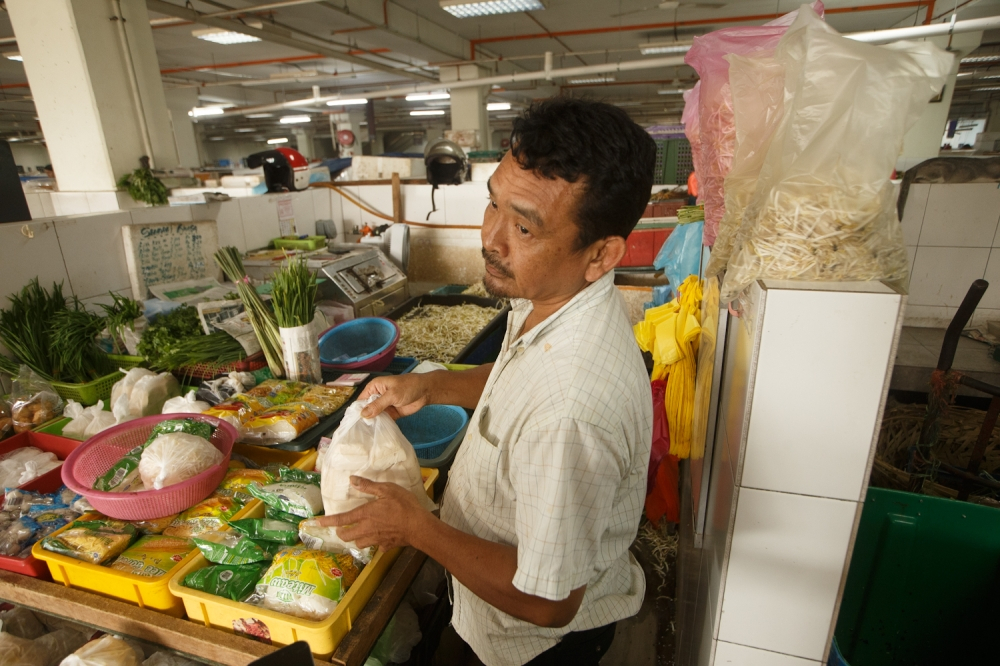
KUALA LUMPUR,April — Rising diesel prices in Malaysia are continuing to place significant pressure on the country’s food supply chain, with essential daily goods such as tofu and soy-based products now recording noticeable price increases across Kuala Lumpur as traders and distributors pass on higher transportation and operational costs to consumers.
Market observations at major wholesale and retail hubs, including Pasar Harian Selayang, indicate that tofu prices have increased by approximately 10 to 20 sen per piece, depending on product type. This includes fresh tofu, fried tofu, pressed tofu, and other soy-based variations commonly sold in wet markets and supermarkets. Soy-based beverages have also seen an increase of around 50 sen per kilogram, reflecting broader cost adjustments across the distribution chain.

Industry traders and food suppliers say the main driver behind the price increase is the rising cost of diesel fuel, which is widely used in Malaysia’s logistics and transportation sector. Diesel-powered trucks and delivery vehicles are essential for transporting raw materials and finished food products from rural production areas to urban consumption centres.
As diesel prices rise, transportation costs increase at every stage of the supply chain, including:
- Delivery of raw soybeans to processing facilities
- Transportation of finished tofu products to wholesale markets
- Last-mile distribution to retailers and food stalls
- Cold chain storage and refrigeration operations
Because of this, even small increases in fuel prices can quickly ripple through the entire food distribution network, resulting in higher retail prices for consumers.
Soybeans, the primary raw material for tofu and soy-based beverages, are largely imported and already subject to global commodity price fluctuations. When combined with rising domestic logistics costs, this creates a double pressure effect on the industry.
Traders report that production costs have increased due to:
- Higher fuel expenses for transportation
- Increased electricity costs for processing and refrigeration
- Higher wholesale prices from suppliers
- Reduced profit margins for small-scale producers
As a result, many vendors have been forced to gradually adjust retail prices to avoid operating at a loss.
At local wet markets in Kuala Lumpur, traders say they are increasingly caught between rising supplier prices and consumer sensitivity to price changes.
Some vendors noted that while customers are still purchasing essential items like tofu, buying patterns have shifted slightly, with many consumers opting for smaller quantities or switching to cheaper alternatives when available.
Traders also warn that continued increases in diesel prices could lead to further adjustments in the coming weeks, particularly if transportation costs remain elevated.
Economists say the situation highlights how fuel price fluctuations directly affect urban food inflation, particularly in essential goods that rely heavily on transportation.
Food items such as tofu and soy products are considered low-cost protein sources, meaning they are widely consumed by households across all income levels. As prices rise, the impact is felt more strongly by lower and middle-income families who depend on affordable daily staples.
Analysts also note that fuel-driven inflation typically appears first in fresh food markets before spreading to other sectors such as packaged goods and restaurant pricing.
The current price trend underscores the vulnerability of Malaysia’s food supply chain to energy cost changes. Because logistics plays a central role in food distribution, any increase in fuel prices creates immediate ripple effects.
Key vulnerabilities include:
- Heavy reliance on road transport for food distribution
- Limited buffer for small-scale producers
- Sensitivity of perishable goods to transport delays and costs
- Dependence on imported raw materials such as soybeans
These factors make the tofu and soy industry particularly exposed to fuel price volatility.
Several market participants have warned that if diesel prices remain high, further price adjustments may be unavoidable.
Small business operators say they are already operating on tight margins, and continued increases in logistics costs could force them to either raise prices again or reduce production volumes.
Some also expressed concern that prolonged fuel inflation could reduce consumer demand over time, potentially impacting overall sales.
Market observers expect food prices in Malaysia to remain under pressure in the near term as long as diesel prices stay elevated. While some hope for stabilization in fuel costs, others warn that supply chain inflation may persist if global oil prices remain volatile.
Authorities are closely monitoring the situation, as rising food costs could contribute to broader inflationary pressures in the Malaysian economy.
For now, consumers in Kuala Lumpur are likely to continue feeling the impact of higher diesel prices through gradual increases in everyday food items such as tofu and soy-based products.