Kuala Lumpur– Iran has announced that the Strait of Hormuz is now completely open to all commercial vessels, easing global fears over one of the world’s most critical oil shipping routes following a new ceasefire agreement in Lebanon.
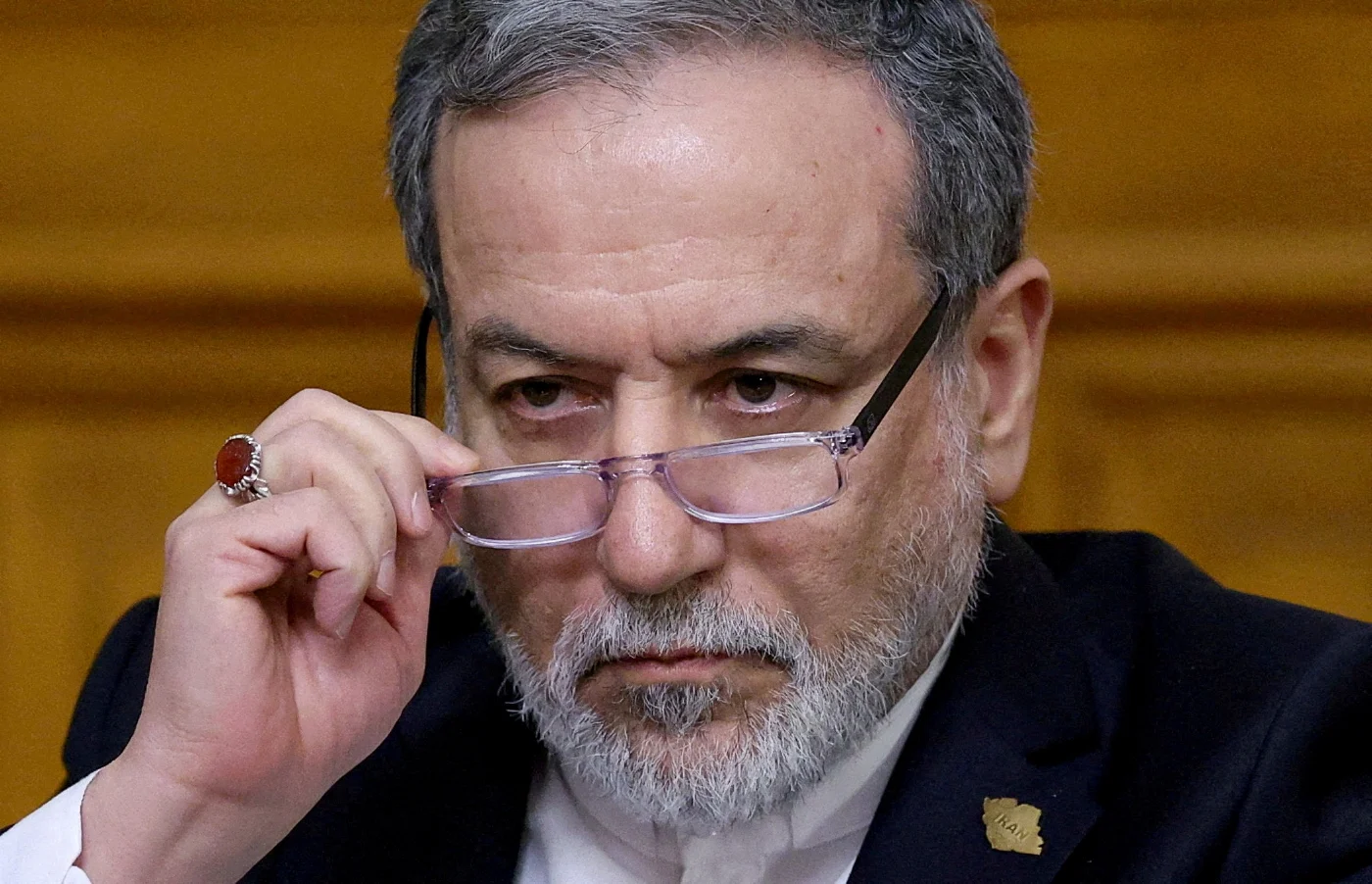
Iranian Foreign Minister Abbas Araqchi stated on Friday that the strategic waterway is “completely open” for commercial shipping for the remainder of the U.S.-brokered 10-day truce between Israel and Lebanon, which began on Thursday.

The announcement comes amid heightened tensions in the Middle East, where the narrow strait — through which nearly 20% of global oil passes — had become a major flashpoint during recent conflicts involving Iran, Israel, the United States, and Hezbollah.
Positive Market Reaction
The news triggered an immediate drop in global oil prices, as traders welcomed the reduced risk of disruption to energy supplies. However, shipping companies remain cautious, with analysts warning that full freedom of passage may still be limited in practice.
U.S. President Donald Trump acknowledged the development on Truth Social, writing: “IRAN HAS JUST ANNOUNCED THAT THE STRAIT OF IRAN IS FULLY OPEN AND READY FOR PASSAGE.” Trump also expressed optimism that a broader deal to end the Iran conflict could be reached “soon,” hinting that talks between the two sides might occur as early as this weekend.
Context of the Lebanon Ceasefire
The reopening of the Strait of Hormuz is closely tied to the fragile 10-day ceasefire in Lebanon, which aims to pause intense fighting between Israeli forces and the Iran-backed Hezbollah movement. The truce, facilitated by the United States, entered its first full day on Friday.
Iran has indicated it will keep the strait open during this ceasefire period but has also warned it could reimpose restrictions if the U.S. maintains its blockade on Iranian ships and ports, or if the truce collapses.
Global Implications
The Strait of Hormuz is a vital chokepoint for oil exports from Iran, Saudi Arabia, Iraq, and other Gulf producers. Any prolonged closure would have sent energy prices soaring and disrupted international supply chains.
French President Emmanuel Macron welcomed the move, calling for further assurances to ensure long-term stability in the region.
This development raises hopes for de-escalation in the wider Middle East conflict, although many observers remain skeptical about the durability of the ceasefire and the prospects for a comprehensive U.S.-Iran agreement, particularly regarding Tehran’s nuclear program.
The situation continues to evolve rapidly, with the current truce set to expire on April 22, 2026.