KUALA LUMPUR,May, 2026 — The ongoing Iran war is beginning to send shockwaves through global manufacturing, as rising energy and raw material costs in China threaten to increase the price of consumer goods worldwide.
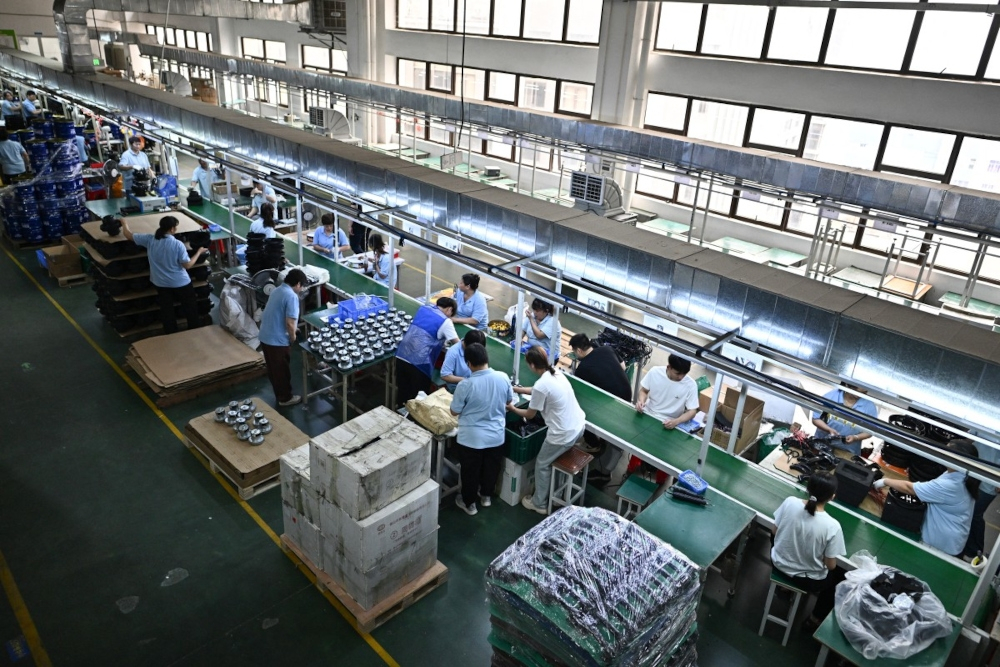
Factories across China—the world’s largest manufacturing hub—are facing rapidly escalating production expenses linked to the Middle East conflict, particularly disruptions affecting oil, petrochemicals, and global shipping routes.

Industry players warn that the impact is already being felt in sectors ranging from household appliances and electronics to clothing, plastics, and medical equipment.
Plastic and Chemical Prices Surge
Manufacturers in China say raw material costs have surged dramatically since the outbreak of the Iran war.
At a factory in Guangdong province, a manager revealed that plastic prices alone have jumped by around 50%, severely squeezing profit margins and forcing companies to reconsider pricing strategies.
The conflict has heavily disrupted the petrochemical industry, which forms the backbone of modern manufacturing. Petrochemicals are used in:
- Plastics
- Synthetic fabrics
- Electronics
- Packaging
- Medical supplies
- Automotive components
Analysts warn that because these materials are found in most finished products, rising costs are likely to spread throughout the global economy.
Iran War Disrupting Global Supply Chains
The crisis has been intensified by instability around the Strait of Hormuz, one of the world’s most important energy shipping routes.
Around 20% of global oil and gas trade normally passes through the strait, meaning disruptions have triggered major supply concerns and sharp increases in energy prices worldwide.
The International Energy Agency has described the situation as one of the most severe energy supply disruptions in modern history.
As oil and chemical prices rise:
- Manufacturing costs increase
- Shipping becomes more expensive
- Supply chains become less stable
This creates a ripple effect that ultimately reaches consumers through higher retail prices.
China Factories Under Pressure
Although China has significant energy reserves and renewable energy capacity, manufacturers are still struggling with:
- Higher oil-linked input costs
- Expensive chemicals and plastics
- Increased transportation expenses
Factory owners say many businesses are already operating with shrinking margins.
Some exporters have started increasing prices on:
- Home appliances
- Textiles
- Medical products
- Plastic-based goods
Data from Chinese manufacturing surveys also show rising input costs across the industrial sector, especially in petroleum and chemical industries.
Global Inflation Risks Rising
Economists warn the situation could lead to a new wave of global inflation.
Investment banks and analysts note that petrochemical price spikes may become a major hidden driver of inflation because chemical products are used in over 95% of manufactured goods worldwide.
Experts believe the consequences may include:
- More expensive electronics
- Rising clothing prices
- Higher household goods costs
- Increased manufacturing expenses globally
Some forecasts suggest inflation in major economies could climb again if energy disruptions continue through the second half of 2026.
Asia Faces Strongest Impact
Asian economies are among the most exposed to the crisis because they rely heavily on Middle Eastern oil and are deeply connected to global manufacturing supply chains.
China, as the world’s largest exporter and industrial producer, plays a central role in determining global goods prices. Any sustained increase in Chinese factory costs could quickly spread internationally.
Countries across Asia are also:
- Increasing energy imports
- Expanding reserves
- Preparing for prolonged market instability
The Iran war is no longer affecting only energy markets—it is increasingly impacting the global manufacturing system itself.
As Chinese factories struggle with soaring costs for plastics, chemicals, and energy, the risk of higher consumer prices worldwide continues to grow, raising fears of another major inflation wave across the global economy.