KUALA LUMPUR,MAY,2026 – Global markets and international leaders are closely monitoring Iran’s response to a new peace proposal presented by the United States in an effort to reduce tensions in the Middle East and stabilize global energy markets. The proposed agreement comes after weeks of military escalation involving the United States, Iran, and regional allies, which had triggered concerns over oil supply disruptions and broader regional instability.
According to reports, the latest diplomatic discussions were mediated by Pakistan, with support from Gulf Arab nations seeking to prevent further escalation in the region. US President Donald Trump stated that negotiations had shown positive progress and suggested that a deal could be reached soon.

Iranian officials confirmed that the proposal is currently “under review” and that Tehran will provide its official response after internal consultations are completed.
Oil Prices Drop as Investors Expect De-Escalation
Financial markets reacted strongly to reports of possible diplomatic progress between Washington and Tehran.
Global oil prices recorded major declines, with Brent crude and West Texas Intermediate both falling below the psychological US$100 level after investors anticipated that tensions around the Strait of Hormuz could ease.
Brent crude reportedly dropped nearly eight percent in a single trading session, while US benchmark crude also posted sharp losses amid optimism that global oil supply routes may soon normalize.
The Strait of Hormuz remains one of the world’s most important shipping routes, carrying nearly one-fifth of global oil and liquefied natural gas exports. Any disruption in the area has major consequences for global energy prices and inflation.
Global Stock Markets Rally on Peace Hopes
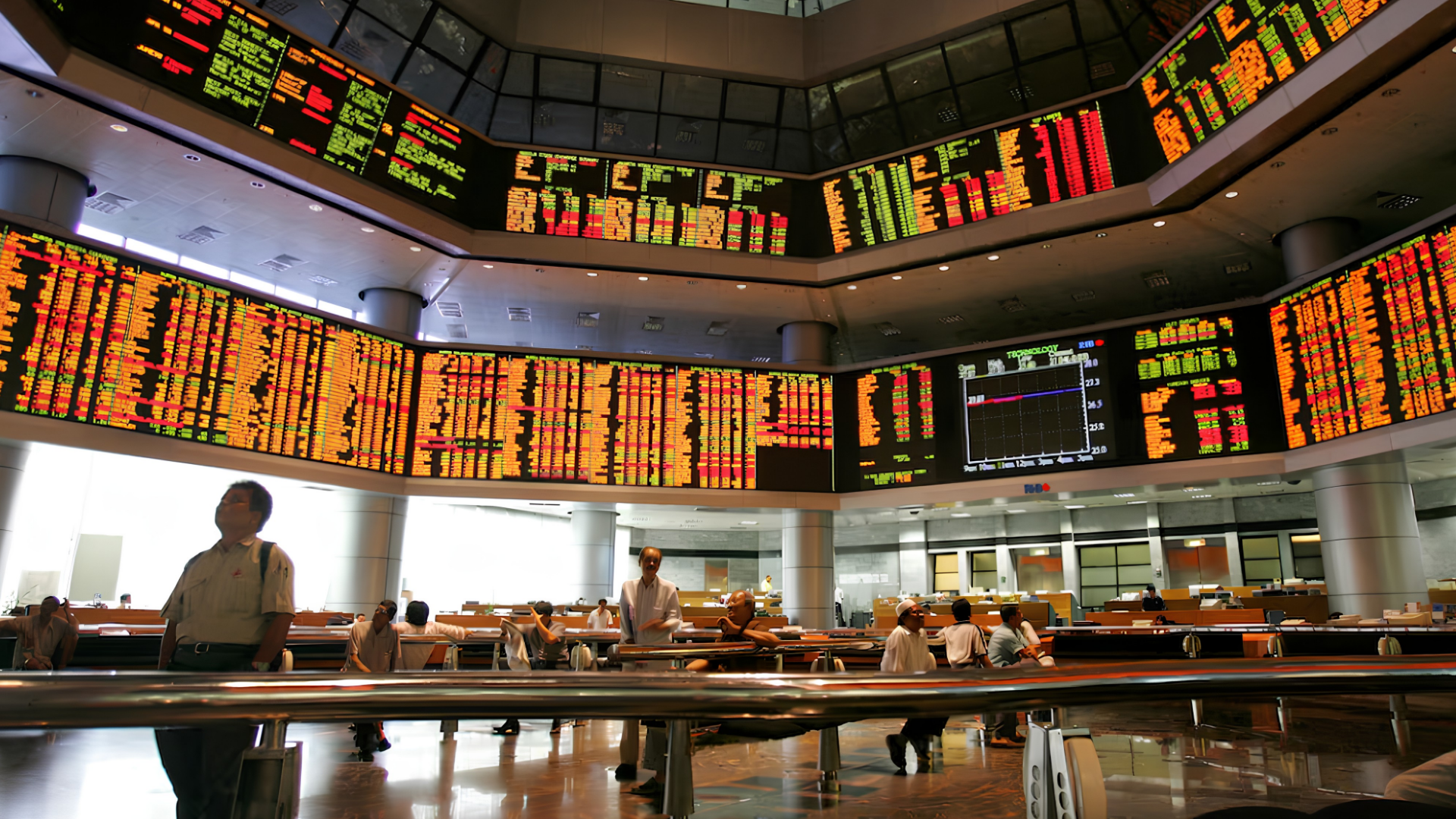
As oil prices fell, stock markets across Asia and Europe moved sharply higher.
Japan’s Nikkei index surged to record highs while major US and European futures also climbed as investors shifted back toward riskier assets following signs of possible de-escalation in the Middle East conflict.
Analysts said investor sentiment improved significantly because markets had been heavily affected by fears of a prolonged regional war that could disrupt global trade, shipping routes, and energy supplies.
Technology and transportation stocks were among the sectors benefiting most from the improved market outlook due to expectations of lower fuel costs and reduced geopolitical uncertainty.
Strait of Hormuz Remains Central to Negotiations
One of the key issues in the negotiations remains the reopening and security of the Strait of Hormuz.
The strategic waterway became a major flashpoint after Iran imposed restrictions and military pressure around the shipping lane following the outbreak of conflict earlier this year.
Shipping disruptions and attacks on commercial vessels caused major concern among global importers, energy companies, and governments dependent on Gulf oil exports.
The United States had briefly launched military escort operations to protect commercial shipping in the area before scaling back operations following renewed diplomatic engagement with Iran.
Analysts believe any successful agreement involving safe passage through the Strait of Hormuz would significantly reduce pressure on global energy markets.
Temporary Agreement May Be the First Step
Reports suggest the proposed agreement may initially focus on a temporary ceasefire and framework for future negotiations rather than a full long-term peace settlement.
According to international media reports, the draft framework could involve:
- Temporary suspension of hostilities
- Reopening of the Strait of Hormuz
- Future negotiations on Iran’s nuclear programme
- Discussions regarding sanctions relief
- Security guarantees for shipping routes
However, major disagreements reportedly remain unresolved, particularly concerning Iran’s nuclear activities and long-term regional security arrangements.
Iran Remains Cautious Over US Proposal
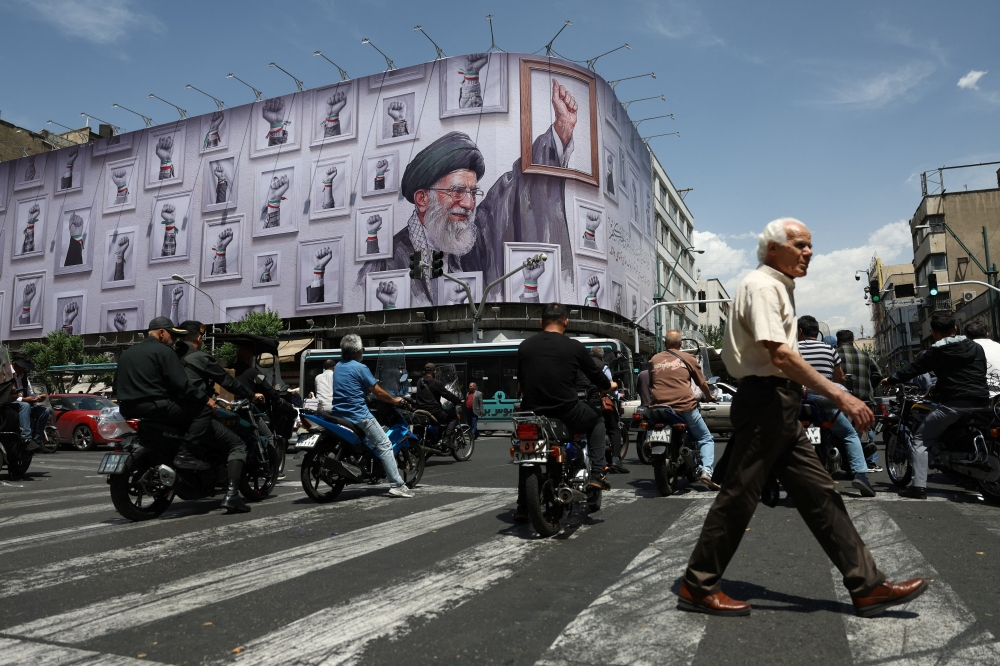
Despite positive market reactions, Iranian officials have maintained a cautious stance regarding the proposal.
Iran’s foreign ministry stated that the proposal is still under detailed review and emphasized that any final decision must align with Iran’s national interests and security priorities.
Political observers believe Tehran remains skeptical over the possibility of long-term guarantees from Washington, particularly after years of sanctions, military confrontations, and failed negotiations.
At the same time, domestic political pressure inside Iran may also influence how quickly leaders respond to the proposal.
Lebanon and Regional Stability Also Affected
The ongoing negotiations could also impact tensions in neighboring countries, especially Lebanon.
Recent Israeli airstrikes targeting Hezbollah positions in southern Beirut have increased fears that the broader conflict could expand further across the Middle East.
Diplomatic efforts are therefore not only focused on US-Iran relations but also on preventing wider regional escalation involving allied armed groups and neighboring states.
Regional powers including Saudi Arabia, Pakistan, and Gulf Arab nations are reportedly playing active roles behind the scenes to encourage a diplomatic settlement.
Global Economy Closely Watching Outcome
Economists warn that the outcome of the negotiations could have major implications for the global economy.
If tensions continue easing, lower oil prices could help reduce inflationary pressure worldwide and stabilize shipping and supply chains that were disrupted during the conflict.
However, analysts also caution that the situation remains fragile and could deteriorate quickly if talks collapse or military activity resumes.
Energy traders, investors, and governments around the world are therefore closely monitoring Tehran’s next move.
For now, global markets remain cautiously optimistic as diplomatic efforts continue between the United States and Iran.
A successful agreement could mark a major turning point for Middle East stability and global energy markets, while failure could reignite military confrontation and renewed economic volatility.
As the world waits for Iran’s official response, uncertainty continues to dominate international politics, oil markets, and investor sentiment.